

The Spirit of a Simple Feast
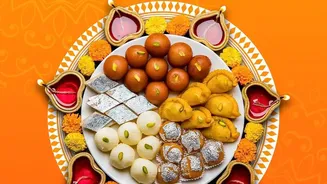
Janmashtami celebrates the birth of Lord Krishna, and food is central to the festivities. The most famous offering is the 'Chappan Bhog', a lavish spread of 56 dishes prepared as a gesture of immense love and gratitude. This tradition commemorates Krishna lifting
the Govardhan Hill for seven days without eating, for which villagers prepared a grand feast. While beautiful, recreating this at home is a monumental task. A simpler, Sattvic (prepared without onion or garlic) meal made with devotion captures the same spirit. Many traditional Prasad items like Makhan Mishri are incredibly simple to prepare, requiring no cooking at all. This guide focuses on a menu that is both manageable and deeply traditional, allowing you to focus on the joy of the festival.
Your Pre-Festival Shopping List
To avoid a last-minute rush, here is a categorized shopping list of essentials you'll need for a simple Janmashtami menu. Getting these items before September 4 will ensure a smooth and stress-free cooking experience. Flours & Grains: Vrat-specific flours are essential. Look for Singhare ka Atta (water chestnut flour), Kuttu ka Atta (buckwheat flour), and Sabudana (tapioca pearls). Also pick up some Poha (flattened rice) and whole wheat or coriander powder for Panjiri. Dairy & Sweeteners: Dairy is the star of Janmashtami cooking. Stock up on full-fat milk, fresh curd (yoghurt), and good quality ghee. For making Krishna's favourite Makhan Mishri, you'll need fresh white butter. For sweetness, get powdered sugar, Mishri (rock sugar), and honey. Spices & Flavourings: Most fasting recipes use a limited spice palette. Ensure you have Sendha Namak (rock salt), cumin seeds, black pepper powder, green cardamom, and fresh green chillies. Tulsi leaves are considered essential for any offering to Krishna. Produce & Nuts: For savoury dishes, you'll need potatoes, tomatoes, lemons, and fresh coriander. A selection of fresh fruits like bananas and coconuts for offerings is also a great idea. Finally, grab a mix of almonds, cashews, and makhana (fox nuts) for sweets and garnishes.
Easy-to-Make Prasad Sweets
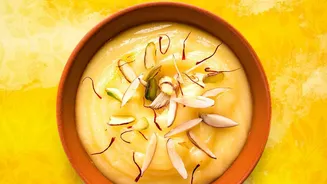
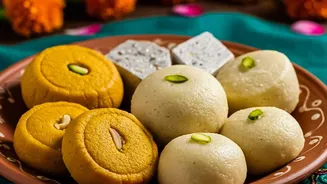
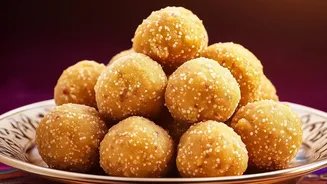
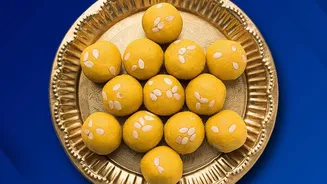
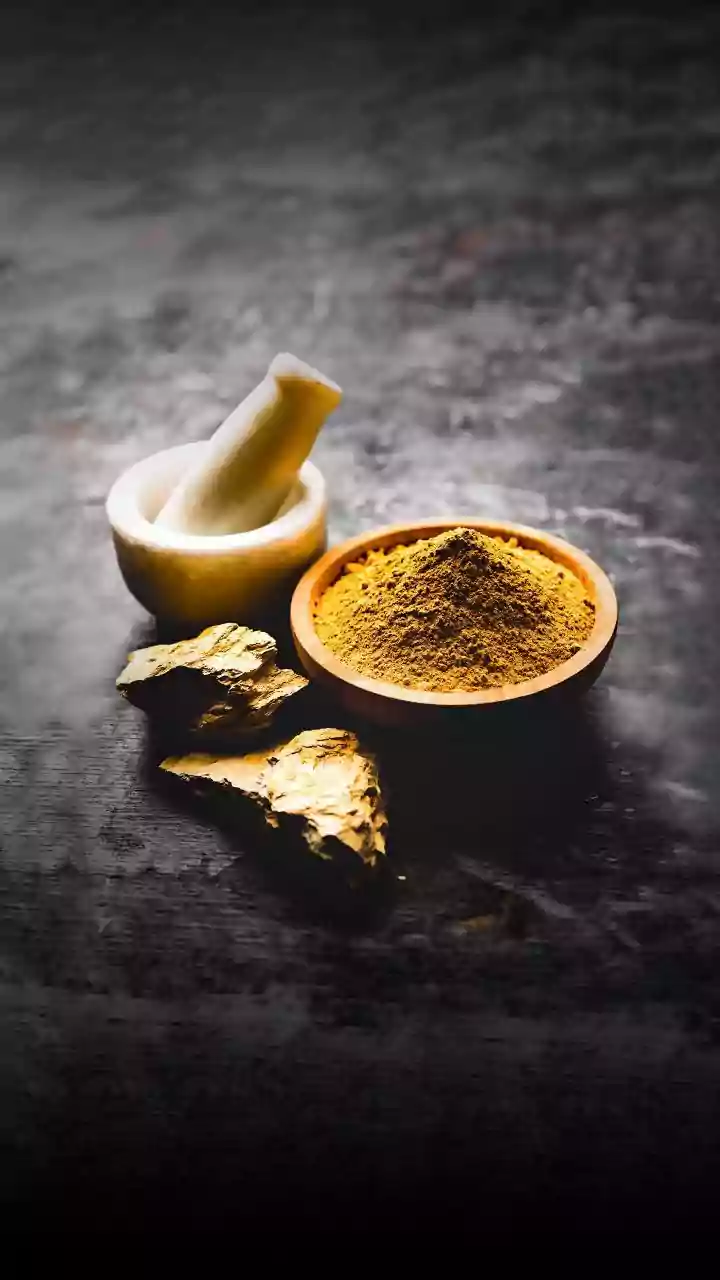
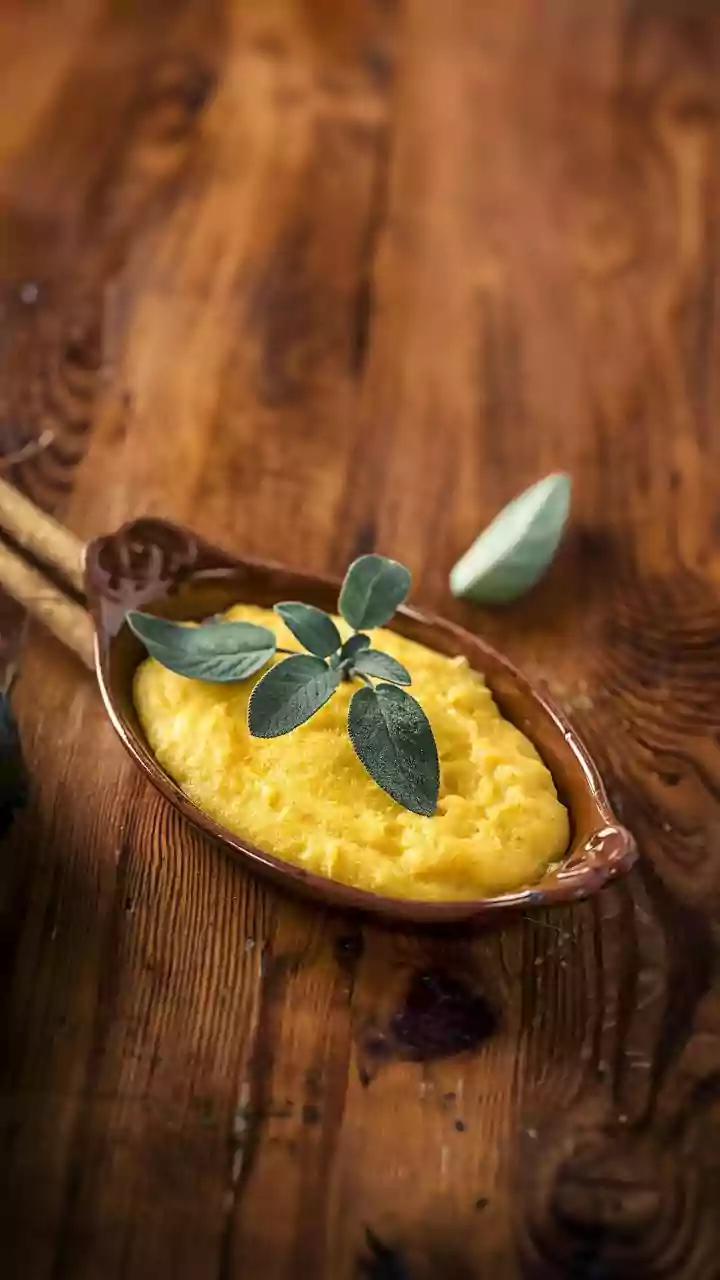
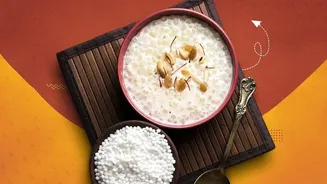
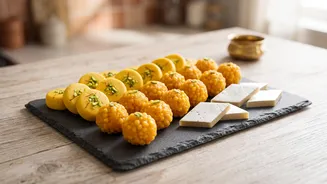
No Janmashtami bhog is complete without sweets. Dhaniya Panjiri is a classic and easy choice. It's made by lightly roasting coriander seed powder in ghee with chopped nuts and mixing it with powdered sugar. Another simple yet divine offering is Makhan Mishri. It’s a no-cook recipe where fresh white butter is gently mixed with crushed rock sugar (mishri). For a creamy dessert, a simple Makhane ki Kheer or Sabudana Kheer is perfect. It involves simmering milk until it thickens slightly and then adding roasted makhana or soaked sabudana, sugar, and cardamom powder. These sweets are not only traditional but can be prepared in under 30 minutes.
Savoury Dishes for Vrat (Fasting)
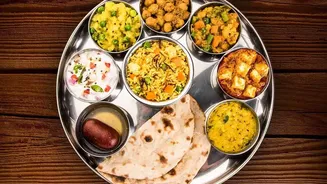
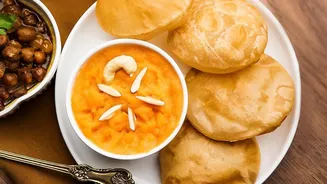
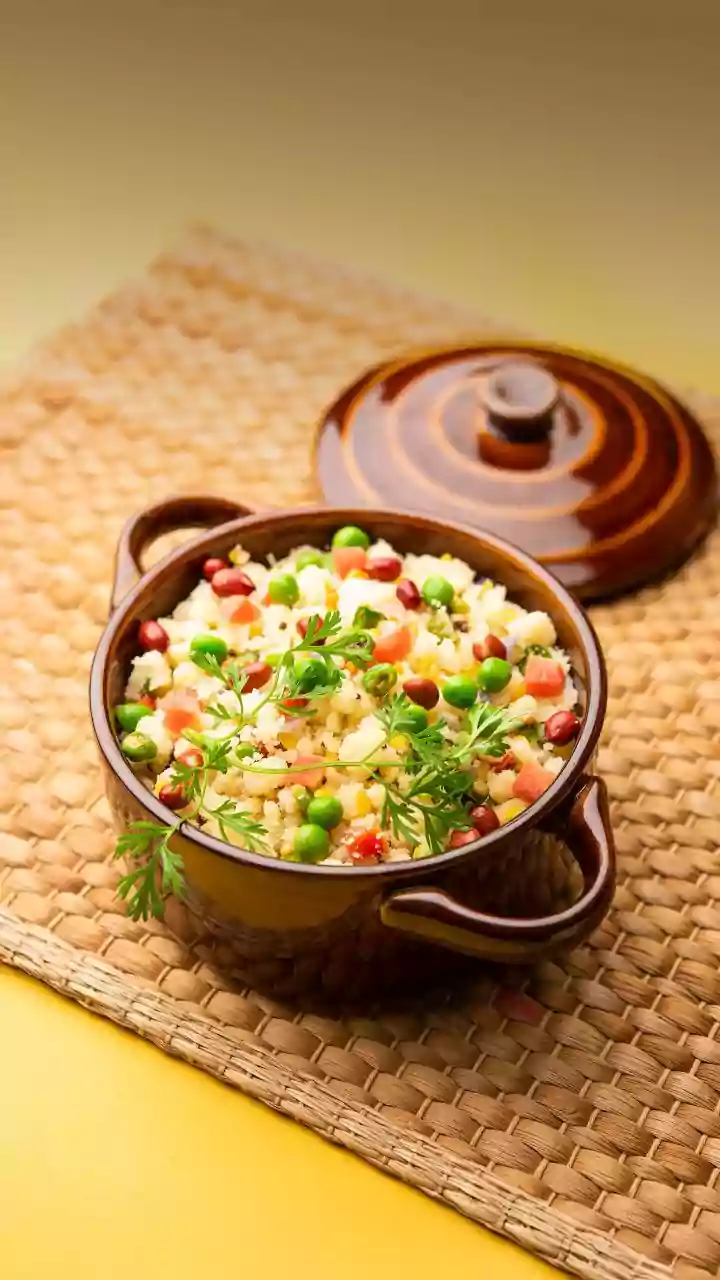
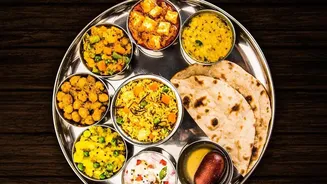
For those observing a fast (vrat), there are plenty of delicious savoury options. Sabudana Khichdi is a popular choice across India. Made with soaked tapioca pearls, boiled potatoes, roasted peanuts, and seasoned with cumin and green chillies, it’s a wholesome and flavourful dish. Another staple is Kuttu ki Puri served with a simple Aloo Tamatar ki Sabzi. The sabzi is a light curry made with boiled potatoes and tomatoes, seasoned with rock salt and black pepper, completely free of onion and garlic. The puris, made from buckwheat flour, are a perfect accompaniment. These dishes provide nourishment while adhering to the customs of fasting.