




The Humble Origins of a Superfood
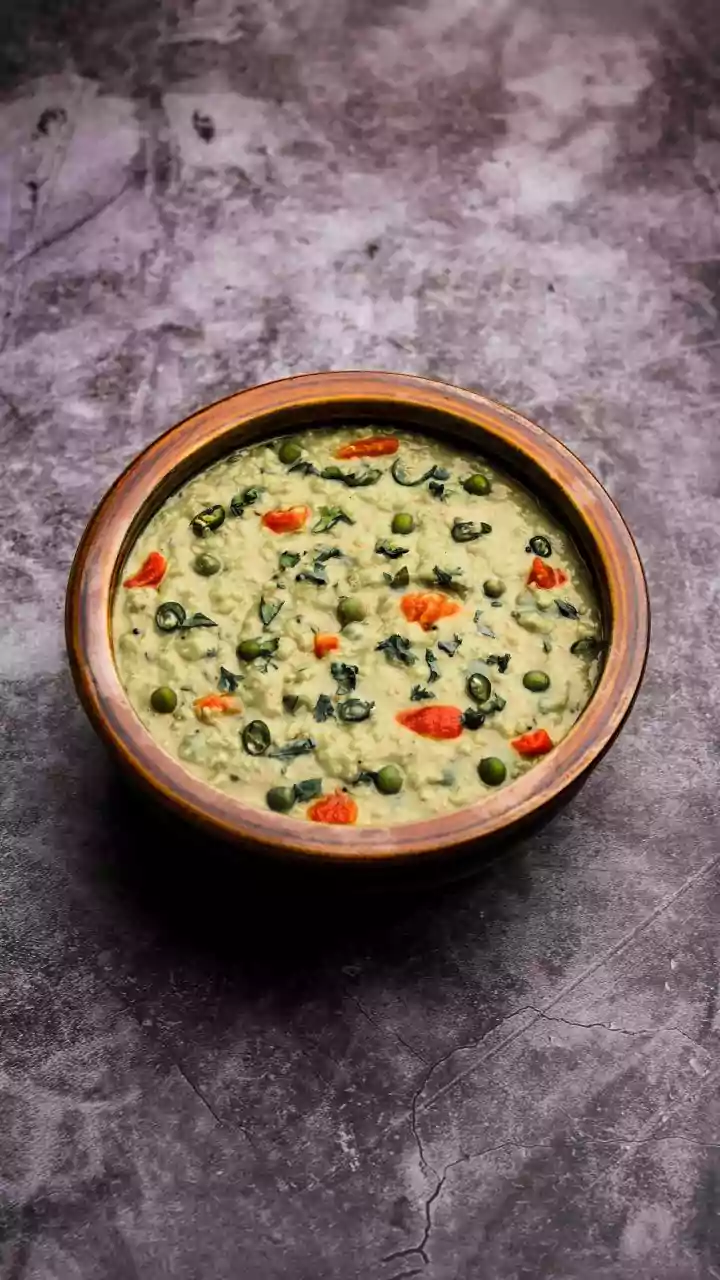
For generations, Ambali was the quintessential farmer's breakfast in states like Karnataka, Andhra Pradesh, and Telangana. Typically made from ragi (finger millet) flour, it’s a simple porridge cooked and then left to ferment, often overnight in an earthen
pot. This fermentation process is key, giving the drink its characteristic mild tang and transforming it into a powerhouse of nutrients. Traditionally served either savoury with buttermilk, salt, and perhaps chopped onion, or sweet with jaggery, it was valued for providing slow-release energy and a natural cooling effect, perfect for a long day of physical labour under the Indian sun.
A Probiotic Powerhouse
The secret to Ambali's resurgence lies in its impressive health credentials, primarily derived from fermentation. This natural process cultivates beneficial bacteria, making Ambali a rich source of probiotics that support gut health, much like yoghurt or kefir. Millets themselves are nutritional champions, packed with calcium, iron, and dietary fibre. Ragi, for instance, has one of the highest calcium contents among all cereals. The fermentation process enhances these benefits by breaking down anti-nutrients like phytic acid, which can otherwise hinder the body's absorption of these essential minerals. Its high fibre content promotes a feeling of fullness, aiding in weight management, and its low glycemic index makes it a suitable option for those monitoring blood sugar levels.
The Modern Cafe Makeover
While the soul of Ambali is ancient, its modern presentation is chic and contemporary. Urban wellness cafes are getting creative, moving beyond the simple porridge. Today, you might find Ambali served as a chilled, savoury smoothie blended with buttermilk, mint, and a pinch of cumin. Another popular adaptation is the fruity Ambali bowl, where the fermented porridge is blended with coconut or almond milk and topped with fresh fruits like bananas and berries, along with nuts and seeds for extra crunch and nutrition. Some cafes are even transforming it into protein shakes by adding dates and protein powder, or using it as a base for a tangy, probiotic-rich salad dressing. This reinvention makes the traditional drink more approachable and exciting for a new generation of health-conscious consumers.
Why Now? The Great Millet Revival
Ambali's comeback is not happening in a vacuum. It's part of a larger 'back to the roots' movement in Indian food and wellness culture. Consumers are increasingly seeking out indigenous, nutrient-dense ingredients and are fascinated by the wisdom of traditional recipes. This trend has been amplified by the global spotlight on millets, celebrated for their climate resilience and health benefits, which has encouraged cafes and chefs to explore these ancient grains. Establishments like Namma Millets Café in Bengaluru and Grami Cafe focus entirely on reviving traditional millet recipes, while others like Café Lota in Delhi are incorporating them into broader regional menus. These cafes are not just selling a drink; they are serving a story of heritage, sustainability, and mindful eating that deeply resonates with modern diners.