





The Rise of the Unplugged Aesthetic
In an era defined by hyper-connectivity, a growing number of young travellers are deliberately choosing to disconnect. This trend, dubbed 'analog travel', prioritises tangible, low-tech experiences over constant digital engagement. It’s not about completely
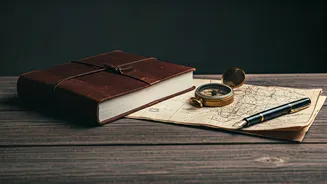
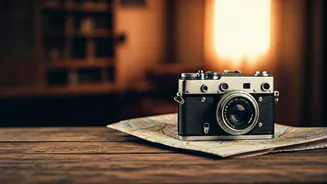
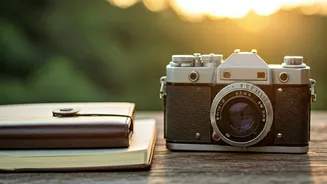
rejecting technology, but rather mindfully minimising its role to foster a deeper connection with the present moment. This movement manifests in various forms: swapping smartphones for disposable film cameras, navigating with paper maps instead of GPS, and documenting experiences in physical journals or on postcards. The goal is to slow down, reduce screen time, and escape the relentless cycle of notifications and social media updates that can often dominate daily life and holidays.
Driven by Digital Fatigue and Nostalgia
The pull towards analog is fuelled by two key factors: digital burnout and a powerful sense of nostalgia. Many young adults report that their online habits negatively impact their well-being, leading them to seek holidays that offer a complete break from their devices. The quest for a 'digital detox' has become a significant travel motivator, with many travellers intentionally choosing destinations with limited connectivity to force a disconnect. Beyond simply unplugging, there's a strong nostalgic element. Gen Z and Millennials are increasingly drawn to activities and aesthetics from a pre-digital era they either vaguely remember or never experienced firsthand. Disposable cameras, with their grainy, imperfect, and dreamlike quality, offer a welcome antidote to the pressure of capturing the 'perfect' smartphone shot. This embrace of older tech is less about the technology itself and more about recapturing a feeling of authenticity and slowing down the process of memory-making.
The Paradox of Performing Analog
There's a fascinating irony at the heart of the analog travel trend: the 'authentic' offline moments are often curated specifically for online consumption. The grainy film photo, the artfully messy journal page, the stack of postcards—they frequently end up meticulously styled and shared on platforms like Instagram and TikTok. This raises the question of whether it's truly a detox if the ultimate goal is to generate content. For many, it seems the answer is complex. The trend isn't necessarily about abandoning social media, but about changing the type of content shared. Instead of polished perfection, the aesthetic values authenticity, imperfection, and a sense of 'realness'. By using analog tools, young travellers are creating a new visual language that signals a different set of priorities: being present in the moment, even if that moment is shared later.
Embracing the Analog Experience
For those inspired to dip their toes into analog travel, the entry points are simple and accessible. It can start with buying a disposable or a basic film camera, which has seen a remarkable resurgence in popularity. The delayed gratification of waiting for film to be developed is part of the appeal, forcing a more intentional approach to photography. Another popular method is keeping a travel journal. This can be a simple notebook for jotting down daily thoughts, or a more creative scrapbook combining tickets, receipts, and pressed flowers. Postcard journaling is also gaining traction; travellers buy a postcard each day to represent their experience and write a short memory on the back, creating a lightweight and visual diary of their trip. The key is to replace scrolling time with activities that are tactile and reflective, fostering a sense of connection to the physical world.