






The Allure of Absolute Certainty
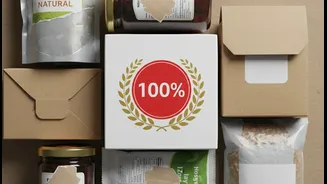
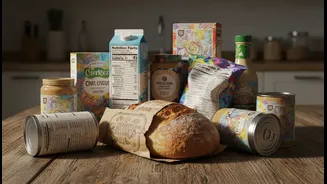
In a crowded supermarket aisle, the “100%” label cuts through the noise. Whether it's “100% Juice,” “100% Whole Wheat,” or “100% Natural,” the claim offers a sense of absolute certainty. Marketers know this. It suggests the product is unadulterated, superior,
and simple. For health-conscious or time-pressed shoppers, it’s a convenient shortcut to making a good choice. However, what this label legally means and what consumers perceive it to mean can be two very different things. Recently, India's food safety authority, FSSAI, has even cautioned food businesses against using “100%” claims, noting they can be ambiguous and mislead consumers by creating a false impression of absolute purity.
'100% Juice'
A carton labelled “100% Orange Juice” seems simple enough. Legally, it means that all the liquid in the container comes from a fruit or vegetable. But this doesn't mean it's just freshly squeezed oranges. To save costs, many brands mix expensive juices with cheaper ones, like apple or white grape juice. The product is still technically 100% juice, just not 100% of the fruit featured on the packaging. Furthermore, much of the juice sold year-round is made from concentrate. This involves squeezing the fruit, removing the water to create a syrup for easy storage, and then rehydrating it months later. This process often involves pasteurisation and oxygen removal, which can strip away natural flavours and aromas. To compensate, companies add back flavour packs, which are derived from oranges but are technically engineered. The final product is still legally “100% juice,” but it's a far cry from a freshly squeezed glass.
Decoding '100% Whole Wheat'
When buying bread, the term “100% Whole Wheat” is a gold standard for many. It signifies that the product is made using the entire wheat kernel—bran, germ, and endosperm—retaining all its natural fibre and nutrients. However, shoppers need to be vigilant. A label that simply says “wheat bread” or even “100% wheat” is not the same thing. These products are often made with refined wheat flour, which has had the bran and germ removed, stripping it of much of its nutritional value. Similarly, a “multi-grain” label just means it contains more than one type of grain; those grains could still be refined. To ensure you’re getting the health benefits, the label must explicitly state “100% whole wheat” or “100% whole grain.”
The Vague Promise of '100% Natural'
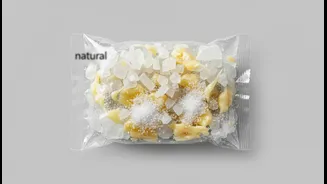
“Natural” is one of the most powerful and loosely defined terms in food marketing. Unlike “organic,” which has a strict certification process, the definition of “natural” can be murky. Generally, regulatory bodies suggest it means a product contains no artificial or synthetic ingredients. However, this doesn't account for processing methods or nutritional value. A product high in sugar, salt, or unhealthy fats can still be labelled “100% Natural.” This ambiguity has led to its overuse on everything from fruit snacks to cooking oils, giving a halo of health to products that may not deserve it. The lack of a universal standard means the claim's integrity depends heavily on the manufacturer, forcing consumers to look past the front of the box and scrutinise the ingredient list.
Becoming a Label Detective
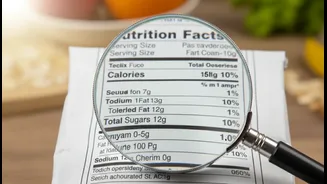
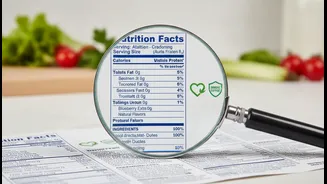
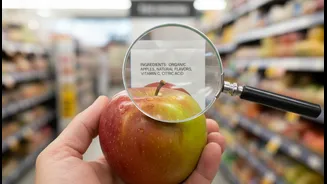
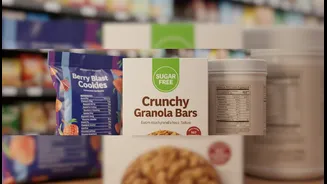
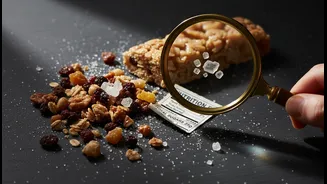
The “100%” label isn't always a deliberate attempt to deceive. Often, it's a technically true statement that relies on consumers not digging into the details. The key to navigating this is to treat the front of the package as an advertisement and the back as the source of truth. The ingredients list is your best friend. It reveals if that “100% Pomegranate Juice” is mostly apple juice, or if that “100% wheat” bread is made from refined flour. The nutrition panel provides the real story on sugar, sodium, and fibre content, which are often more important than a broad marketing claim. By shifting your focus from the bold print on the front to the fine print on the back, you move from being a passive consumer to an informed one.