

The Soul of the Pandal Feast
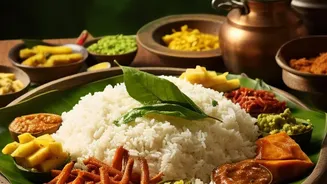
During Durga Puja, the community feast, or bhog, is an act of devotion and togetherness. Offered first to the Goddess and then distributed among devotees, this meal is traditionally 'niramish', meaning pure vegetarian and cooked without onions or garlic.
This adherence to sattvic principles ensures the food is considered pure enough for a divine offering. The bhog serves as a great equaliser, with people from all walks of life queuing up to receive the blessed food, often served on simple leaf plates. It nourishes the body and soul, reinforcing a sense of community and shared faith that is central to the festival's spirit.
Khichuri: The Sacred Centrepiece
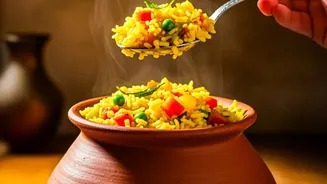
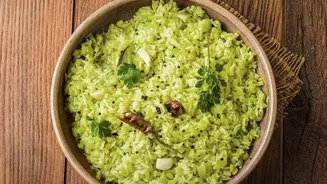
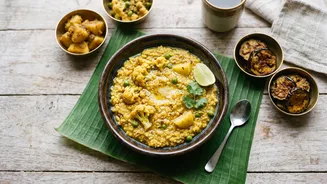
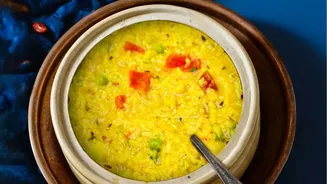
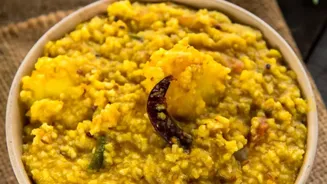
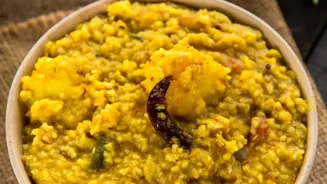
At the heart of every bhog plate is khichuri. This isn't just any rice and lentil dish; bhoger khichuri is a culinary emblem of devotion. Made with fragrant Gobindobhog rice and roasted moong dal, it is cooked with ghee and mild spices to create a wholesome, comforting, and spiritually nourishing meal. Its simplicity reflects purity, making it a suitable offering for the divine. Some traditions even link the dish to medieval lore, where it's mentioned that Goddess Durga cooked khichuri for Mahadev. The act of preparing khichuri in vast quantities for pandal-goers also makes it a symbol of unity and collective celebration, a dish that breaks down social barriers.
Labra: A Medley of Togetherness
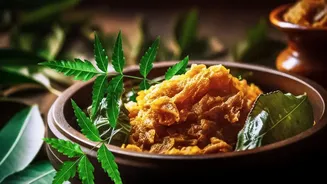
Labra is the indispensable companion to khichuri. This unique mixed vegetable dish is a beautiful metaphor for harmony in diversity. An assortment of seasonal vegetables—like pumpkin, sweet potato, raw banana, and brinjal—are cooked together until they are soft and their individual flavours meld into a cohesive, delicious whole. Spiced with the traditional Bengali five-spice mix known as 'panch phoron', labra represents unity and balance. Just as various vegetables contribute their distinct tastes to the final dish, devotees from different backgrounds come together to form one strong, celebratory community. Offering labra is also an expression of gratitude for nature's abundance and the season's harvest.
Tomato Chutney: The Sweet Conclusion
No bhog thali is complete without the sweet and tangy punctuation of tomato chutney. Far more than a simple condiment, this relish acts as a palate cleanser and provides a delightful contrast to the savoury khichuri and labra. Often enriched with dates and dried mango leather (aamshotto), the chutney represents the sweeter side of life and the joyful conclusion of a sacred meal. It balances the entire flavour profile of the bhog, leaving a lingering taste of festivity. This final touch elevates the meal from a simple platter to a complete sensory experience that devotees cherish and look forward to all year.
More Than a Meal: An Emotion
Ultimately, the combination of khichuri, labra, and tomato chutney is not just about taste; it’s about tradition, memory, and emotion. For many Bengalis, the flavour of bhog is intertwined with childhood memories of pandal hopping and sharing a meal with family and friends. The entire process, from sourcing the best ingredients to the community effort of cooking and serving, is an act of love and devotion. This sacred meal, infused with the blessings of Maa Durga, represents the core tenets of the festival: purity, gratitude, unity, and the boundless joy of homecoming.