






The Theme: Self and Society
Each year, International Yoga Day (June 21st) unites millions under a single theme. This year, "Yoga for Self and Society" highlights a powerful truth: our ability to contribute to the world around us begins with our own inner well-being. When we are
healthy, balanced, and at peace, we have more to offer our families, communities, and society at large. A central pillar of this personal wellness is physical health, and no part of our body is more fundamental to our movement and vitality than our spine. By prioritising spinal flexibility and strength, we aren't just doing an exercise; we are building a stronger foundation for our entire life.
Why Your Spine Matters So Much
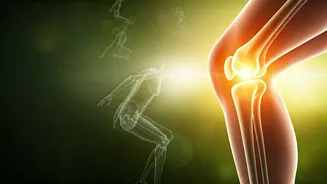
Think of your spine as the central highway of your body. It protects the spinal cord, the main pathway for messages between your brain and the rest of your body. It provides structural support and allows for fluid movement. However, modern life, with its long hours spent sitting at desks, staring down at screens, and leading a largely sedentary lifestyle, puts immense strain on this vital structure. Poor posture, stiffness, and chronic back pain have become modern epidemics. A flexible, strong spine, on the other hand, improves posture, reduces pain, boosts energy levels, and supports a healthy nervous system. It's the key to moving with ease and staying active well into old age.
Four Essential Asanas for Spinal Health
Incorporating a few targeted yoga poses into your daily routine can make a world of difference for your back. These asanas are designed to create space between the vertebrae, increase flexibility, and build supporting muscle strength. Remember to move slowly, listen to your body, and breathe deeply through each posture. Consistency, even just 10-15 minutes a day, is more important than intensity.
1. Cat-Cow Pose (Marjaryasana-Bitilasana)
This is a perfect warm-up for the spine. Start on your hands and knees in a tabletop position. As you inhale (Cow Pose), drop your belly towards the mat, lift your chest and tailbone, and look forward. As you exhale (Cat Pose), round your spine towards the ceiling, tucking your chin to your chest and pressing the mat away. This gentle, flowing movement warms up the entire spinal column, relieves tension, and syncs your breath with your movement, preparing your body for deeper poses.
2. Cobra Pose (Bhujangasana)
A gentle backbend, Cobra Pose helps strengthen the spinal erector muscles and opens up the chest and shoulders, counteracting the slouching posture many of us adopt. Lie on your stomach with your palms flat on the floor under your shoulders. Press the tops of your feet into the mat. As you inhale, gently lift your head, chest, and shoulders off the floor, using your back muscles more than your arm strength. Keep your hips on the ground. Hold for a few breaths before releasing back down.
3. Downward-Facing Dog (Adho Mukha Svanasana)
This iconic yoga pose is a full-body stretch that does wonders for decompressing the spine. From your hands and knees, tuck your toes and lift your hips up and back, forming an inverted 'V' shape. Keep your head between your upper arms and press your palms firmly into the mat. You can 'pedal' your feet by bending one knee at a time to gently stretch your hamstrings, which are often tight and contribute to lower back pain. This pose lengthens the entire spine, from the tailbone to the neck.
4. Supine Spinal Twist (Supta Matsyendrasana)
Twists are essential for maintaining the spine's rotational mobility and releasing deep-seated tension. Lie on your back and draw your knees into your chest. Extend your arms out to the sides in a 'T' shape. As you exhale, gently drop both knees over to your right side, keeping both shoulders grounded on the mat. Turn your gaze to the left. Hold for several deep breaths, feeling the gentle stretch along your side body and spine. Inhale to return to the centre and repeat on the other side.