




From Government Monopoly to Private Boom
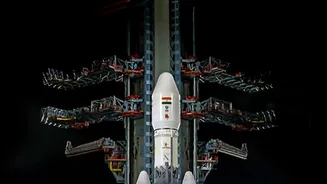
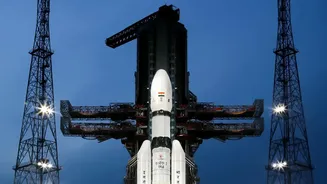
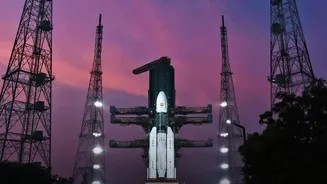
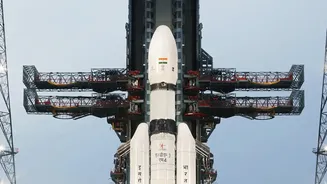
For decades, a career in India's space sector meant one thing: securing a coveted position at the Indian Space Research Organisation (ISRO). ISRO was the primary designer, manufacturer, and operator of the nation's space assets. But a major policy shift
has opened the floodgates. The establishment of IN-SPACe in 2020 as a single-window agency to promote and authorise private space activities has ignited a startup boom. Today, over 400 private space companies are active in India, developing everything from launch vehicles to satellite constellations. This transition from a state-led to a market-driven ecosystem means the nature of work is changing. While ISRO remains a prestigious employer, private firms like Skyroot Aerospace and Agnikul Cosmos are now major recruiters, creating a dynamic new job market.
The Software-Defined Satellite
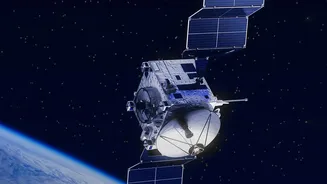
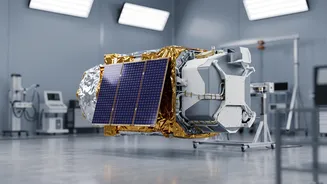
Traditional aerospace engineering focuses on the physical laws of flight: aerodynamics, propulsion, and structural mechanics. While these skills remain essential, today's spacecraft are as much about software and data as they are about hardware. The new demand is for engineers who can write code for autonomous systems, which are critical for everything from flight control and in-orbit collision avoidance to robotic operations. ISRO itself is increasingly leveraging Artificial Intelligence (AI) and Machine Learning (ML) for spacecraft operations, big data analytics, and space robotics, as seen in missions like Chandrayaan and the upcoming Gaganyaan humanoid, Vyommitra. Private companies, which need to operate efficiently and often with smaller teams, are heavily reliant on automation, creating a surge in demand for engineers skilled in AI, robotics, and embedded systems.
Data Is the New Rocket Fuel
Launching a satellite is just the first step. The real commercial value often lies in the data it collects and the services it enables. This has created an entirely new vertical of 'downstream' applications. Companies like Pixxel are building constellations for hyperspectral imaging, providing AI-powered analytics to clients in agriculture, energy, and climate research. This shift means the industry needs more than just rocket scientists; it needs data scientists, GIS analysts, and remote sensing experts who can turn raw satellite imagery into actionable intelligence for various sectors. The ability to work with large datasets, apply machine learning models, and understand end-user applications in fields like finance or disaster management is becoming a core competency.
The Rise of Advanced Manufacturing
Private space companies are driven by a need for speed and cost-efficiency, which is fuelling innovation in manufacturing. Startups like Agnikul Cosmos, for example, are using 3D printing to manufacture complex, single-piece rocket engines. This push towards additive manufacturing and the use of advanced lightweight materials like composites requires a new set of skills. Engineers with expertise in materials science, robotics-driven manufacturing, and digital twin simulations are highly sought after. These technologies are key to building cheaper, lighter, and more reliable hardware, allowing Indian companies to compete in the global launch market.
Thinking Like a Business
In the government-led model, the primary focus was on mission success and scientific achievement. In the new commercial space economy, viability and profitability are equally important. This commercial pressure introduces the need for a range of non-technical skills. Private companies require professionals who understand project management, finance, business development, and even space law and policy. An engineer who can not only design a component but also understand its supply chain, market fit, and regulatory hurdles is incredibly valuable. As the sector grows, there is an expanding need for people who can bridge the gap between technology and commerce, helping to build sustainable businesses, not just successful missions.