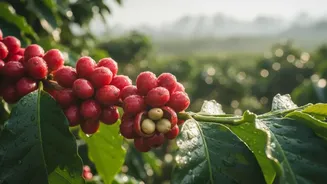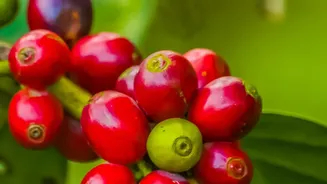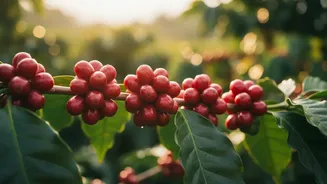





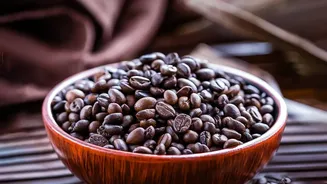


First, What is Single-Origin Coffee?
Before diving into specific places, it’s helpful to understand the main term. "Single-origin" simply means the coffee beans come from one specific, traceable place—a single farm, a small cooperative, or a particular region. Unlike a blend, which mixes
beans from different places to create a consistent, reliable flavour, a single-origin coffee is all about showcasing the unique character of its home. Think of it like wine; the soil, altitude, climate, and processing methods (the terroir) all leave a distinct signature on the final taste in your cup. By focusing on a single origin, cafes are choosing to celebrate this uniqueness, offering customers a taste of a specific place.
Chikmagalur: The Classic Cup
Chikmagalur in Karnataka is often called the birthplace of Indian coffee. Legend says the saint Baba Budan planted the first seven coffee seeds here in the 17th century. This long history has resulted in well-established estates that produce what many consider a classic Indian Arabica profile. These coffees are typically grown under the shade of fig and silver oak trees, often alongside spices like pepper and cardamom. The high altitude and rich volcanic soil contribute to a bean that is mild, aromatic, and well-balanced. When you sip a coffee from Chikmagalur, you can expect smooth, gentle acidity with flavour notes of chocolate, nuts, and sometimes hints of citrus or berries. It’s an approachable, versatile coffee that works well in almost any brew method, making it a reliable and high-quality choice for cafes.
Coorg: Bold, Aromatic, and Spice-Tinged
Also in Karnataka, Coorg (or Kodagu) is the state's largest coffee-producing district. While it neighbours Chikmagalur, its coffee has a distinct personality. Coorg coffee is known for being bolder and more full-bodied. The defining characteristic often comes from being grown alongside spices like pepper and cardamom, which can impart subtle spicy notes into the final cup. An Arabica from Coorg is typically chocolate-forward, nutty, and has a lower acidity, making it exceptionally well-suited for espresso and milk-based drinks like cappuccinos and lattes. Its robust flavour profile stands up to milk without getting lost, offering a comforting, rich, and aromatic experience that has become the backbone of many traditional South Indian filter coffees as well as modern cafe menus.
Araku Valley: A Story of Empowerment and Fruit-Forward Flavours
Araku Valley, located in the Eastern Ghats of Andhra Pradesh, offers a completely different story and flavour. Coffee cultivation was introduced here in the 1950s as a way to provide a sustainable livelihood for local tribal communities. Today, the coffee is grown organically by Adivasi farmers, without chemical pesticides and under the shade of mango and jackfruit trees. This unique terroir, with its iron-rich soil and high altitude, produces a coffee that is worlds away from the classic nutty profiles of Karnataka. Araku coffee is celebrated for its bright, clean, and often fruity or floral notes. It has won international awards and gained global recognition for its quality and unique taste, often described as having hints of stone fruit, bright acidity, and a jaggery-like sweetness.
Why Cafes Champion These Beans
For a specialty cafe, highlighting these single-origin beans is about more than just flavour. It’s about transparency and storytelling. By naming the region, cafes connect customers to the farmers and the land, moving coffee from a simple commodity to a craft product with a narrative. It gives baristas a story to tell about the bright, organic beans from the tribal communities in Araku, the classic, balanced cup from the historic estates of Chikmagalur, or the bold, spicy notes from the forests of Coorg. This focus on origin allows customers to explore the diverse landscape of Indian coffee, turning a simple caffeine fix into an experience of discovery and appreciation for local agriculture.