





The Allure of the Forbidden
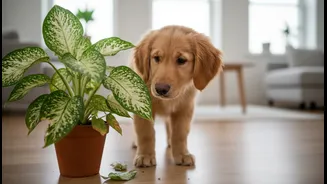
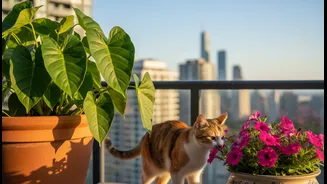
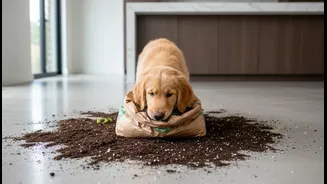
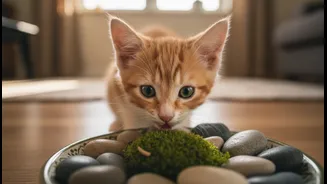
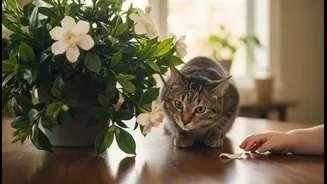
To a curious dog or cat, a pot filled with intriguing little objects is an open invitation to explore. Pets, especially puppies and kittens, learn about the world with their mouths. The texture of smooth pebbles or the earthy scent of decorative moss
can be irresistible. While their interest might seem playful, chewing and swallowing these non-food items—a behavior known as pica—can lead to significant health problems. What starts as idle curiosity can quickly turn into a veterinary emergency.
The Risks: Choking, Blockages, and Toxins
The most immediate danger of a pet swallowing a pebble is choking. However, even if they swallow it successfully, the trouble may have just begun. Small stones can accumulate in the digestive system or cause a gastrointestinal blockage, a life-threatening condition that often requires emergency surgery. Symptoms of an obstruction include repeated vomiting, loss of appetite, lethargy, and abdominal pain. Moss presents a different, yet equally concerning, set of risks. While many preserved decorative mosses are considered non-toxic, they are not intended to be eaten. Ingesting them can lead to digestive upset, but the larger concern is a potential blockage if a significant amount is consumed. Furthermore, some live moss varieties, like Rock Moss, are toxic and can cause serious issues, including kidney failure in dogs. Dyes and preservatives used in some decorative products could also cause an adverse reaction.
Recognizing the Warning Signs
If you suspect your pet has ingested decorative pebbles or moss, it's crucial to monitor them closely and act fast. Be on the lookout for any of the following signs: repeated vomiting or retching, diarrhea or inability to pass stool, loss of appetite, lethargy or unusual weakness, and signs of abdominal pain or bloating. With cats, specifically watch for hiding, drooling, or pawing at the mouth, especially if they may have ingested stringy moss. If you witness your pet swallow an object or if they exhibit any of these symptoms, you should seek veterinary care immediately.
Pet-Safe Alternatives for Plant Decor
The good news is you don't have to sacrifice style for safety. There are plenty of attractive and pet-friendly ways to top-dress your potted plants. One of the simplest solutions is to use rocks that are too large for your pet to swallow. You could also use a coconut coir mat, which is a natural, compostable fiber that effectively covers the soil. For a more decorative touch, large, rough-textured pinecones can be an effective deterrent. Some pet owners also find success with citrus. Most pets dislike the smell, so scattering a few slices of lemon or orange on the soil or using a pet-safe citrus spray can keep them away. Another option is to leave the soil bare, ensuring you are using a pet-safe organic potting mix without chemical fertilizers.
Creating a Safer Home Environment
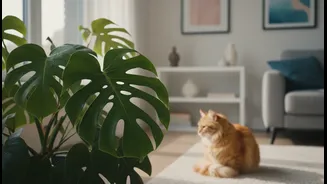
Beyond just your plant pots, take a moment to scan your home from your pet's perspective. Place any small, tempting decorations out of reach on higher shelves. For particularly persistent pets, you may need to use physical barriers like pet gates to restrict access to certain areas when they are unsupervised. Providing plenty of appropriate chew toys and engaging in regular playtime can also help reduce boredom-driven chewing. By redirecting their natural instincts towards safe outlets, you can protect both your pet and your belongings.