







The Tyranny of the Unplanned Trip
Think about your last grocery run. Was it a surgical strike or a chaotic scramble? For many of us, it’s the latter. We go in for milk and bread and come out with imported biscuits, three kinds of instant noodles we don't need, and a vague sense of dread
about the credit card statement. This isn’t a personal failing; it’s a predictable outcome of shopping without a plan. Supermarkets are designed to encourage impulse buys, with tempting displays and 'special offers' on items that weren't on your radar. An unplanned shopping trip isn't just inefficient; it's a drain on your time, money, and mental energy, setting a stressful tone for the week's meals before you’ve even started cooking.
Your New Financial Superpower
The most immediate change you’ll notice from a well-crafted grocery list is in your wallet. When you plan your meals for the week, you know exactly what you need. This simple act of foresight eliminates the guesswork that leads to overspending. You buy ingredients for specific dishes, not just random vegetables that might wilt in the back of the fridge. A list empowers you to bypass the siren call of the snack aisle and the freezer section filled with expensive, ready-to-eat meals. Over a month, saving ₹500 or ₹1,000 per trip by sticking to a list can add up to significant savings, freeing up money for goals that matter far more than that extra packet of chips.
A Recipe for Better Health
A grocery list is one of the most underrated health tools you can possess. When you plan to cook, you inherently plan to eat better. Your list will be dominated by whole foods: fresh produce, lean proteins, dals, and whole grains. You'll have the ingredients on hand to make a nourishing meal, drastically reducing the temptation to order a greasy takeaway after a long day. This shift from processed, packaged foods to home-cooked meals has a profound impact. You control the amount of oil, salt, and sugar in your food. This isn't about restrictive dieting; it's about empowerment. You are consciously choosing to fuel your body with wholesome ingredients, leading to better energy levels, improved digestion, and long-term well-being.
Curbing Your Kitchen's Carbon Footprint
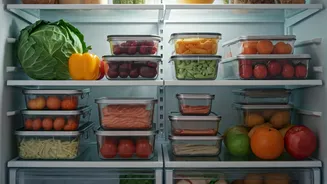
Food waste is a silent crisis in many households. We buy fresh cilantro with the best intentions, only to find it liquefied in a forgotten corner of the refrigerator a week later. A planned grocery list is a powerful weapon against this waste. By purchasing only what you need for the week's meals, you ensure that almost everything you bring home gets used. This is not only good for your budget but also for the planet. Reducing food waste minimizes the carbon footprint associated with producing, transporting, and disposing of that food. Your small, intentional act of planning contributes to a more sustainable lifestyle, proving that eco-consciousness begins right in your own kitchen.
How to Build Your Game-Changing List
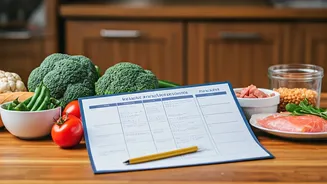
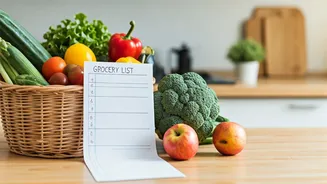
Ready to make the change? It's simpler than you think. Start by taking stock of what you already have in your pantry, fridge, and freezer. Next, sketch out a rough meal plan for the week—it doesn't have to be fancy. Think about breakfast, lunch, and dinner. Based on that plan, write down every single ingredient you need. For maximum efficiency, group items by category as they appear in the store (e.g., fresh produce, dairy, grains, spices). This saves you from doubling back. Finally, the hardest part: stick to the list. Allow for one or two flexible items if you see a great deal on a seasonal vegetable, but train yourself to see the list as your definitive guide, not a vague suggestion.