





The Engine of Instant Delivery
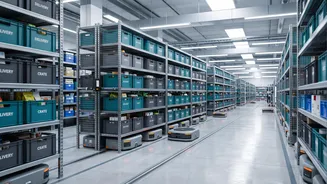
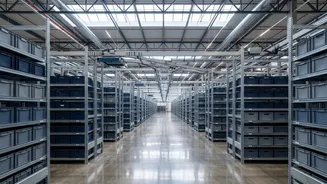
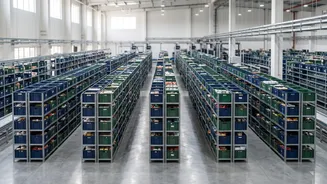
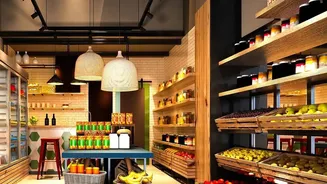
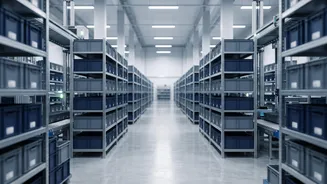
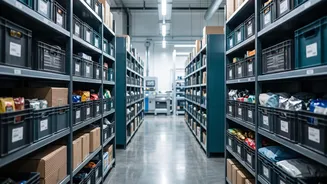
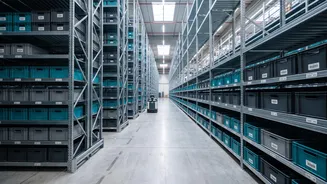
At the heart of the quick-commerce revolution is the 'dark store'. These are not shops you can walk into; they are small, strategically located warehouses exclusively for fulfilling online orders. Ranging from 2,000 to 5,000 square feet, they are packed
with high-demand items and optimised for one thing: speed. Inside, the layout resembles a supermarket, but every shelf and product is placed to ensure an order can be picked and packed in under two minutes. Companies like Blinkit, Zepto, and Swiggy Instamart use sophisticated data analytics to predict what a neighbourhood will want, stocking everything from bread and eggs on a Saturday morning to energy drinks during exam week near a college. This hyperlocal model, with warehouses embedded deep within residential areas, is the only way to make the 10-minute delivery promise a reality.
Bengaluru: The Dark Store Capital
Bengaluru has emerged as the undisputed epicentre of India's quick-commerce boom. The city is home to over 629 dark stores, more than any other metro and accounting for over 11% of the national total. This intense concentration is driven by a tech-savvy population with high purchasing power and a culture that values convenience. The city's top players—Blinkit with 165 stores, Zepto with 159, and Swiggy Instamart with 116—are in a fierce battle for pincodes. This has led to a real estate frenzy, with companies leasing ground-floor spaces in dense residential areas, pushing up rents by as much as 25% and offering landlords higher returns than traditional retail.
A New Wave of Job Creation
The rapid expansion of these mini-warehouses is a significant job creator. In Bengaluru alone, the quick-commerce sector generates an estimated 6,300 to 12,600 dark store jobs. These roles include pickers, packers, store associates, shift supervisors, and store managers. The industry's high employee turnover, estimated at 15-30% monthly, means there is a constant demand for new hires, with Bengaluru needing between 11,300 and 22,600 new workers annually just to maintain current staffing. This has created a vast employment pipeline for the blue-collar workforce, with clear paths for career progression from an entry-level packer earning ₹14,000-₹22,000 per month to a store manager earning up to ₹70,000. The sector is on par with traditional kirana stores in terms of employment density, generating a high number of jobs relative to its sales volume.
The Human Cost of Convenience
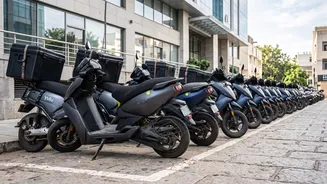
While quick commerce is creating jobs, the nature of this employment is complex and often precarious. The vast majority of workers, especially the delivery fleet, are part of the gig economy. Classified as 'partners' or 'independent contractors' rather than employees, they often lack the fundamental protections of formal employment. Studies and worker unions in Bengaluru point to issues like income instability, lack of social security benefits like health insurance and sick leave, and weak grievance redressal mechanisms. Many delivery partners work over 12 hours a day to make ends meet, facing pressure to meet tight deadlines and penalties for delays, even those beyond their control. While new labour codes mandate social security contributions from platforms, many workers feel the rules don't fully address the ground realities of their daily struggle for fair wages and safe working conditions.
Reshaping the Urban Landscape
The impact of the dark store boom extends beyond employment. It is physically altering Bengaluru's neighbourhoods. The influx of small warehouses into residential areas is causing concerns about increased traffic congestion and noise, with resident complaints becoming more common. Furthermore, the rise of instant delivery is putting immense pressure on traditional kirana stores, which have historically been the backbone of local retail and community life. As consumers shift a significant portion of their grocery spending to apps, these small, family-owned shops face an existential threat. The convenience of a 10-minute delivery is undeniable, but it comes with a trade-off that is redrawing the city's economic and social fabric in real time.