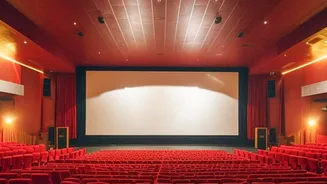







An Outing, Not Just a Movie
For many Indians, going to the movies is less about the film itself and more about the entire ritual. It's a social event, an outing for families, a classic date night, or a hangout with friends. In a country where public spaces for recreation are limited,
the cinema hall offers a clean, safe, and air-conditioned environment for a few hours of escape. The act of planning a movie trip, travelling to the theatre, grabbing popcorn, and dissecting the film afterwards are all part of a cherished communal experience that watching at home simply cannot replicate. This social dimension turns a simple viewing into a memorable event, woven into the cultural fabric of a community.
The Unmatched Big-Screen Spectacle
While OTT platforms are perfect for dramas and niche stories, they cannot compete with the sheer scale and sensory immersion of a theatrical experience. Large-scale blockbusters, especially action epics and mythological sagas, are made for the big screen. The booming surround sound, the giant visuals, and the collective gasps and cheers of a packed audience create an electrifying atmosphere. Filmmakers are increasingly designing movies as 'event films'—visual spectacles that demand to be seen in a theatre to be fully appreciated. This strategy ensures that while some films find a home on streaming, the biggest and boldest productions continue to draw massive crowds to cinemas.
A Clear Divide in Content
The industry is adapting to a two-track system. Theatrical releases are increasingly reserved for high-budget, star-studded films that promise a grand experience, while OTT platforms have become a haven for more experimental, character-driven, or long-form stories like web series. This content bifurcation helps both mediums thrive. Audiences now instinctively know which type of story is likely to be a theatrical event and which is better suited for binge-watching at home. As a result, OTT and theatres are becoming less like direct competitors and more like complementary parts of a diverse entertainment ecosystem, each serving a different purpose for both creators and consumers.
The Power of the Pan-India Film
The phenomenal success of films from South India across the nation has revitalised the theatrical business. These pan-India blockbusters, dubbed in multiple languages, have proven that compelling stories and high production values can transcend regional barriers, creating nationwide cultural moments. This trend has not only boosted box office collections but has also made cinema-going a more unified national experience. Furthermore, the rise of regional content has made audiences more discerning; they now demand strong stories over just star power, a shift that is forcing the entire industry to elevate its game.
Growth Beyond the Metros
While urban centres are well-saturated with multiplexes and high-speed internet, the real growth story for Indian cinema lies in Tier-2 and Tier-3 cities. In many of these areas, a trip to the local cinema remains a primary form of entertainment. Recognizing this, multiplex chains are expanding into smaller towns, often upgrading single screens into modern facilities with better amenities. In some regions, especially in the South, regulated and more affordable ticket prices have maintained a strong movie-going culture, ensuring theatres remain accessible to a broader audience. This focus on non-metro markets is crucial for sustaining footfalls and ensuring the cinema experience reaches the length and breadth of the country.