


A Celestial Meeting in the Southeast
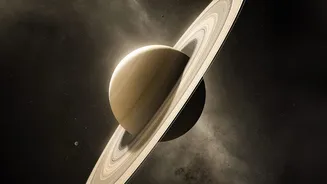
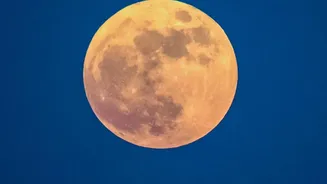
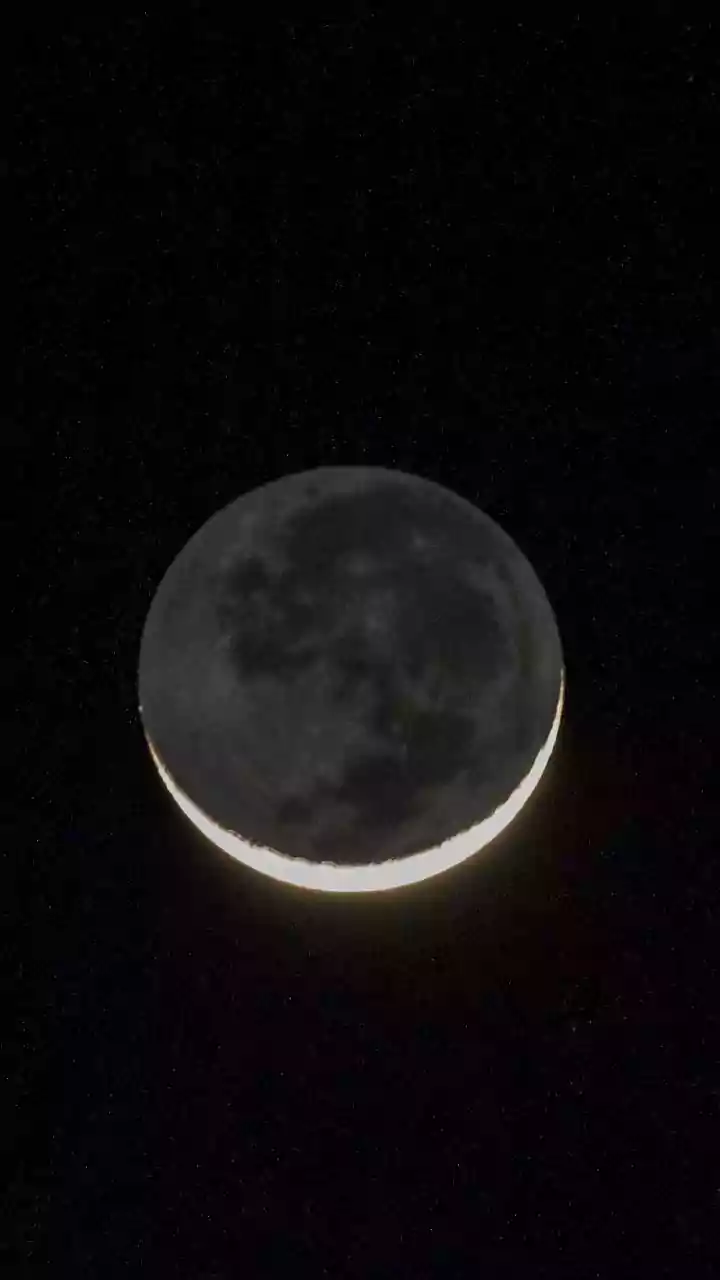
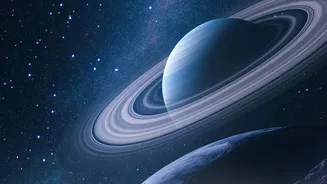
This October offers a fantastic opportunity for even the most casual sky-watchers. Around October 24, 2026, the Moon and the planet Saturn will appear very close to each other in our night sky. This event, known as a conjunction, isn't a physical meeting—the
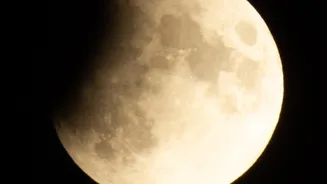
two bodies are, of course, hundreds of millions of kilometres apart—but from our vantage point on Earth, they will look like neighbours for a few nights. After sunset, look towards the southern or southeastern sky to spot the bright Moon. Saturn will be the steady, yellowish point of light nearby. The event will unfold over several evenings, from about October 21 to 24, with the nearly full Hunter's Moon appearing to glide past the planet.
Find Your Spot: Escaping the City Glow
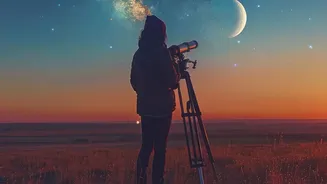
The biggest challenge for any urban stargazer is light pollution. The glow from streetlights, buildings, and cars washes out all but the brightest celestial objects. But you don’t need to drive for hours to find a decent view. The key is to minimize direct glare and maximize your view of the sky. Try to find an open space like a park, a sports field after the lights are out, or even a rooftop with a clear line of sight. Getting as high above the street-level lights as possible makes a significant difference. Even a backyard or balcony can work if you turn off your own porch lights and position yourself to block any nearby street lamps from your direct view.
Patience Is Your Best Stargazing Tool
One of the most effective and overlooked tips for city stargazing is simply giving your eyes time to adjust. It takes about 20 to 30 minutes for your pupils to fully dilate and become sensitive to low light. During this time, avoid looking at bright screens, especially your phone. If you need to use your phone, set it to its dimmest setting or use a red-light filter app, as red light has less impact on your night vision. You'll be surprised how many more stars become visible once your eyes have fully adapted to the darkness you're in, even with some background city glow.
Go Low-Tech or High-Tech, But Keep It Simple
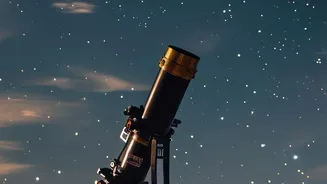
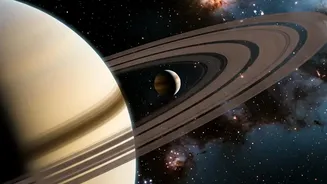
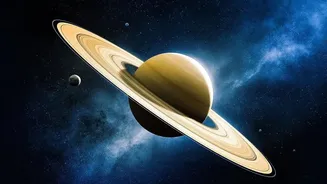
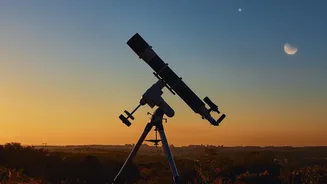
You don't need any expensive equipment to enjoy this celestial pairing. The Moon and Saturn are both bright enough to be seen easily with the naked eye. However, if you have a pair of binoculars, you'll get a much more rewarding view. Binoculars will make the Moon's craters pop and, if you hold them steady, might even reveal the faint hint of Saturn's famous rings, which will appear as tiny 'handles' on either side of the planet. For those who want a digital guide, there are dozens of excellent and often free stargazing apps. Apps like SkyView Lite, Stellarium Mobile, and Star Walk 2 use your phone’s sensors to create an augmented-reality map of the sky, making it effortless to identify planets, stars, and constellations just by pointing your phone upwards.
What You're Looking For
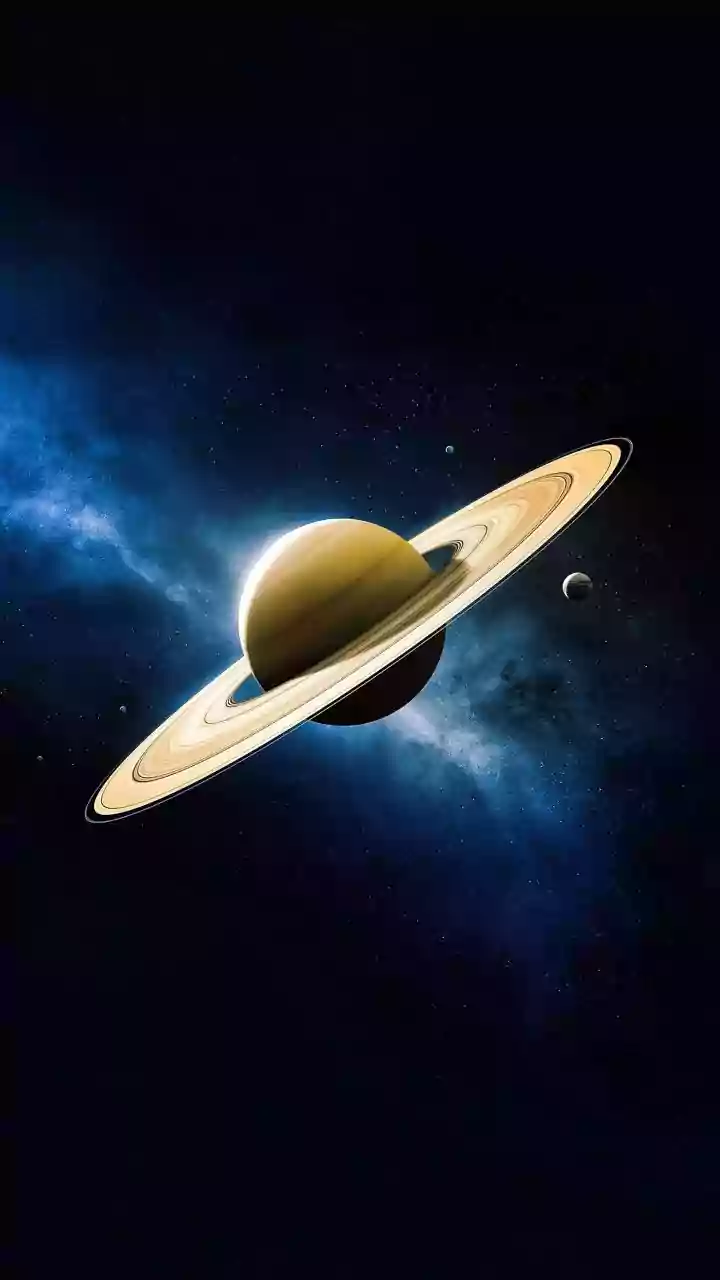
The Moon will be obvious, but how do you identify Saturn? Unlike stars, which twinkle, planets shine with a steady, unwavering light. Saturn will appear as a moderately bright, yellowish-white 'star' that doesn't flicker. Using an app can confirm its location instantly. While viewing the Moon and Saturn, you might also be able to spot other bright objects. In October 2026, Jupiter and Mars are also visible in the sky, though you'll find them in the morning sky before sunrise. Focusing on the evening sky, this conjunction offers a simple and beautiful sight, perfect for a few minutes of cosmic reflection from your own neighbourhood.