





Understanding Karat: What Do the Numbers Mean?
First, let's decode the terminology. 'Karat' (K) is the unit used to measure the purity of gold. The scale runs from 0 to 24. Therefore, 24K gold is the purest form you can get, comprising 99.9% gold. On the other hand, 22K gold means that 22 parts of the metal
are pure gold and the remaining two parts are other metals, making it 91.67% pure gold. These other metals are alloys like copper, silver, or zinc.
Purity vs. Durability: The Great Trade-Off
While 24K gold's purity sounds appealing, it comes with a major drawback: it is extremely soft. Pure gold is so malleable that it can easily bend, scratch, or change shape, making it impractical for jewellery that is meant to be worn regularly. This is where 22K gold shines. The addition of other metals makes the alloy significantly harder and more durable. This strength ensures that intricate designs hold their shape and the jewellery can withstand the rigours of daily wear, which is why 22K is the preferred choice for most Indian jewellery.
Appearance and Use Case
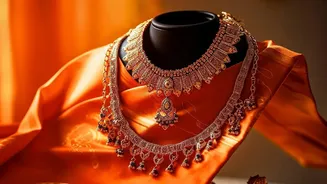
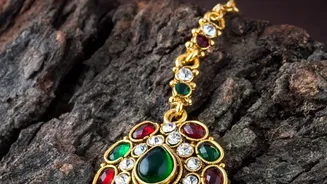
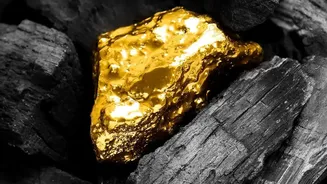
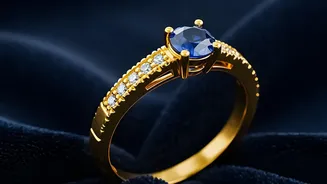
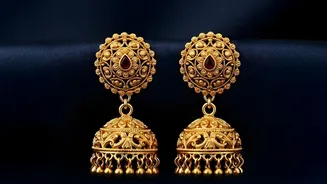
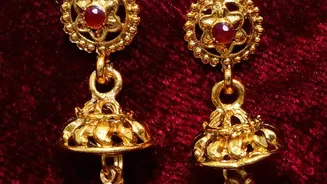
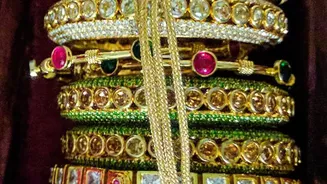
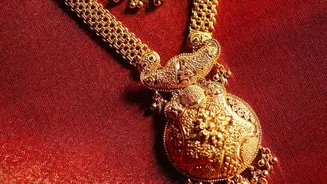
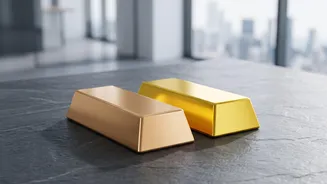
There's a noticeable visual difference between the two. 24K gold has a distinct, bright, and saturated yellow colour, which is the natural shade of pure gold. 22K gold has a slightly less intense, warmer hue due to the metals it's mixed with. Because of its softness, 24K gold is primarily suited for investment purposes, such as gold bars and coins. For wearable items like bangles, necklaces, rings, and earrings, 22K is the industry standard in India. For jewellery studded with diamonds or other precious stones, jewellers often use 18K or 14K gold, as the stronger alloy provides a more secure setting for the gems.
Cost and Calculation: What to Expect
Naturally, 24K gold is more expensive per gram than 22K gold due to its higher purity. The price of 22K gold is typically calculated as a percentage of the 24K rate. For example, the price per gram for 22K gold will be approximately 91.67% of the price for 24K gold. When you buy jewellery, the final cost includes not just the price of the gold but also 'making charges' (labour costs, which can range from 8% to over 25%) and GST. It's important to ask your jeweller for a detailed price breakdown.
The Seal of Trust: BIS Hallmarking
Regardless of the karat you choose, always look for the Bureau of Indian Standards (BIS) hallmark. This is a mandatory certification in India that guarantees the purity of the gold you are purchasing. A hallmarked piece of jewellery will have the BIS logo, the karat purity and fineness (e.g., 22K916 for 22K gold), and a unique six-digit alphanumeric Hallmark Unique Identification (HUID) number. This mark is your assurance against being sold under-karatage gold.
Resale Value: An Important Consideration
Both 22K and 24K gold have excellent resale value. When you sell or exchange gold, the value is determined by its pure gold content. While 24K gold has a higher intrinsic value per gram, jewellery made from it can lose more weight over time due to its softness, especially if worn frequently. 22K gold jewellery, being more durable, tends to retain its weight better. Both are highly liquid assets, but 24K is often preferred for pure investment, while 22K jewellery is valued for both its gold content and its craftsmanship.