
The Spirit of Onam Sadya
Onam, Kerala's most significant harvest festival, culminates on Thiruvonam, which in 2026 falls on August 26. The festival commemorates the homecoming of the mythical King Mahabali, and the Sadya—meaning 'banquet' in Malayalam—is a lavish spread prepared
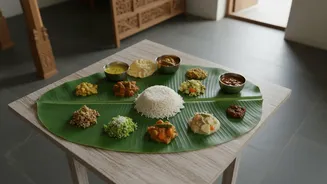
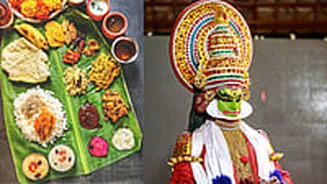
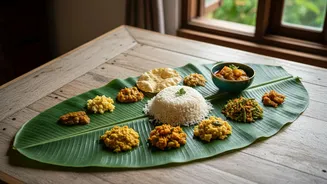
to show him that his people are living in prosperity. This vegetarian feast, traditionally served on a banana leaf, is a symphony of flavours, textures, and aromas. It's more than a meal; it's a cultural experience, a symbol of unity, and an expression of gratitude for the harvest. While a full Sadya can feature over two dozen dishes, creating a memorable version at home is entirely achievable with a focus on the essentials.
The Foundation: Rice and First Flavours
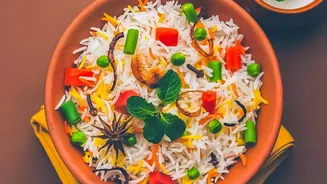
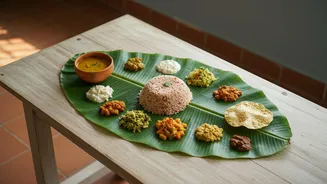
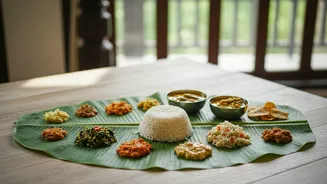
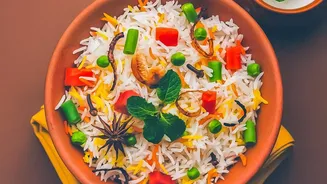
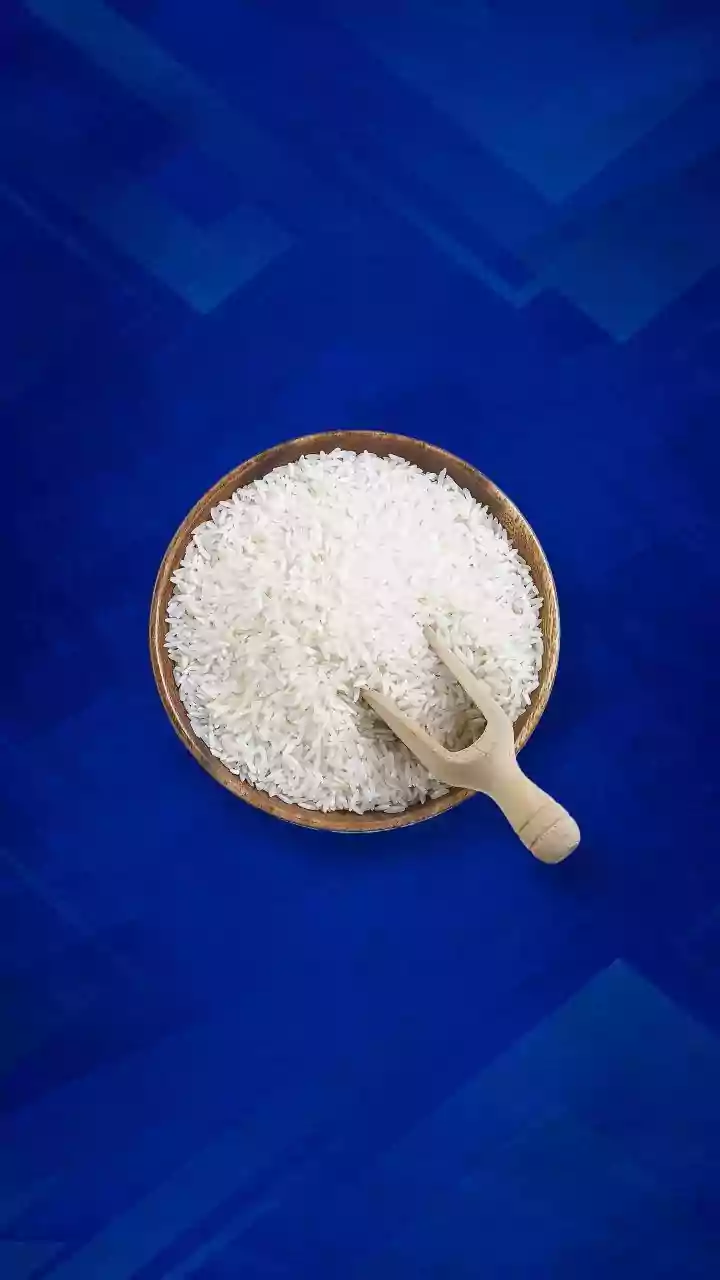
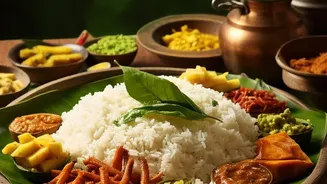
Every Sadya begins with a mound of steaming hot Kerala Matta rice, a nutty red rice that forms the canvas for the feast. The meal officially commences when Parippu, a simple but delicious curry made from moong dal, is poured over the rice along with a spoonful of pure ghee. Alongside the rice, the top-left corner of the banana leaf is reserved for essential accompaniments: a pinch of salt, a small banana, crisp Pappadam, and two types of banana chips—plain salted ones called Upperi and chunks coated in jaggery known as Sharkara Varatti.
The Side Stars: Thoran and Avial
No Sadya is complete without its iconic side dishes. Avial is arguably the star, a thick, semi-dry medley of vegetables like yam, drumstick, and plantain cooked in a fragrant coconut and yogurt gravy. It’s a dish that beautifully represents unity in diversity. Equally important is Thoran, a simple stir-fry of finely chopped vegetables like cabbage or beans mixed with grated coconut, mustard seeds, and curry leaves. These vegetable preparations add texture and balance to the rich curries.
The Liquid Gold: Essential Curries
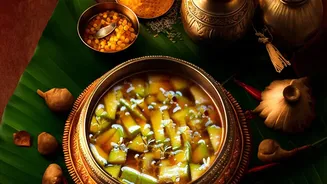
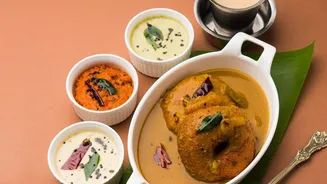
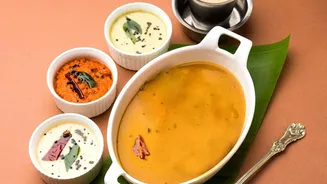
A series of distinct curries, each poured over rice in succession, defines the Sadya experience. After Parippu, Sambar is served—a robust lentil-based stew packed with vegetables and tangy tamarind. This is often followed by Kaalan or Pulissery, a thicker, yogurt-based curry with a sour and spicy profile, sometimes made with pineapple or cucumber. Olan is a milder, elegant curry made with ash gourd and cowpeas in a delicate coconut milk base, offering a gentle counterpoint to the spicier dishes. Rasam, a thin and peppery soup, is typically served towards the end to cleanse the palate and aid digestion.
The Finishing Touches: Pickles and Pachadi
Small but mighty, the condiments are what make the Sadya sing. On the top half of the leaf, you'll find a variety of pickles (Achar), most commonly mango and lime, which provide sharp, spicy notes. A standout is Inji Puli, a sweet, sour, and spicy chutney made from ginger, tamarind, and jaggery. Also present are Pachadi and Kichadi, which are refreshing yogurt-based side dishes. Pachadi is typically sweeter (like a pineapple or beetroot raita), while Kichadi is more savoury, often featuring cucumber.
The Sweet Finale: Payasam
The feast concludes with Payasam, the traditional dessert. There are many varieties, but two are especially beloved. Palada Pradhaman is a creamy kheer made with milk, sugar, and tiny rice flakes (ada). Parippu Pradhaman is a richer, darker dessert made with lentils, jaggery, and coconut milk, often studded with cashews and raisins. It's customary to mash a small banana and a piece of Pappadam into the Payasam, creating a final, unforgettable blend of sweet, salty, and crunchy.
Serving With Tradition
The presentation is as important as the food. The banana leaf is always placed with its narrow tip pointing to the left of the guest. All the dry dishes, pickles, and chips are placed on the upper half of the leaf, while the bottom half is reserved for the rice and the curries that will be poured over it. The meal is traditionally eaten with the right hand, and at the end, folding the leaf tells a story. Folding it towards you signals satisfaction with the meal; folding it away can suggest the meal could be improved.