





The Secret to No-Smell Composting
The primary cause of bad odour in a compost bin is an imbalance of materials and excess moisture, which leads to rotting instead of decomposing. A healthy compost pile should smell earthy and fresh. To achieve this, you need a good mix of 'greens' (nitrogen-rich
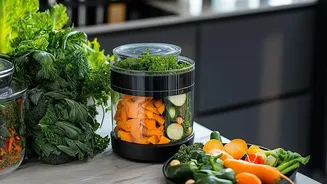
materials like vegetable scraps and coffee grounds) and 'browns' (carbon-rich materials like shredded newspaper or cardboard). The browns absorb excess moisture and provide aeration, preventing the foul smell associated with anaerobic decomposition. A simple rule is to add a layer of browns every time you add food scraps. Additionally, avoid adding meat, dairy, or oily foods, as these are primary culprits for odours and pests.
Vermicomposting: A Worm-Powered Solution
Vermicomposting uses specific types of worms, usually red wigglers, to break down your kitchen scraps. It's an incredibly efficient and nearly odourless method perfect for small spaces like a kitchen corner or balcony. A worm bin is a contained system where worms live in bedding made of materials like shredded newspaper or coconut coir. You simply bury your fruit and vegetable scraps in the bedding, and the worms do the rest, producing nutrient-rich 'castings'. A well-maintained worm bin does not smell; any odour suggests it might be too wet or you've added too much food. The key is to keep the bedding moist but not soggy, like a wrung-out sponge, and to feed the worms only what they can consume in a few days.
Bokashi: The Fermentation Method
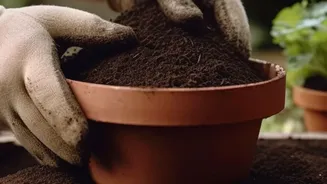
Originating from Japan, Bokashi is not traditional composting but an anaerobic fermentation process. It uses a special airtight bucket and an inoculated bran to pickle your kitchen scraps. The biggest advantage of Bokashi is its ability to handle all food waste, including meat, dairy, and cooked foods, which are off-limits for many other composting methods. The process is quick and doesn't produce a foul rotting smell. Instead, a properly managed Bokashi bin will have a faint, sweet, pickle-like odour. You layer your scraps with the Bokashi bran in the airtight container. Once full, you seal it for about two weeks to ferment. The resulting 'pre-compost' needs to be buried in soil (a garden bed or a large planter) to fully break down, but this final stage is odourless.
Compact Tumblers for Balcony Composting
For those with a small balcony, a compact compost tumbler is an excellent, self-contained solution. These sealed drums are designed to prevent pests and contain odours. Models are available in various sizes, with some as small as 18-20 gallons, making them ideal for apartment dwellers. You add your kitchen scraps and brown materials, then turn the tumbler every few days. This rotation mixes and aerates the contents, speeding up decomposition significantly and preventing bad smells. Dual-chamber tumblers are particularly useful as they allow you to 'cook' one batch while you start adding new scraps to the other side, ensuring a continuous cycle.
Simple Tips for a Fresh-Smelling Bin
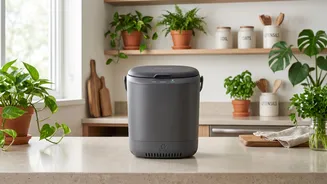
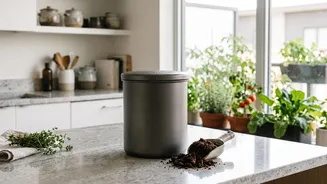
Regardless of the method you choose, a few universal rules will ensure your composting journey is odour-free. Always use a bin with a tight-fitting lid. For extra protection, some bins come with charcoal filters that trap odours. If you're collecting scraps on your countertop before moving them to the main bin, consider storing them in a container in the freezer; this completely stops decomposition and any potential smell. Ensure your bin is not too wet; if it is, add more dry 'brown' materials like shredded paper or cardboard to soak up the moisture. Finally, regularly emptying and rinsing your collection pail, about once to a week, prevents any build-up.