
The Plant-Based Iron Challenge
Iron is crucial for energy, carrying oxygen in our blood, and overall vitality. There are two types of dietary iron: heme, found in animal products, and non-heme, found in plants. Non-heme iron is less easily absorbed by the body, which means those on vegetarian
or vegan diets need to be more strategic to meet their daily needs. This is where the magic of food pairing comes in. Without a little help, much of the iron from plant sources like lentils, beans, and spinach can pass through your system without being fully utilized. This is why some plant-based eaters might feel fatigued despite eating iron-rich foods. The key isn't just about what you eat, but how you eat it.
Vitamin C to the Rescue
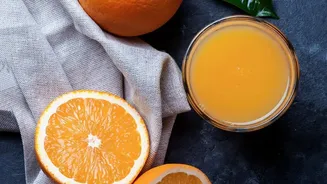
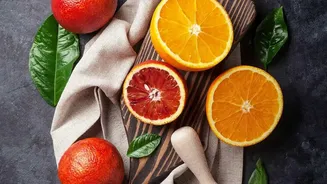
The hero of this story is Vitamin C, also known as ascorbic acid. When consumed in the same meal as a source of non-heme iron, Vitamin C works as a powerful enhancer. It chemically changes the iron, converting it from its less-soluble ferric (Fe3+) state into the more-soluble ferrous (Fe2+) state, which your intestines can absorb much more efficiently. The effect is significant. Studies have shown that adding Vitamin C can increase non-heme iron absorption several times over. In fact, some research suggests that as little as 25-50 milligrams of Vitamin C—the amount in half a bell pepper or a small orange—can double your body's uptake of plant-based iron from a meal. This simple trick effectively unlocks the full potential of the iron in your food.
Your Power Pairing Shopping List
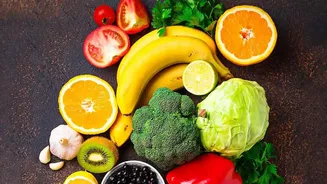
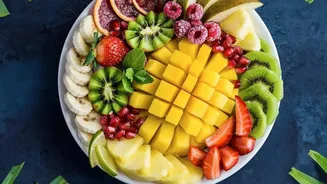
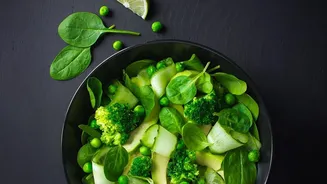
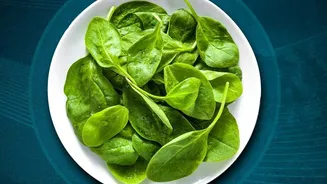
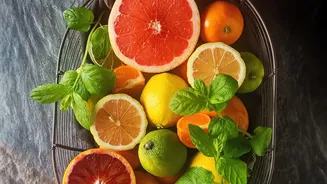
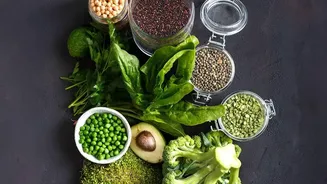
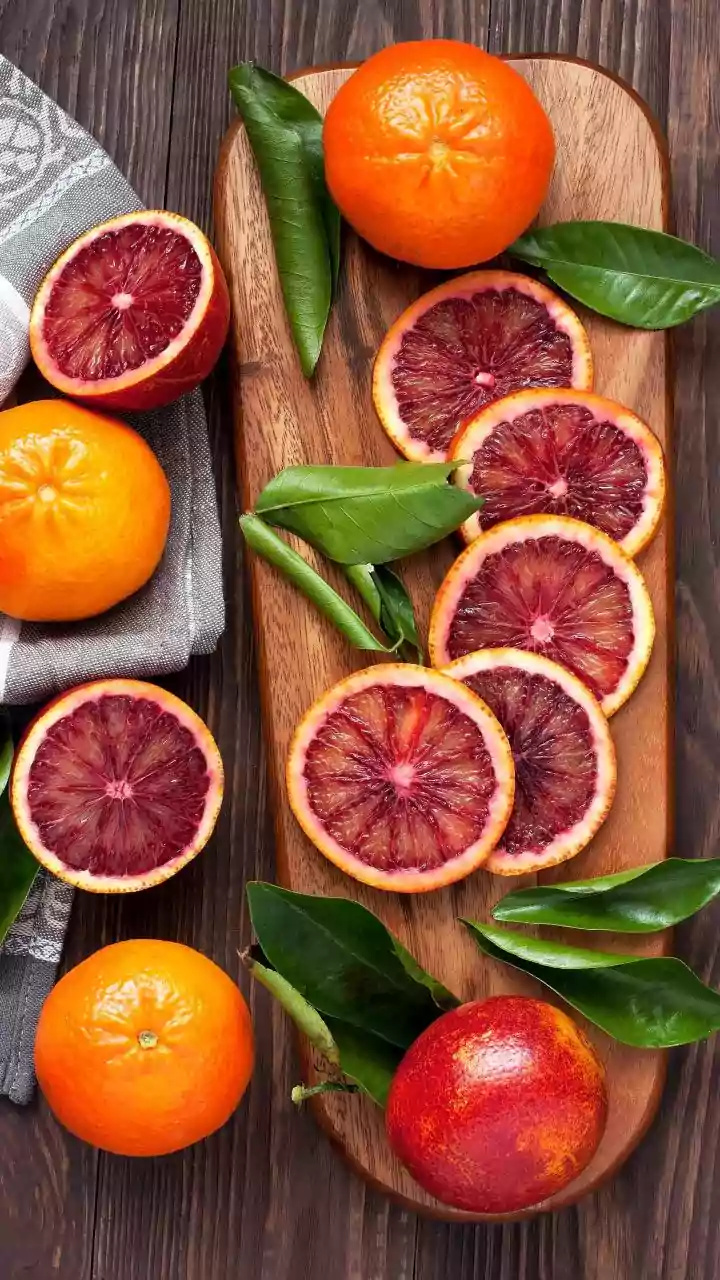
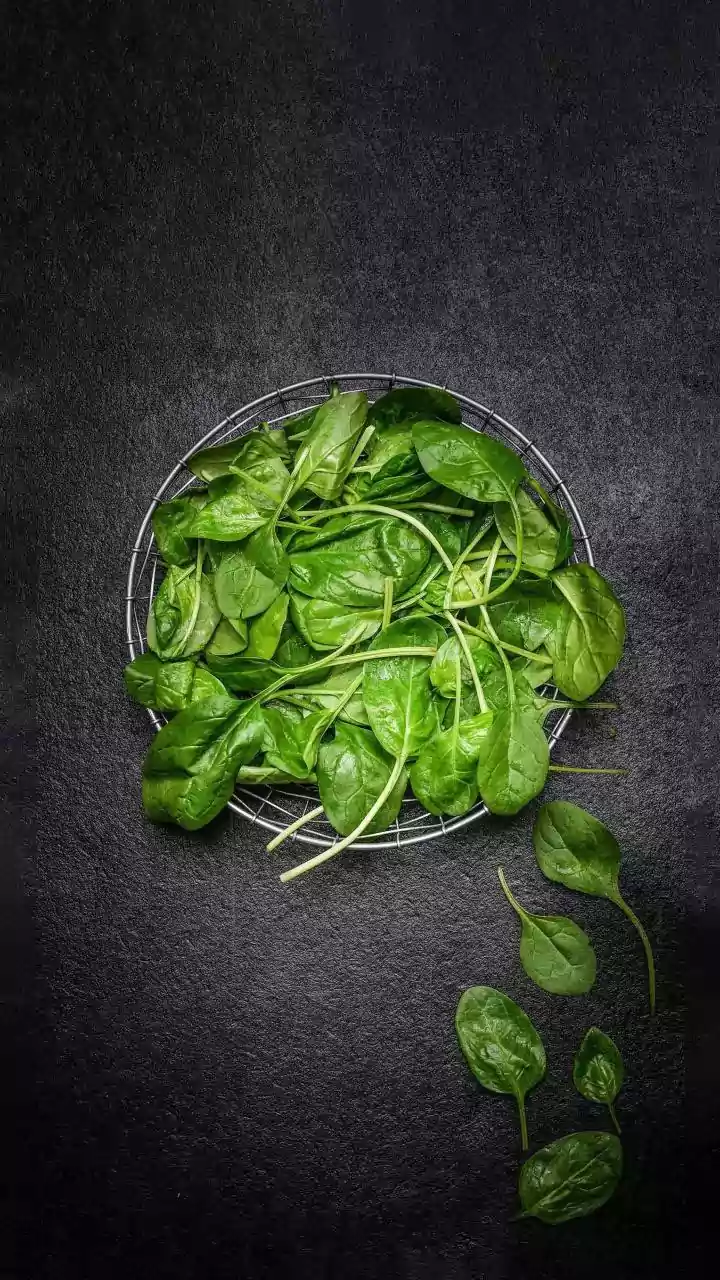
Building your meals around this concept is easy and delicious. The goal is to combine a food high in non-heme iron with one that's packed with Vitamin C. While the headline focuses on leafy greens and citrus, the options are broad. Top Plant-Based Iron Sources: Leafy Greens: Spinach, kale, Swiss chard. Legumes: Lentils, chickpeas, black beans, tofu. Nuts and Seeds: Pumpkin seeds, cashews, hemp seeds, tahini (sesame paste). Excellent Vitamin C Sources: Citrus Fruits: Oranges, lemons, limes, grapefruit. Other Fruits: Strawberries, kiwi, mango. Vegetables: Bell peppers (especially red and yellow), broccoli, tomatoes. Pairing any item from the first list with an item from the second in the same meal will give you the absorption boost you’re looking for.
Simple and Delicious Meal Ideas
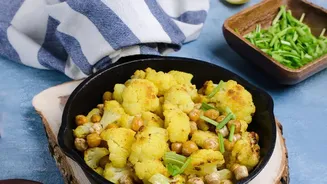
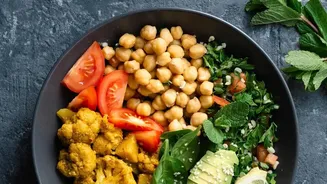
Incorporating these pairings into your daily routine doesn't require a complete dietary overhaul. Often, it's as simple as adding a squeeze of lemon or a handful of berries. Breakfast: Add strawberries or orange slices to your iron-fortified oatmeal or cereal. If you're having a tofu scramble, mix in some chopped bell peppers and tomatoes. Lunch: A classic spinach salad becomes an iron-absorbing powerhouse with the addition of mandarin orange segments and a lemon-based vinaigrette. A lentil soup finished with a generous squeeze of fresh lemon juice is another fantastic option. Dinner: When making a chickpea curry, stir in some spinach towards the end and serve with a side of steamed broccoli. For a simple side dish, sauté kale with garlic and a splash of lime juice. Snacks: Hummus (made from chickpeas) with red bell pepper strips for dipping is a perfect combination.
What About Absorption Blockers?
Just as Vitamin C enhances iron absorption, other compounds can inhibit it. The main culprits are phytates, found in whole grains and legumes, and polyphenols (including tannins) found in coffee and tea. Oxalates, present in foods like raw spinach and beets, can also bind with minerals. While you shouldn't avoid these healthy foods, timing can help. Try to drink your coffee or tea at least an hour before or after your iron-rich meals. Soaking and cooking legumes and grains can help reduce their phytic acid content. And while spinach is high in oxalates, cooking it and pairing it with a strong source of Vitamin C helps counteract the inhibitory effect, ensuring you still get its iron benefits.