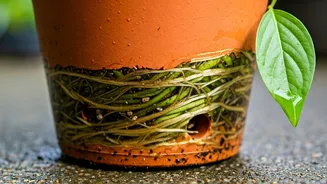





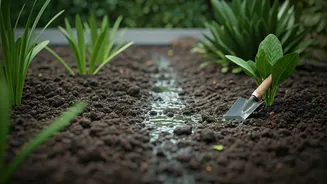


Prioritise Perfect Drainage
The single biggest threat to plants during the monsoon is not the rain itself, but the water that stays behind. When soil becomes waterlogged, it suffocates the roots, leading to root rot—a condition that can quickly become fatal. Before the heavy showers
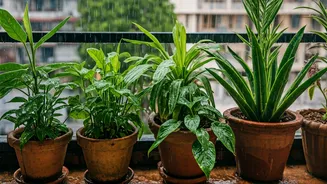
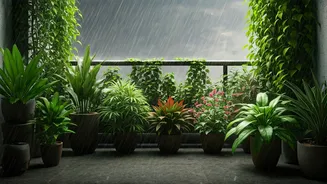
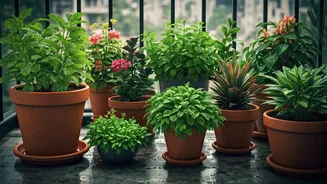
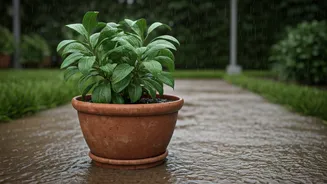
set in, ensure every one of your pots has clear drainage holes. If they seem blocked, use a stick to clear any obstructions. A great trick is to elevate your pots on bricks, stands, or 'pot feet'. This small lift allows excess water to escape freely and improves air circulation around the base, preventing the pot from sitting in a puddle. For garden beds, improve the soil's structure by mixing in sand, cocopeat, or perlite to make it more porous and less prone to becoming a muddy bog.
Rethink Your Watering Schedule
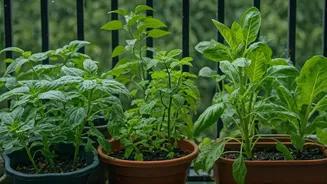
It might sound counterintuitive, but you need to be mindful of watering during the rainy season. Relying on rainwater alone might not be sufficient if plants are under a roof, but overwatering is a far greater risk. The rule is simple: check the soil first. Stick your finger about an inch into the topsoil; if it feels damp, hold off on watering. The frequent rain and high humidity mean the soil will stay moist for much longer than in dry weather. When you do water, do it in the morning so that any excess moisture on the leaves has a chance to evaporate during the day, reducing the risk of fungal growth.
Be Vigilant About Pests and Fungi
The damp, humid conditions of the monsoon are a perfect breeding ground for pests like slugs, snails, and mealybugs, as well as fungal diseases like powdery mildew and leaf spot. Prevention is always better than cure. Make it a habit to regularly inspect your plants, paying close attention to the undersides of leaves and the joints of stems where pests love to hide. To keep fungal infections at bay, ensure there is good air circulation between your plants; avoid crowding them together. A preventive spray of neem oil solution every 10-15 days can work wonders as a natural and effective deterrent for both pests and fungi. Also, promptly remove any fallen leaves or dead flowers from the soil surface, as this decaying matter can harbor diseases.
Prune for Health and Airflow
Pruning isn't just for aesthetics; it's a vital health practice during the monsoon. Before the heavy rains begin, trim away any dead, damaged, or weak branches. This initial cleanup helps the plant direct its energy toward healthy growth. Throughout the season, continue to prune lightly. This practice does two important things: it improves air circulation through the plant's foliage, which helps leaves dry faster and reduces fungal risk, and it prevents the plant from becoming too dense and heavy, which can make it susceptible to damage from strong winds and rain. Regular trimming encourages new, robust growth, ensuring your plant remains vibrant.
Go Easy on Fertiliser
While it's tempting to feed your plants to encourage growth, the monsoon is not the time for heavy fertilising. Plants are often under stress from the constant moisture and reduced sunlight, and their ability to absorb nutrients is diminished. Furthermore, heavy rains can easily wash away chemical fertilisers from the soil, leading to wastage and potential pollution. If you must fertilise, opt for a light, organic top-dressing like vermicompost or cow dung manure. Apply it during a dry spell between rains. This slow-release approach provides a gentle supply of nutrients without overwhelming the plant or getting washed away.
Provide Shelter for Delicate Plants
Not all plants are built to withstand the full force of a monsoon downpour. Delicate species, as well as succulents and cacti that prefer dry conditions, can be severely damaged by heavy rain and strong winds. If you have such plants in pots, the solution is simple: move them to a sheltered location like a covered balcony, porch, or veranda. This protects them from physical damage and allows you to control the amount of water they receive, preventing certain rot. For plants in the ground that cannot be moved, you can create temporary shelters using plastic sheets or garden nets, ensuring they are well-anchored to withstand the wind.