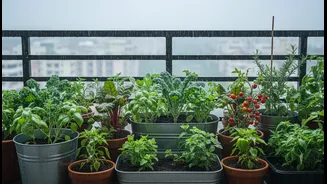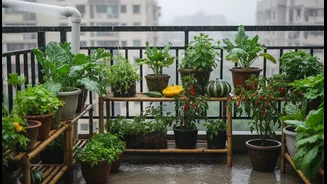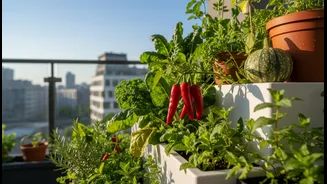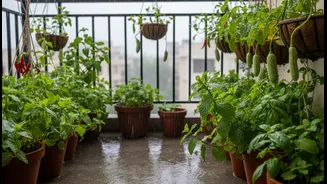




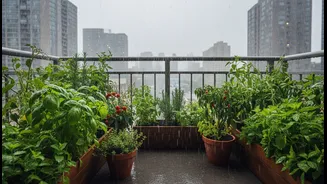


Why Monsoon is Prime Planting Time
The rainy season is nature’s perfect starter kit for gardening. The frequent rain, higher humidity, and moderate temperatures create an ideal environment for many plants to thrive. For beginners, the monsoon takes much of the guesswork out of watering,
as the natural showers keep the soil consistently moist. This period of rejuvenation in nature can be mirrored on your balcony, providing a burst of green against the grey city skies. The warm, humid conditions are particularly favourable for the rapid growth of many Indian vegetables, allowing even novice gardeners to see results quickly.
Your Balcony Starter Pack: What to Grow
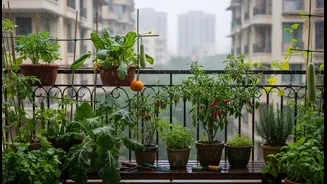
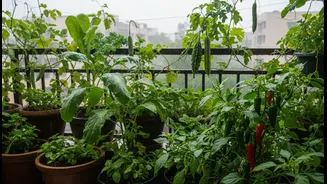
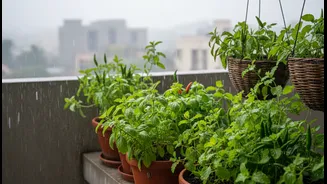
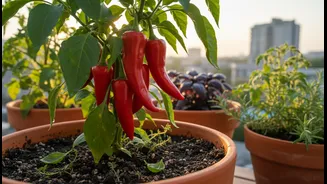
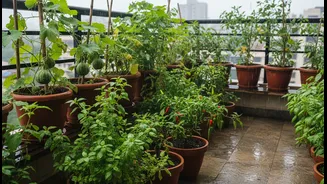
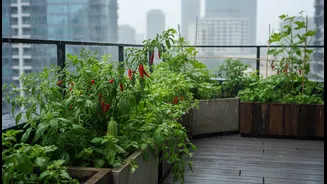
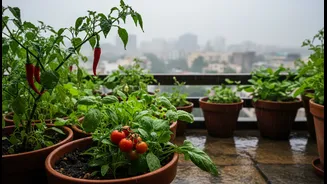
Choosing the right plants is the key to a successful monsoon garden. Start with vegetables that love these conditions. Leafy greens like spinach (palak) and amaranth (chaulai) grow rapidly and can be harvested multiple times. Gourds are the champions of the monsoon; varieties like bottle gourd (lauki), ridge gourd (turai), and bitter gourd (karela) flourish in the humidity, but they are climbers and will need a trellis for support. No Indian kitchen is complete without chillies and herbs, and both do wonderfully in pots. Green chillies, coriander, and mint are easy to manage on a balcony and provide a steady supply for your culinary needs.
Setting Up for Success: Pots and Soil
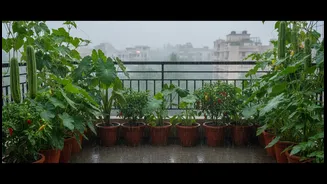
You don’t need a vast yard to get started; a few well-chosen containers will do. Grow bags or terracotta pots with a depth of at least 20-30 cm are suitable for most vegetables. The single most critical factor during the monsoon is drainage. Ensure every pot has holes at the bottom to let excess water escape, preventing the roots from drowning. Garden soil alone is often too heavy for pots. Instead, use a light, well-draining potting mix. A combination of garden soil, compost, and cocopeat works well, as it holds moisture without becoming waterlogged.
Managing Monsoon Challenges
While the rains are a blessing, they can also bring challenges. Overwatering is the most common mistake during this season. Always check if the top inch of soil is dry before watering; often, the rain does the job for you. To further prevent waterlogging, you can place pots on stands or bricks. The damp weather is also an invitation for pests like aphids, whiteflies, and slugs, as well as fungal diseases. Regularly check the undersides of leaves. A simple, organic solution like a neem oil spray (mixed with a few drops of liquid soap) can help manage most common pests effectively without resorting to harsh chemicals.
The 'Bigger Story' of a Balcony Garden
This endeavour is about more than just growing food. For urban renters and homeowners, a balcony garden is a powerful tool for reconnection. It’s about the joy of harvesting your own chemical-free produce, a benefit cited by over 93% of urban gardeners in one study. It reduces food miles and waste, contributing to a more sustainable lifestyle. Beyond the practical benefits, gardening offers significant boosts to mental well-being, providing a daily dose of nature and a sense of accomplishment. In a concrete jungle, nurturing life on a small balcony is a profound act of creating your own green sanctuary, improving air quality, and even reducing a building's temperature.