






Pakoras: The Quintessential Rainy Day Snack
No monsoon experience in North India is complete without a plate of hot pakoras and a steaming cup of chai. These fritters are the unofficial snack of the season for a reason. The magic lies in their simplicity: assorted vegetables like onions, potatoes,
or spinach are dipped in a spiced gram flour (besan) batter and deep-fried to golden perfection. The result is a delightfully crispy exterior that gives way to a soft, savoury interior. Served fresh off the fire with a side of tangy mint or sweet tamarind chutney, pakoras are a shared pleasure, often made at home to be enjoyed with family while watching the downpour. This timeless snack has been a part of Indian cuisine for centuries, evolving into the perfect antidote to a grey, rainy day.
Pazham Pori: Kerala’s Sweet Surprise
Travel south to Kerala, and you'll find a different kind of fritter ruling the rainy evenings: Pazham Pori. Also known as Ethakka Appam, this beloved tea-time snack is a sweet counterpoint to its savoury cousins. It is made using ripe plantains, specifically the Nendran variety, which are sliced, coated in a lightly sweetened batter of plain flour (maida), and deep-fried until they are puffy and golden. The outside is wonderfully crisp, while the inside holds the soft, melt-in-your-mouth sweetness of the cooked banana. For many Malayalis, the combination of hot Pazham Pori and a cup of strong tea is the very definition of monsoon comfort.
Bhutta: The Smoky Aroma of the Streets
The scent of Bhutta, or roasted corn on the cob, is intrinsically linked to the monsoon season across India. As the clouds gather, street vendors appear with their carts, roasting fresh corn over hot coals. The process is a spectacle in itself: the cobs are turned over an open flame until the kernels are tender and lightly charred, giving them a distinct smoky flavour. Before it’s handed over, the corn is generously rubbed with a mixture of lemon juice, salt, and a pinch of chilli powder, creating a perfect balance of tangy, spicy, and sweet. It’s a light yet satisfying snack, ideal for enjoying while taking a walk on a misty evening.
Khichdi: The Ultimate Bowl of Comfort
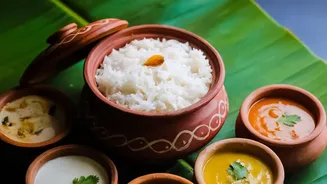
When the rain is relentless and you crave warmth from within, nothing satisfies quite like Khichdi. This humble one-pot meal of rice and lentils (usually moong dal) is the epitome of comfort food in Indian households. Valued in Ayurveda for being easy to digest and nourishing, it is often the go-to meal during illness or on days when the body needs a gentle reset. While the basic recipe is simple, regional variations abound. From the simple Bengali version served with a fried brinjal slice (beguni) to spicier masala versions in the west, Khichdi is incredibly versatile. Topped with a generous dollop of ghee, it is a wholesome, soulful dish that feels like a hug in a bowl.
Momos and Thukpa: Warmth from the Himalayas
In the chilly, rain-soaked hills of Sikkim, Darjeeling, and other Himalayan regions, comfort comes in the form of steaming dumplings and hearty soups. Momos, delicate parcels filled with minced vegetables or meat, are steamed to perfection and served with a fiery dipping sauce. They are a light but incredibly satisfying snack. For a more substantial meal, there is Thukpa, a nourishing noodle soup. This Tibetan dish features noodles in a flavourful broth, often cooked with vegetables and meat, providing a complete and warming meal that is perfect for fending off the damp chill of a mountain monsoon.
Masala Chai: The Essential Monsoon Brew
While not a food, no list of monsoon comforts would be complete without Masala Chai. It is the indispensable companion to almost every rainy-day snack, especially pakoras. This isn't just regular tea; it's a fragrant brew of black tea and milk, infused with a blend of warming spices like ginger, cardamom, cloves, and cinnamon. The ginger provides a gentle heat that is believed to help ward off colds common during this season, while the aroma of the spices itself is soothing. A hot cup of masala chai, enjoyed while sitting by a window and listening to the rain, is a simple, profound pleasure that completes the Indian monsoon experience.