



Embrace Strategic Ventilation
Proper airflow is your first line of defence against indoor humidity. While it may seem counterintuitive to open windows during the rainy season, timing is everything. Use drier periods, often in the mornings or after a shower has passed, to open windows and
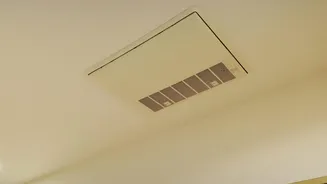
doors on opposite sides of your home. This practice, known as cross-ventilation, is highly effective at flushing out moist, stagnant air and replacing it with fresher, drier air. For rooms like kitchens and bathrooms that generate a lot of moisture, be sure to run exhaust fans during and after activities like cooking and showering to expel damp air directly outside. Using ceiling fans also helps to keep air circulating, preventing moisture from settling on walls and furniture.
Harness Natural Dehumidifiers
You don't need expensive gadgets to fight dampness; several common household items are excellent natural moisture absorbers. Placing bowls of rock salt in damp corners, closets, or basements is a cost-effective way to draw moisture from the air. The salt will absorb water, which then collects in the bottom of the container and can be discarded. Charcoal briquettes work in a similar fashion, with the added benefit of neutralising musty odours. For smaller spaces like wardrobes and cabinets, an open box of baking soda or silica gel packets can be very effective at keeping the contents dry and fresh.
Optimise Your Appliances
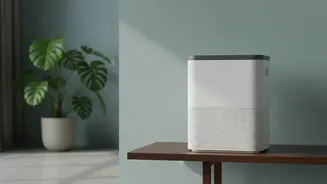
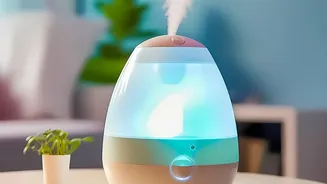
Your air conditioner is a powerful tool for dehumidification. Many units have a 'dry mode' specifically designed to remove excess moisture from the air without over-cooling the room. If your AC doesn't have this setting, simply running it in normal cooling mode will still help reduce humidity. To maximise its effectiveness, set the fan to 'Auto' instead of 'On'. This ensures the fan only runs during the cooling cycle, allowing the moisture collected on the unit's cold coils to drain away properly instead of being blown back into the room. If humidity is a persistent problem, investing in a portable dehumidifier for particularly damp areas can make a significant difference.
Manage Indoor Moisture Sources
Everyday activities can add a surprising amount of moisture to your home's air. Be mindful of these sources and take simple steps to mitigate them. When cooking, always use lids on pots and pans and turn on the chimney or exhaust fan. Try to take shorter, cooler showers, as hot water creates a lot of steam. Perhaps most importantly, avoid drying wet clothes indoors whenever possible. Wet laundry releases a large volume of water vapour into the air. If you must dry clothes inside, place the rack in a single, well-ventilated room with a window cracked open or a fan running.
Protect Walls and Wardrobes
Damp, dark, and poorly ventilated spaces like cupboards and wall corners are prime real estate for mould and mildew. To protect your belongings, don't place furniture right up against walls; leave a small gap to allow for air circulation. Regularly wipe down furniture with a dry cloth. Inside wardrobes, you can place moisture absorbers like camphor or neem leaves, which also help repel insects. Keeping wardrobe doors slightly ajar on dry, sunny days can also help air them out. To combat mould on walls, a spray made from boiling neem leaves in water can be an effective natural antifungal treatment.
Check for Leaks and Seepage
Finally, be proactive about home maintenance. Persistent dampness can sometimes be a sign of a larger issue, such as a leak in the roof, walls, or plumbing. Regularly inspect your home for any signs of water ingress, like damp patches, peeling paint, or water stains. Sealing any cracks around windows and doors can also prevent humid air and rainwater from getting inside. Addressing these structural issues promptly is crucial, as even a small, slow leak can introduce a significant amount of moisture into your home over time, undermining all your other efforts to stay dry and comfortable.