







The Promise of an AI Nutritionist
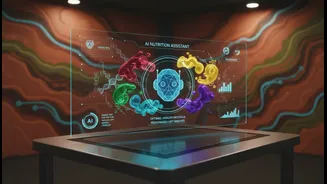
The National Institute of Nutrition (NIN), based in Hyderabad, is developing an AI-powered tool to help Indians make more informed food choices. The plan is to create a search engine or bot that provides detailed nutritional information for thousands
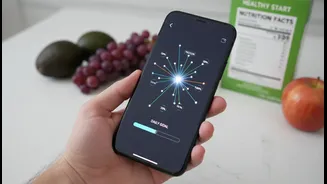
of packaged food products available in the market. By simply searching for a product or scanning a barcode, users could access easy-to-understand details about its nutritional profile. The initiative is a response to the rising consumption of pre-packaged foods and the corresponding increase in non-communicable diseases like diabetes and hypertension in India. To build the database, NIN has partnered with a Hyderabad-based startup that developed the 'TruthIn' app, which has already indexed over 75,000 food products. The goal is to create a one-stop source for consumers to understand what they are eating, flag hidden additives, and receive information based on Indian regulatory standards.
Why AI for Nutrition Makes Sense
On the surface, using AI for public health is a compelling idea. India has a vast population and a significant shortage of healthcare professionals, especially in rural areas. AI-powered tools can help bridge this gap by providing accessible, 24/7 support. Proponents argue that AI can democratize health information, making it cheaper and more accessible for everyone. An AI bot can process vast amounts of data to offer personalised suggestions, a task that would be impossible on a national scale for human experts alone. For a country battling both undernutrition and a rising tide of obesity-related diseases, a scalable tech solution that can guide millions towards healthier choices seems like a logical and necessary step forward. The government is already backing AI in other areas of healthcare, from diagnostics to telemedicine, making a nutrition bot a natural extension of this strategy.
The Devil in the Dietary Data
Here is where the context becomes critical. An AI is only as good as the data it is trained on, and Indian food is incredibly complex. The initial focus of NIN's bot seems to be on packaged foods, which is a good starting point. However, a truly useful nutrition bot must understand the vast diversity of home-cooked meals, regional cuisines, and local ingredients that define the Indian diet. How does an algorithm accurately calculate the nutritional value of a homemade 'sabzi' where portion sizes, oil content, and ingredients vary from one household to the next? The risk of algorithmic bias is significant. If the AI is trained primarily on urban, standardized diets, its advice could be irrelevant or even incorrect for large parts of the population. Accurately estimating portion sizes and accounting for the small but nutritionally significant quantities of foods used in Indian cooking is a major challenge that researchers are still trying to solve.
Beyond Calories and Macronutrients
A smarter reading of this AI initiative means recognising that nutrition is not just a science of calories and macronutrients; it is deeply cultural. Food is tied to tradition, celebration, and socio-economic status. A bot might recommend a diet rich in quinoa and avocados, but this advice is useless if those foods are not affordable or locally available. Effective nutritional counseling requires empathy and an understanding of a person's life context, something a machine cannot easily replicate. While the bot can provide valuable information, it cannot replace the nuanced guidance of a human dietitian who can factor in a person's lifestyle, preferences, and health history. The danger is that users might treat the AI's advice as infallible, potentially ignoring their own body's signals or more complex health needs that require professional intervention.
A Powerful Tool, Not a Perfect Doctor
The most effective way to view NIN's planned AI bot is as a powerful educational tool, not a digital doctor. It has the potential to significantly raise nutritional literacy, especially concerning packaged foods. It can help people decode confusing labels, identify unhealthy ingredients, and make better choices at the supermarket. For researchers and policymakers, the data collected could be invaluable for tracking dietary trends and shaping public health policies. However, for personalised health advice, especially for those with existing medical conditions, it should be seen as a starting point. It can empower patients with information to have more productive conversations with their doctors and dietitians. The ultimate responsibility for health decisions must still rest with the individual, in consultation with qualified human experts.