



The Unsung Hero of Home Cooking
For anyone who grew up in or around a Gujarati household, the thepla needs no introduction. This soft, spiced flatbread, typically made with whole wheat flour, gram flour (besan), fenugreek leaves (methi), and a medley of spices, is a cornerstone of the cuisine.
It’s the reliable, delicious snack that’s perfect with a cup of chai, a dollop of pickle, or a bowl of yoghurt. Its genius lies in its simplicity and longevity; made with oil and packed with care, theplas can last for days without refrigeration, making them the undisputed champion of travel food and lunchboxes. It carries with it the flavour of nostalgia, a simple comfort food that has been passed down through generations, each family holding its own secret ratio of spices and herbs.
From Tiffin Box to Tasting Menu
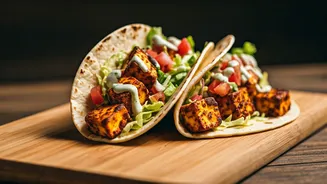
But something has shifted. That familiar flatbread is now appearing in contexts that would have been unimaginable just a few years ago. Look closely at the menus of modern Indian eateries and chic gastropubs, and you’ll see it: thepla tacos filled with pulled jackfruit, miniature thepla canapés topped with exotic ingredients, or thepla rolls served with artisanal dips. Chefs are deconstructing and reconstructing it, using the familiar, earthy flavour of the thepla as a canvas for culinary innovation. In Mumbai, a trendy bistro might serve it as a base for avocado toast. In Bengaluru, a fine-dining restaurant might pair a bite-sized thepla with a complex reduction. It's no longer just a side dish; it's the star, ingeniously adapted for a new generation of diners who crave both novelty and comfort.
A Craving for Comfort and Authenticity
So, why now? The thepla’s resurgence isn’t happening in a vacuum. It’s part of a much larger, more significant shift in India’s culinary landscape. In a post-pandemic world, there's a collective yearning for comfort and nostalgia, and what’s more comforting than the food of our childhood? But it's more than just that. There is a growing movement among Indian chefs to champion regional, hyperlocal cuisines. For years, “Indian food” in restaurants often meant a generic lineup of Punjabi and Mughlai dishes. Today, chefs are proudly digging into the rich, diverse culinary traditions of their own regions, from Maharashtra to Bengal, and from Kerala to Gujarat. Thepla's comeback is a delicious symptom of this renewed pride in authentic, regional flavours. It represents a move away from imported 'gourmet' ideas and towards finding the gourmet in our own backyards.
The Perfect Canvas for Creativity
Thepla's inherent qualities also make it a chef’s dream. Unlike a delicate roti or a flaky paratha, thepla is sturdy yet pliable. Its flavour profile—a gentle mix of savoury, spicy, and slightly bitter from the methi—is complex enough to be interesting on its own but subtle enough not to overpower other ingredients. This makes it an incredibly versatile base. It can be a wrap, a soft taco shell, a base for a canapé, or a chip for dipping. This versatility allows chefs to play with textures, forms, and fusion concepts without losing the soulful essence of the original dish. It’s the Indian answer to the tortilla, the crepe, or the pita—a familiar foundation upon which endless culinary stories can be built.