







Smarter Rainwear Choices
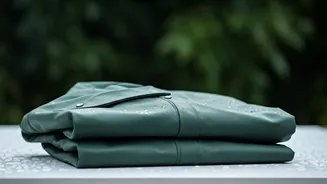
Conventional raincoats and ponchos are often made from non-biodegradable PVC, which contributes to plastic pollution. The green shift involves opting for rain jackets made from more sustainable materials. Several brands now offer rainwear crafted from recycled
polyester (rPET), which is derived from used plastic bottles. This process not only diverts plastic from landfills but also uses significantly less energy than producing virgin polyester. Look for jackets with durable, non-toxic waterproof coatings that are free from harmful PFCs (per- and poly-fluorinated chemicals), ensuring both your protection and environmental health. These eco-friendly options are designed for longevity, challenging the throwaway culture associated with cheap rain gear.
The Upcycled Umbrella
An umbrella is a monsoon must-have, but flimsy ones that break in the first strong gust of wind add to our waste problem. The sustainable alternative lies in durability and materials. Look for umbrellas with canopies made from rPET fabric, transforming plastic bottle waste into a functional, water-repellent shield. Some eco-conscious companies also use frames made of bamboo or recycled steel, which are renewable or recyclable materials. Investing in a well-built, wind-resistant umbrella from a brand that values longevity means you won't need to replace it every season, reducing waste over time.
Eco-Conscious Footwear
Soggy shoes are a monsoon menace, and plastic or synthetic footwear, while waterproof, can be bad for your feet and the planet. A growing number of Indian brands are offering stylish and sustainable alternatives. Look for footwear made from upcycled rubber, cork, or natural rubber, which are waterproof and eco-friendly. Brands are creating everything from casual slip-ons to sandals using materials like recycled tyres and organic canvas. These options are often more breathable than their plastic counterparts, preventing odours and fungal infections, making them a healthier choice for your feet during the damp season.
Waterproof and Planet-Friendly Bags
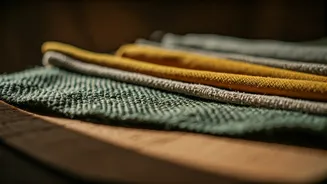
Protecting your belongings from the downpour doesn't have to mean resorting to plastic bags. There is a wide range of waterproof bags made from sustainable materials. Water-resistant canvas backpacks are a great option for daily commutes, offering durability without the plastic. For a truly unique and eco-friendly choice, consider bags made from hemp, a highly sustainable crop that results in naturally durable and antibacterial fabric. Some innovative Indian startups are even creating leather alternatives from materials like coconut water and pineapple leaves, which are water-resistant and biodegradable.
Natural Home Protection
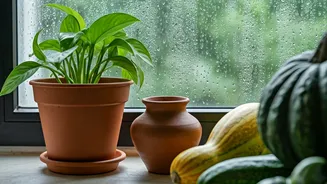
The monsoon brings dampness and mosquitoes into our homes. Instead of chemical-laden repellents and moisture absorbers, you can turn to natural solutions. To combat mosquitoes, consider bringing plants like marigold, tulsi (holy basil), lemongrass, and rosemary into your home; their natural scents are known to repel insects. You can also use essential oils like citronella, lavender, and eucalyptus to create homemade, non-toxic repellent sprays. For tackling dampness and preventing mould, use natural dehumidifiers like rock salt or invest in a quick-drying stone bath mat that absorbs water instantly.