




The Annual Regulatory Gauntlet
Every year, as air quality plummetss, the Commission for Air Quality Management (CAQM) implements the Graded Response Action Plan (GRAP). For transport operators, this is a critical period. As of October 21, 2026, Stage I of GRAP was invoked across the region.
A significant measure, effective from November 1, is the ban on commercial vehicles with BS-IV or older emission standards from entering Delhi. This rule forces logistics companies to rely exclusively on their newer BS-VI compliant, CNG, or electric vehicles for operations within the capital, severely disrupting supply chains for those with mixed-age fleets. The rules extend to inter-state buses as well, which must now be BS-VI or cleaner to enter the NCR even under Stage I restrictions.
The Costly Push for Modernization
The most direct adaptation is upgrading the fleet, but it's also the most expensive. The push is towards BS-VI diesel trucks, CNG vehicles, and, increasingly, electric trucks. However, the capital expenditure is immense. A new electric truck can cost multiples of a diesel counterpart, a prohibitive expense for many small and medium-sized operators. To ease this burden, the government has introduced incentive schemes. One such two-year 'Parivartan' scheme offers interest subventions on loans, tax concessions, and discounts from manufacturers for scrapping old trucks and purchasing new, cleaner ones. Despite these incentives, the transition is slow and places immense financial pressure on transporters who must balance compliance with commercial viability.
Logistical Acrobatics and Rerouting
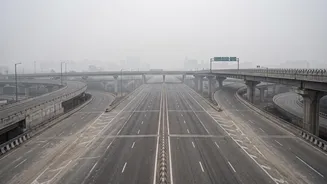
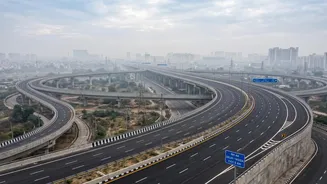
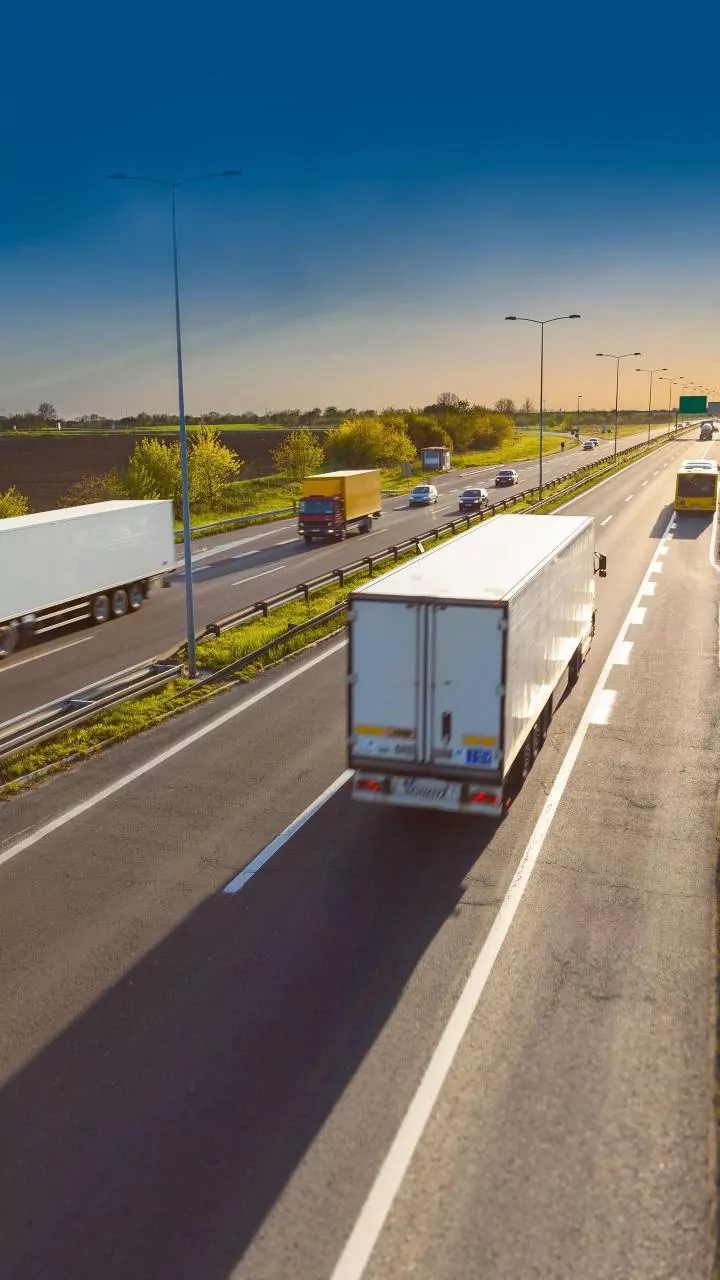
For companies unable to overhaul their entire fleet, adaptation becomes a game of strategy. A primary tactic is rerouting. Non-compliant trucks destined for areas outside Delhi are increasingly using the Eastern and Western Peripheral Expressways to bypass the city entirely, a measure enforced under GRAP. Recent studies show that most trucks entering Delhi are not merely transiting but have the capital as their final destination, making bypass routes only a partial solution. This has led to the development of logistics hubs and Urban Consolidation Centres on the city's periphery. The idea is for older, long-haul trucks to unload at these hubs, with last-mile delivery inside the city being handled by smaller, compliant vehicles like electric or CNG vans.
Technology as a Compliance Co-Pilot
Modern logistics software has become an indispensable tool for navigating the complex rules. Fleet management systems allow companies to track their vehicles in real-time, ensuring that only compliant trucks enter restricted zones. Advanced routing algorithms help in planning the most efficient paths that avoid no-go areas and minimize fuel consumption. This technology also helps prove compliance, with digital records of vehicle standards and routes. Furthermore, rules like 'No PUCC, No Fuel', which deny fuel to vehicles without a valid Pollution Under Control Certificate, are more easily managed by companies that maintain meticulous digital records of their fleet's compliance status.
The Human and Economic Ripple Effect
These adaptive measures are not without consequences. For transport operators, the costs are significant—from investing in new vehicles to increased operational overheads from complex routing. These costs are often passed down the supply chain, potentially leading to higher prices for consumers. For individual truck drivers, the restrictions can mean reduced trips, longer hours spent on rerouted journeys, and uncertainty about their livelihood, especially for owner-operators of older vehicles. While they often support the goal of cleaner air, many feel the implementation lacks sufficient notice and support, leaving them to bear the immediate financial brunt of the environmental policies.