


The 'Green Season' Advantage
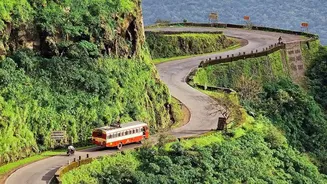
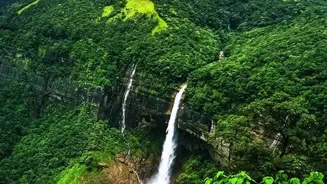
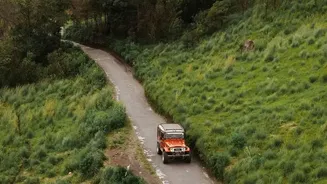
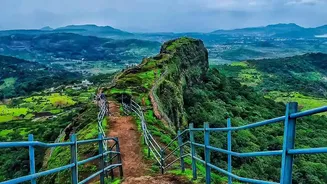
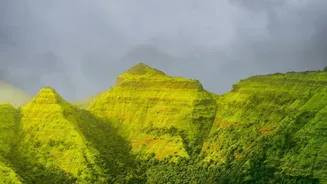
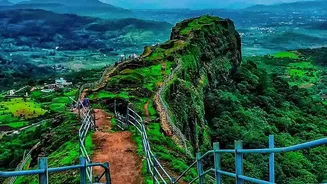
Traditionally seen as a shoulder season, the post-monsoon period is now being celebrated as the 'green season'. This is when India is at its most vibrant. The countryside is blanketed in fresh greenery, waterfalls are at their most powerful, and the air
is crisp and clean. After months of rain, landscapes in regions like the Western Ghats and the Himalayan foothills are exceptionally lush and photogenic. Temperatures become milder and more comfortable for sightseeing, creating a perfect balance between the oppressive heat of summer and the chilly onset of winter. This window offers the beauty of the monsoon's aftermath without the travel disruptions, providing a serene and visually stunning backdrop for any holiday.
Southern Serenity: Kerala and Karnataka
South India, in particular, comes alive after the rains. In Kerala, the backwaters are full and serene, making it an ideal time for a houseboat journey through the emerald waterways. The tea plantations of Munnar, freshly washed by the rain, appear to glow under the soft sun, offering breathtaking views and a tranquil atmosphere. Similarly, Coorg in Karnataka is a paradise of coffee plantations, mist-covered hills, and roaring waterfalls like Abbey Falls. It's a prime time for nature walks and trekking through the Western Ghats, exploring destinations like Kudremukh National Park, which are verdant and full of life.
Mountain Escapes: The Himalayas Reawakened
For those who prefer the mountains, the post-monsoon months are magical. In states like Himachal Pradesh and Uttarakhand, the rains clear the haze, revealing sharp, stunning views of the snow-capped peaks. It’s an ideal time for trekking and other outdoor activities. Destinations like Rishikesh offer pleasant weather for river rafting and spiritual exploration along the banks of a full-flowing Ganges. In Himachal, the Tirthan and Sainj valleys retain their lush greenery long after the rains, with clear rivers and forests of pine and deodar. Further east, the Ziro Valley in Arunachal Pradesh, a UNESCO World Heritage Site, becomes a lush green haven of rice fields and pine-covered hills.
Autumn Colours and Cultural Festivities
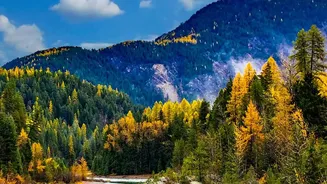
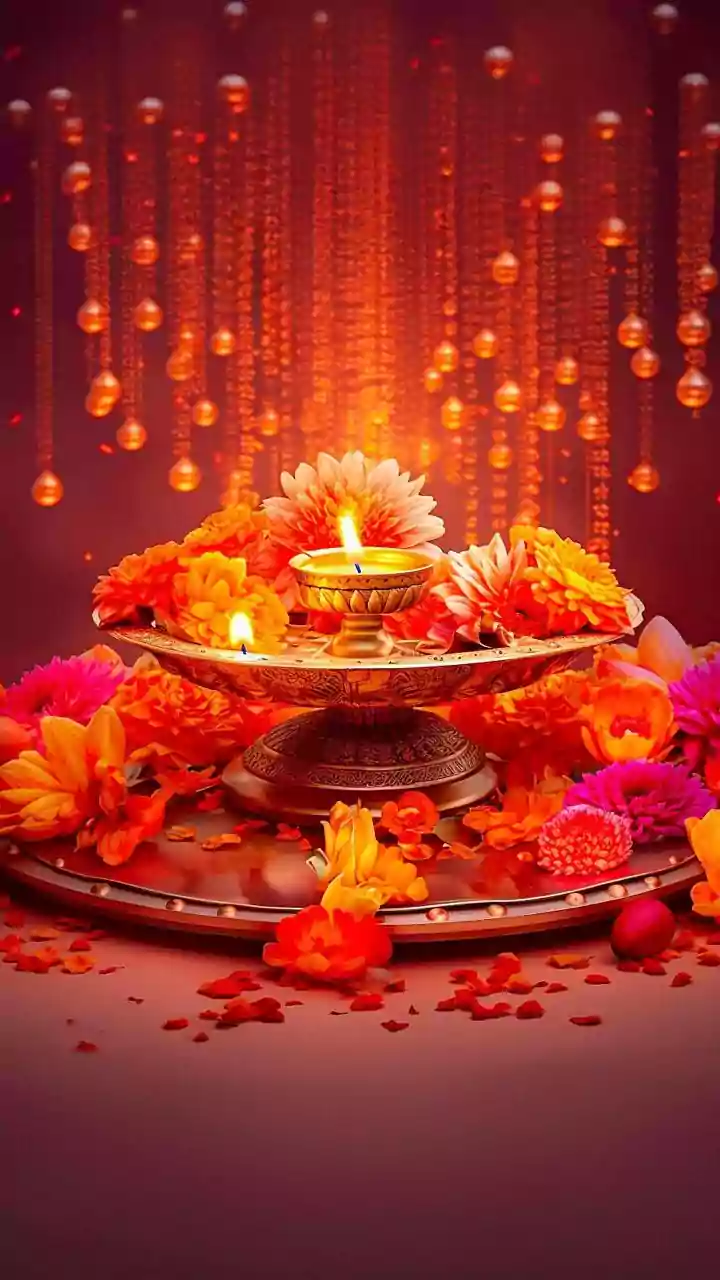
This period is not just about natural beauty; it's also culturally rich. October paints Kashmir in stunning autumn colours, with the iconic chinar trees turning golden and red, framing Srinagar's gardens and lakes beautifully. The season also coincides with some of India’s most important festivals. Navratri and Dussehra are celebrated with great fervour across the country in September or October, while the lead-up to Diwali in November infuses cities with a festive energy. Visiting cities like Mysuru for its grand Dasara celebrations or Varanasi for its riverside rituals can add a memorable cultural dimension to your travels.
The Practical Perks: Fewer Crowds, Better Value
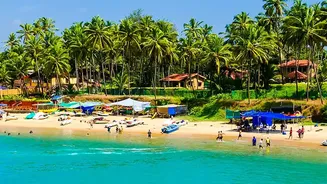
Beyond the scenery and festivals, travelling between September and November has significant practical advantages. As a shoulder season, many popular destinations are less crowded than during the peak winter months of December and January. This allows for a more relaxed and immersive experience, whether you're exploring ancient forts in Rajasthan or lounging on a beach in Goa, where the shacks and watersports begin reopening in October. Fewer tourists can also mean better deals on flights and accommodation, making it a great time for budget-conscious travellers to explore popular spots without the premium price tag.