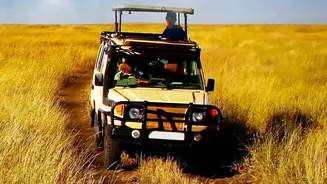







The Law of the Land: NTCA at the Helm
Every safari in an Indian tiger reserve operates under a framework set by the National Tiger Conservation Authority (NTCA). The NTCA is a statutory body tasked with the protection of tigers and their habitats. Its guidelines are the bedrock of all safari regulations,
designed to balance tourism with conservation. The primary goal is to minimize human impact on sensitive ecosystems. This is achieved by defining core and buffer zones. Core areas are critical tiger habitats where protection is paramount, while buffer zones are areas of lesser ecological sensitivity where more activities, including tourism, are permitted. Recent Supreme Court rulings have further reinforced these principles, prohibiting safaris in core areas and directing that they only be established on non-forest or degraded land in buffer zones. These high-level directives are the reason parks have strict limits on vehicle numbers and designated tourist routes.
Why November is a Unique Month
Most tiger reserves in North and Central India close their core areas during the monsoon, typically from July to September or early October. This annual closure serves two critical purposes. Firstly, it's the peak breeding season for many species, and keeping tourist vehicles out reduces disturbance during this vulnerable period. Secondly, heavy rains make the unpaved forest tracks unsafe and impassable. The break allows the forest to rejuvenate and gives authorities time to repair damaged routes. November, therefore, is a transitional month. Many parks reopen their core zones fully around October 1st, while others, like the famous Dhikala zone in Corbett National Park, traditionally open later, around mid-November. The forest is incredibly lush and green, which can make sightings a bit more challenging as the dense vegetation provides excellent cover for tigers. However, the post-monsoon landscape is spectacular.
Decoding Common Safari Rules
The rules you encounter on a safari are direct applications of conservation policy. The limit on the number of vehicles per zone, known as the 'carrying capacity', is a crucial NTCA guideline to prevent overcrowding and stress on wildlife. The mandatory presence of a registered guide ensures that vehicles stick to designated trails and that visitors behave responsibly. Getting out of the vehicle is strictly forbidden for safety and to avoid disturbing animals in their natural habitat. Even rules that seem minor, like the recent ban on using mobile phones in some core tourism zones, are based on environmental concerns, aiming to reduce disruptive behaviour and ensure the focus remains on the wildlife experience. These rules aren't meant to spoil the fun; they are in place to protect the animals and ensure the long-term viability of tourism.
How Regulations Differ by Reserve
While the NTCA provides the overarching framework, individual states and parks have their own specific operational rules. This is why safari booking procedures and timings can vary significantly. For instance, parks in Madhya Pradesh release their permits 120 days in advance, and they sell out within minutes. Ranthambore in Rajasthan also has a highly competitive online booking system for its different zones. Some parks, like Tadoba in Maharashtra, have a reputation for being open longer, with some buffer zones accessible even during the monsoon. In November, you might find that certain zones within a park like Corbett are open while others are still undergoing track repairs and will open later in the month. This variation is a response to local ecological conditions, weather patterns, and administrative decisions, all within the bounds of national conservation laws. It’s always essential to check the specific opening dates and rules for the park you plan to visit.