






What Are Portable Solar Sheets?
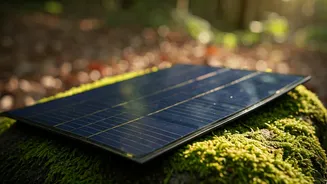
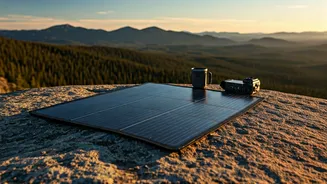
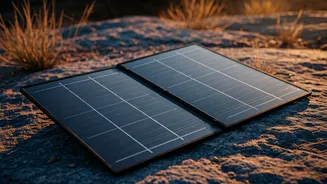
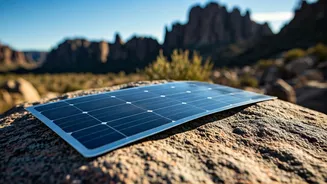
Imagine a flexible, foldable mat that you can pack in a backpack, lay out in the sun, and use to charge your smartphone, power bank, or camera. That's a portable solar sheet in a nutshell. Unlike rigid, heavy solar panels designed for rooftops, these
are made for life on the move. They consist of lightweight photovoltaic cells embedded in a durable, often weather-resistant fabric. Most come with built-in USB ports, allowing you to directly plug in your devices and draw power straight from the sun. They are the ultimate companions for trekkers, campers, remote workers, and anyone needing a reliable power source during an unexpected outage.
Choosing the Right Solar Sheet
Not all solar sheets are created equal. When shopping for one, the most important specification to check is its wattage (W). A higher wattage means faster charging. For example, a 10-15W panel is usually sufficient for charging a smartphone on a sunny day. If you need to charge larger devices like a tablet or multiple gadgets at once, look for panels in the 20-30W range. Another key factor is portability. Check the folded size and weight to ensure it fits your travel style. Finally, consider the panel type. Monocrystalline panels are generally more efficient (especially in low-light conditions) and durable than their polycrystalline counterparts, though they may come at a slightly higher price. Look for models with at least one USB-A port, and ideally a USB-C port for modern devices.
Best Practice: Pair with a Power Bank
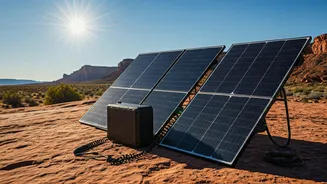
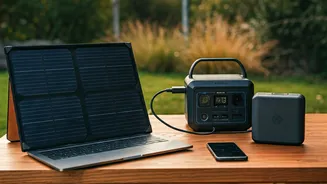
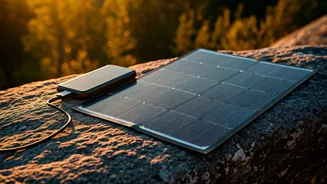
While you can charge your phone directly from a solar sheet, it’s not always the most efficient method. Solar output can fluctuate with passing clouds or changing sun angles, which can stress your device's battery. The smartest way to use a portable solar panel is to connect it to a power bank. Let the panel charge the power bank throughout the day. This creates a stable reservoir of energy. Then, in the evening or whenever you need it, you can use the fully charged power bank to power your devices. This method protects your gadgets from inconsistent power flow and ensures you have a reliable charge ready to go, even after the sun has set. It effectively turns your solar sheet into a personal, portable power station.
Tips for a Faster, Fuller Charge
To get the most out of your solar sheet, you need to think like a sunflower. The panel works best when it's facing direct, unobstructed sunlight. The ideal angle is perpendicular to the sun's rays. Many portable panels come with loops or grommets, allowing you to hang them from your backpack while hiking or tie them to a tent for optimal positioning. Keep the surface of the panel clean; a layer of dust or dirt can significantly reduce its efficiency. A quick wipe with a soft cloth can make a big difference. Also, be aware of heat. While they need sun, solar panels can lose efficiency if they get too hot. If possible, place them in a spot with good airflow to keep them cool.
Beyond the Campsite: Everyday Uses
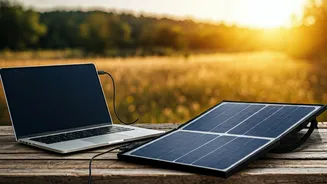
The utility of a portable solar sheet extends far beyond trekking in the Himalayas. In cities prone to frequent power cuts, it provides peace of mind, ensuring you can keep your phone and a small light running. For digital nomads or students, it offers the freedom to work or study from a park bench or a balcony, untethered from a wall socket. They are also invaluable additions to an emergency preparedness kit for any household, providing a lifeline to communication and information when the grid goes down. This small investment delivers a powerful sense of energy independence, making it a practical tool for modern Indian life.