





The Magic and Menace of the Monsoon
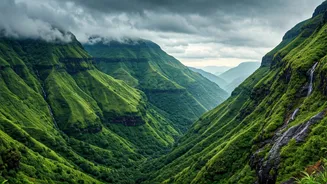
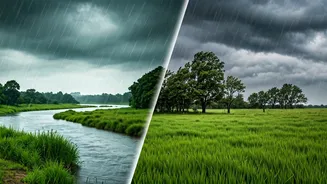
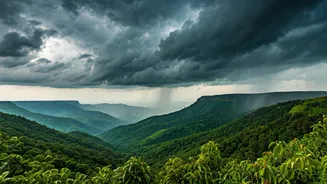
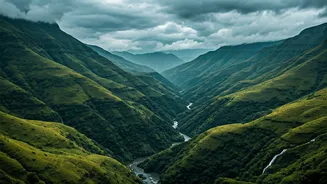
There's no denying the allure of the Western Ghats from June to September. The entire range, spanning states like Maharashtra, Goa, Karnataka, Kerala, and Tamil Nadu, transforms into a vibrant, rain-washed paradise. Waterfalls that are mere trickles in summer
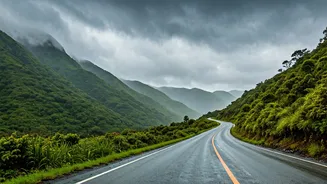
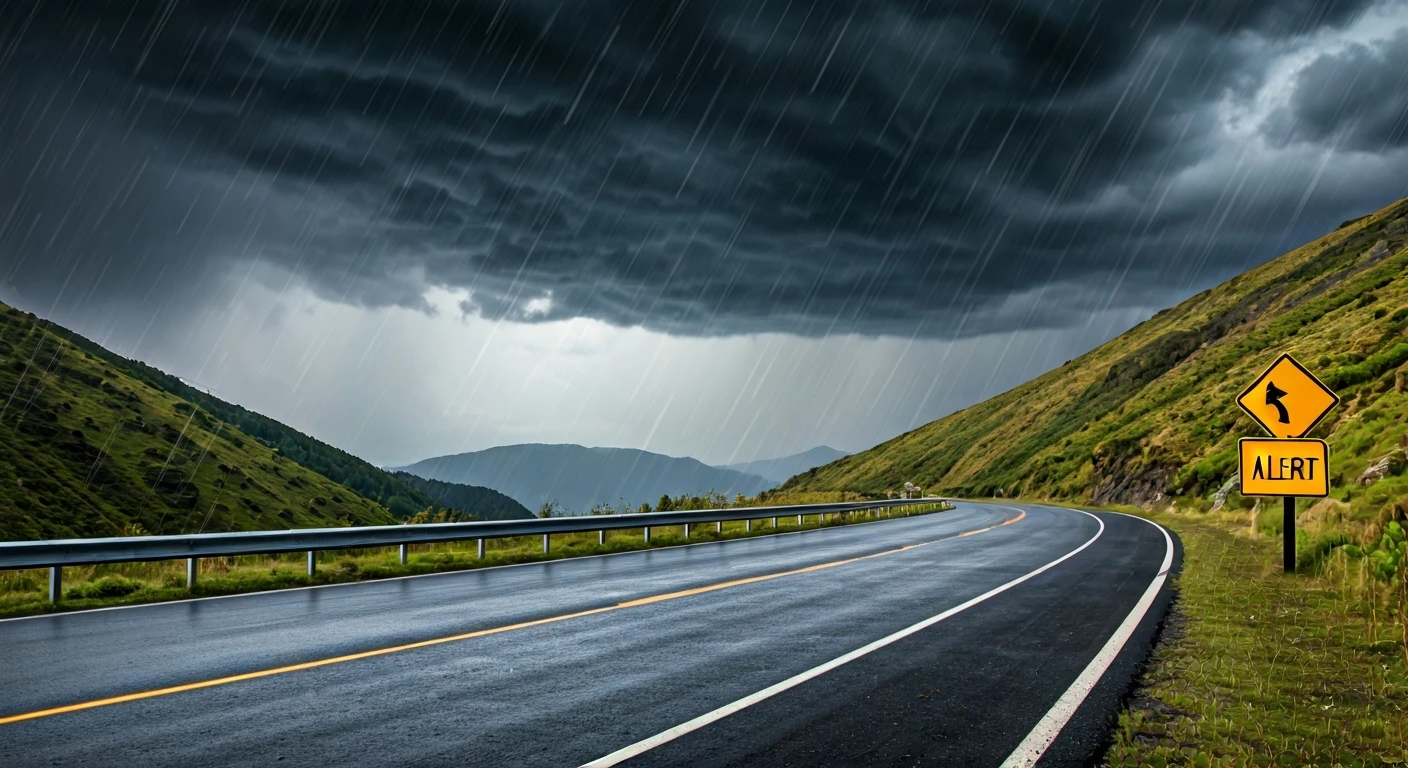
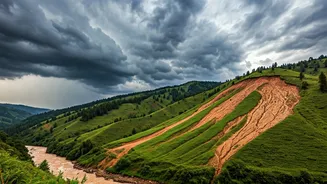
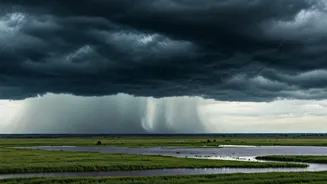
become thunderous cascades, and the landscape is cloaked in mist and every imaginable shade of green. However, this beauty comes with a menacing side. The same rains that bring the scenery to life also saturate the soil, leading to a high risk of landslides, flash floods, and perilous road conditions. Popular tourist spots can become danger zones with little warning, making it essential for travellers to be aware and prepared.
Your First Stop: Official Weather Alerts
Before you book anything, your first port of call should be the India Meteorological Department (IMD). The IMD issues colour-coded warnings—Yellow, Orange, and Red—that are crucial to understand. A Yellow alert advises you to be aware, Orange means be prepared for adverse weather, and a Red alert is a signal to take action, as conditions pose a significant risk to life and property. As of late June 2026, the IMD has issued Orange alerts for very heavy rainfall across Konkan, Goa, Maharashtra, Karnataka, and Kerala. These warnings often specify risks like urban flooding, road closures, and landslides, and should be the primary factor in your decision to travel.
Rethinking Your Itinerary
During heavy rainfall warnings, some destinations are best avoided. Areas with steep ghat sections like Shiradi Ghat and Charmadi Ghat in Karnataka, or the routes to hill stations like Lonavala and Mahabaleshwar in Maharashtra, become particularly treacherous. Authorities often restrict access to high-risk trekking zones and waterfalls, which can experience sudden flash floods. Instead of popular, crowded spots, consider exploring safer alternatives. Guided walks on non-slippery trails, visiting destinations on the relative plains like Jejuri, or exploring heritage sites in drier climates can be great options. Always have a backup plan and check with your hotel about local road conditions before you depart.
Essential Gear and Vehicle Prep
Packing smart is non-negotiable for a monsoon trip. Prioritise function over fashion. A solid rain jacket, waterproof footwear with excellent grip, and a quick-drying towel are basics. Pack extra clothing in waterproof bags to ensure you have something dry to change into. Electronics should be protected in waterproof cases, and a power bank is a must, as power outages can be common. For your vehicle, ensure your tyres, wipers, and brakes are in perfect condition. Driving on winding, slippery ghat roads with poor visibility demands a car that is in top shape.
Safety on the Road and Trail
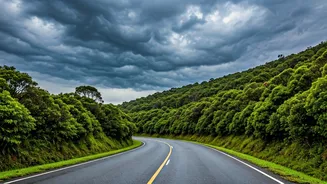
Driving in the Ghats during monsoon requires immense caution. Avoid travelling at night, as visibility can drop to near-zero in fog and heavy rain. Never attempt to cross a flooded road or a fast-flowing stream. Be vigilant for falling rocks, a common hazard on ghat roads. If you plan to trek, go with a local, experienced guide who understands the terrain and weather patterns. Trails can be deceptively slippery, and streams can swell in minutes due to rain miles upstream. Many forest departments officially close trekking routes during the peak monsoon for safety reasons, so always verify accessibility before you go.