





The Instant Gratification Upgrade
There's a reason why changing decorative hardware has become a go-to project for homeowners and renters alike. It’s a low-effort, high-impact update that doesn't require a major budget or timeline. With just a screwdriver and a little bit of time, you
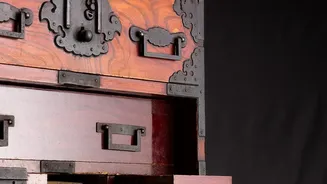
can completely change the personality of a kitchen, bathroom, or piece of furniture. New handles can make builder-grade cabinets look custom, a vintage dresser feel modern, or a drab kitchen feel chic. For renters, it’s an especially appealing, non-permanent way to inject personal style into a space. But while the aesthetic transformation is rewarding, the hardware's daily performance is what truly determines its success.
Beyond Shine: Material and Durability Matter
The material of your hardware is its most important feature, directly impacting its longevity. Solid metals like brass, stainless steel, and bronze are considered premium choices for a reason: they are durable, resist corrosion, and can often last for decades. Cheaper options are often made from zinc alloys or aluminum, which can be plated to look like more expensive metals. While affordable, these are more prone to chipping, tarnishing, or corroding, especially in high-humidity environments like kitchens and bathrooms. Think about how often you touch these pulls and knobs; choosing a robust material ensures they won't need to be replaced again in just a few years, making it a more cost-effective decision in the long run.
Function First: The Feel and Ergonomics
Hardware is one of the most tactile elements in your home, so how it feels in your hand is crucial. Before you buy, test the knob or pull. Is it comfortable to grip? Are there sharp edges that could snag clothing or be uncomfortable for family members with sensitive hands? A trendy, thin pull might look great, but if it's difficult to get your fingers behind, it will become a daily frustration. The weight of the hardware also contributes to a feeling of quality; a solid, heavier piece often signifies better construction than a hollow, lightweight one. Functionality and comfort should never be sacrificed for appearance alone.
Measure Twice, Buy Once
One of the most common and frustrating mistakes is buying hardware with the wrong measurements. For pulls, the most critical dimension is the “center-to-center” measurement—the distance between the two screw holes. If you are replacing existing hardware, matching this measurement exactly will save you from having to drill new holes and patch old ones. Also, consider the pull's overall length in relation to your drawer size; a common guideline is the “one-third rule,” where the pull is about one-third the width of the drawer front for a balanced look. For knobs and pulls, you should also check the “projection”—how far it sticks out from the cabinet. A pull that is too shallow can be hard to use, while one that projects too far can be a hazard in tight walkways.
A Note for Renters
The hardware refresh is a perfect project for renters, but it comes with one golden rule: you must be able to put everything back the way you found it. This means choosing new hardware that fits the existing drill holes perfectly. Avoid any new style that would require you to drill additional holes. When you remove the original knobs and pulls, carefully wrap them and store them in a clearly labelled bag. Keep them somewhere safe and easy to find, like taped to the inside of a kitchen cabinet. When it's time to move out, you can quickly and easily swap the original hardware back on, leaving no trace of your update and ensuring you get your security deposit back.