




What Exactly Is a Clay Wall Finish?
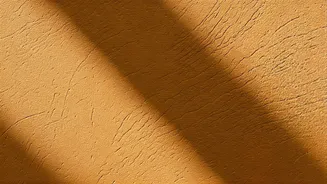
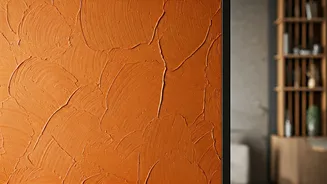
Imagine a wall that feels as natural as it looks. That’s the essence of a clay wall finish. Unlike paint or wallpaper, this is a type of plaster made from a simple, time-tested recipe: clay, sand, and natural pigments. Sometimes, strengthening fibres
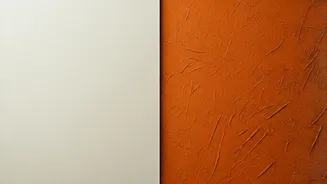
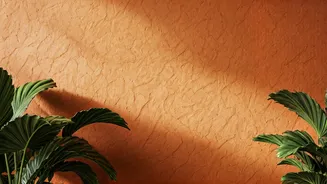
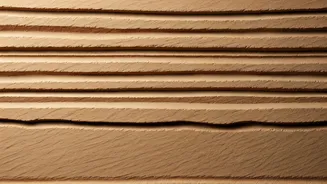
like straw are added. Applied by hand with a trowel, it creates a surface that is subtly textured, rich in colour, and deeply connected to nature. Terracotta finishes, specifically, use clays with high iron oxide content, giving them their characteristic warm, reddish-brown tones reminiscent of ancient pottery and sun-baked earth. However, pigments can be added to create a wide spectrum of colours, from soft neutrals to deep, moody hues.
The Eco-Friendly Advantage
The word “eco-friendly” gets thrown around a lot, but here it truly applies. Traditional wallpapers, particularly vinyl-based ones, often contain PVC (polyvinyl chloride), which has a significant environmental footprint during its production and disposal. The adhesives used can also release volatile organic compounds (VOCs) into the air. Clay finishes, by contrast, are made from abundant, natural materials. They are minimally processed, non-toxic, and completely biodegradable. At the end of their long life, they can essentially return to the earth without causing harm. This makes them a circular and responsible choice for anyone looking to reduce their home's environmental impact.
Creating a Healthier Home Environment
A beautiful home should also be a healthy one. Clay walls are 'breathable,' meaning they can absorb excess moisture from the air and release it when the air becomes dry. This natural humidity regulation helps prevent the stuffy conditions that can lead to mould and mildew growth, which are common issues in sealed-off modern homes. Unlike many conventional paints and wallpapers, natural clay plasters are free from VOCs and synthetic chemicals. For families, especially those with children or individuals with allergies and respiratory sensitivities, this creates significantly better indoor air quality. It’s a finish that works with your home’s ecosystem, not against it.
Aesthetics and Timeless Appeal
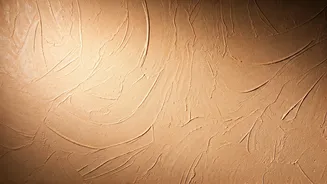
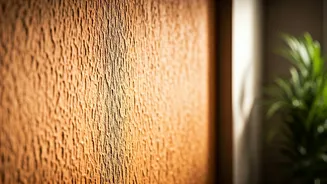
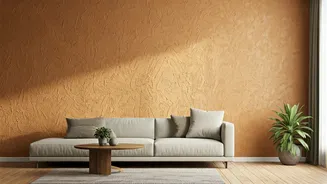
Beyond its green credentials, terracotta clay is simply beautiful. It offers a soft, matte finish that absorbs light rather than reflecting it, creating a sense of calm and warmth. The subtle variations in texture and tone, a result of hand-application, mean that no two walls are exactly alike. This unique, artisanal quality adds character and a layer of sophistication that mass-produced wallpaper struggles to replicate. Whether you’re aiming for a rustic, wabi-sabi aesthetic, a minimalist modern look, or a warm Mediterranean vibe, the versatility of clay allows it to complement a vast range of interior styles. It’s a finish that feels both ancient and completely contemporary.
Durability and Practical Considerations
Wallpaper can peel, bubble, and tear, often requiring complete replacement for minor damage. Clay finishes are incredibly durable and resistant to fading. If a scratch or chip does occur, it can usually be repaired seamlessly with a small amount of leftover material, making it a more forgiving and long-lasting option. It’s important to note that application is a skilled craft, and for the best results, it’s often wise to hire a professional experienced with natural plasters. While the initial cost can be higher than for some wallpapers, its longevity and low maintenance requirements make it a worthwhile investment over the lifespan of your home. It’s not just a decorative layer; it’s an integral, durable part of the wall itself.