



The Breakfast Blood Sugar Connection
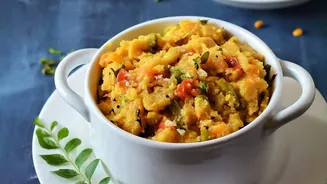
Many common Indian breakfast choices, like poha, upma, or toast, are primarily made of carbohydrates. While delicious and comforting, a carb-heavy meal is digested quickly, leading to a rapid spike in blood glucose followed by a sharp drop. This 'crash'
is what leaves you feeling tired, unfocused, and hungry long before lunchtime. Protein, on the other hand, is digested much more slowly. Including it in your breakfast helps to slow down the absorption of carbohydrates, which prevents those sudden blood sugar spikes. The result is a more gradual and sustained release of energy, keeping you feeling full and stable for hours.
The Power of a Protein-First Morning
Aiming for 15-25 grams of protein at breakfast is a powerful strategy for better energy and health. This habit not only helps with blood sugar control but also promotes satiety, which can reduce overall calorie intake and support weight management. Studies have shown that a high-protein breakfast can lead to lower glucose spikes after both breakfast and even lunch, a benefit known as the 'second meal effect'. For vegetarians, hitting this target might seem challenging, but the Indian kitchen is full of excellent, accessible protein sources that require minimal effort to incorporate.
Simple Ways to Boost Your Usual Breakfast
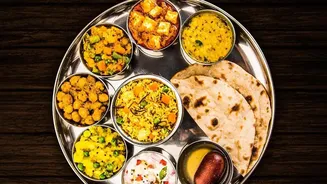
You don't need to completely overhaul your morning routine. Often, the easiest approach is to add a protein source to what you already enjoy. A plate of poha or upma, which typically has only 5-8 grams of protein, can be significantly improved. Try adding a generous handful of peanuts, topping it with a scoop of seeds, or pairing it with a simple bowl of curd on the side. Another effective strategy is to crumble fresh paneer or tofu and mix it into dishes like paratha fillings or savory oats. Even switching your morning juice for a glass of milk or buttermilk can add a valuable protein boost.
Quick High-Protein Vegetarian Ideas
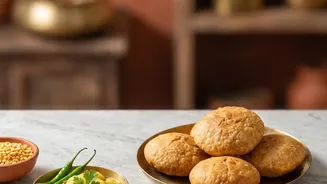
For mornings when you want a breakfast built around protein, here are a few simple and quick options: Paneer or Tofu Bhurji: A scramble made with crumbled paneer or tofu, onions, tomatoes, and spices is a classic high-protein breakfast. A 100g serving of paneer provides around 18-20g of protein. Enjoy it with a whole-wheat roti or toast. Moong Dal or Besan Chilla: These savoury pancakes are a staple in many Indian homes. Chillas made from moong dal or besan (gram flour) are naturally rich in protein. Two medium-sized moong dal chillas can provide about 11-13g of protein, which can be further increased by adding a paneer filling. Hung Curd or Greek Yogurt Bowl: Strained curd has two to three times the protein of regular curd. A 200g bowl can offer 15-20g of protein. Top it with fresh fruit, nuts, and seeds like chia or flax for added fibre and healthy fats. Sattu Paratha or Smoothie: Sattu, or roasted gram flour, is a protein powerhouse from eastern India. It can be used as a filling for parathas or blended into a smoothie with yogurt and spices for a quick, filling, and protein-dense meal.
Plan Ahead for Success
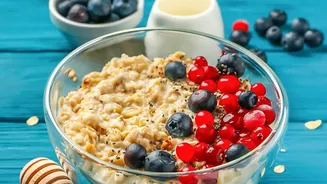
The key to a consistent high-protein breakfast routine is a little bit of planning. Prepare chilla batter the night before, or make a batch of hung curd over the weekend. Sprouts can be prepared in advance and turned into a quick chaat with chopped vegetables and spices. For a very fast option, overnight oats made with milk or soy milk, a scoop of protein powder, and topped with seeds can be prepared in a jar and grabbed on your way out the door. By making these small adjustments, you can easily transform your breakfast from a simple meal into a powerful tool for managing your energy and health throughout the day.