



The Annual Monsoon Challenge
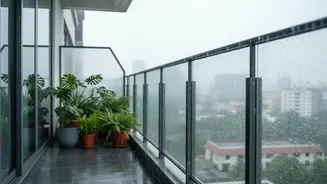
Every year, apartment gardeners face the same dilemma. The joy of nurturing a green oasis is met with the anxiety of the approaching monsoon. Torrential downpours can lead to a host of problems that go far beyond a little extra water. Pots become waterlogged,
leading to root rot, one of the fastest killers of container plants. The constant dampness creates a perfect breeding ground for fungal diseases like powdery mildew, while essential nutrients are simply washed away from the soil. Add to that the physical damage from strong winds, and the dream of a thriving balcony garden can quickly turn into a soggy, disheartening mess.
Moving Beyond Makeshift Solutions
For years, the go-to solutions have been clumsy and often ineffective. Many gardeners resort to wrestling with large, unwieldy tarpaulin sheets, trying to secure them against the wind. Others might move all their pots indoors, depriving them of light and creating a mess. While these methods offer some protection, they are temporary, labour-intensive, and often unsightly. Tarps can block too much light, and neither solution offers the flexibility needed to manage the varied intensity of monsoon weather, which can range from a light drizzle to a full-blown cyclonic storm.
Enter Modular Rain-Proofing
Modular rain-proofing systems offer a modern, elegant, and far more effective alternative. The term doesn't refer to a single product, but rather a category of solutions built on a simple, brilliant principle: adaptability. These systems typically consist of a lightweight, rust-proof frame (often made of aluminum or PVC) and durable, transparent or translucent panels. The most popular panel material is polycarbonate, a type of thermoplastic known for being lightweight, incredibly impact-resistant, and offering UV protection. Other options include clear PVC sheets or specialized outdoor fabrics. The 'modular' aspect means they can be easily assembled, configured to fit balconies of any size, and partially or fully removed as needed.
The Key Benefits: Flexibility and Control
The primary advantage of a modular system is the control it gives back to the gardener. Unlike a fixed roof or a heavy tarp, these systems can be adjusted. You can have panels in place to shield plants from a heavy downpour while still allowing ample ambient light to pass through. This prevents the dual problems of overwatering and insufficient sunlight. The panels also act as an effective windbreak, protecting delicate stems and leaves from being battered. Because they are designed as a system, they are far more secure and visually appealing than DIY fixes. Their lightweight nature means they don't place undue stress on the balcony structure, a key safety consideration for apartment living.
Choosing the Right System
When considering a modular system, whether buying a pre-fabricated kit or building your own, a few factors are crucial. For the frame, choose a material that will not rust, such as aluminum, galvanized steel, or high-grade PVC. For the panels, clear polycarbonate sheets are an excellent choice as they are virtually unbreakable and block harmful UV rays without sacrificing light. Ensure the design allows for adequate air circulation to prevent humidity buildup, which can encourage fungal growth. Also, consider accessibility. The system should allow you to easily water and tend to your plants without having to dismantle the entire structure. Many opt for retractable zip screens or blinds made of transparent PVC for a balance of protection and ease of use.