
Meet the Cruciferous Powerhouses
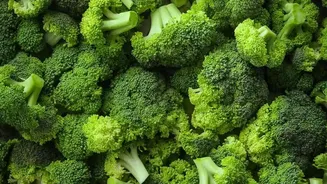
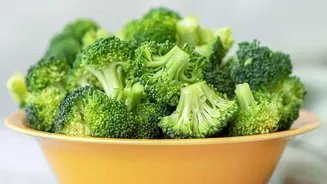
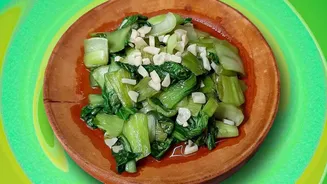
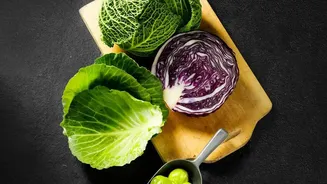
First, let's talk about what makes these vegetables so special. The cruciferous family includes a wide range of popular greens: broccoli, cauliflower, kale, cabbage, bok choy, and Brussels sprouts. They are celebrated for being rich in vitamins, fibre,
and unique plant compounds. The most famous of these are glucosinolates. When you chop or chew these vegetables, an enzyme called myrosinase converts glucosinolates into various active compounds, most notably sulforaphane. Sulforaphane is the bioactive compound linked to many of the antioxidant and health-promoting properties that make these greens famous.
The Steaming Advantage: Gentle and Effective
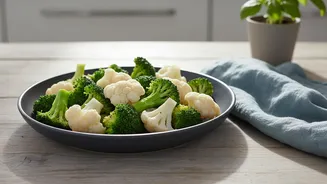
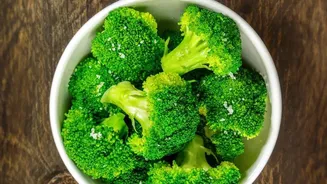
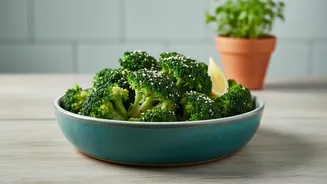
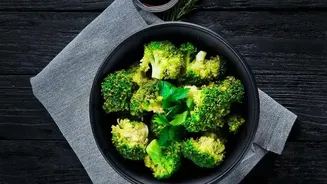
When it comes to preserving these delicate compounds, steaming is widely considered the best method. Research consistently shows that steaming has a minimal impact on key nutrients. One study found that steaming broccoli caused no significant loss of Vitamin C, whereas other methods led to considerable declines. It's a gentle cooking method that uses indirect, moist heat. Because the vegetables aren't submerged in water, water-soluble nutrients like Vitamin C and B vitamins are less likely to leach out. Crucially, steaming is also effective at preserving glucosinolates, the precursors to beneficial sulforaphane. This gentle process ensures that when you take a bite, you're getting a much higher concentration of the good stuff.
The Issue with Oil and High Heat
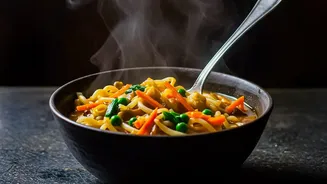
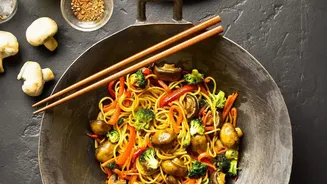
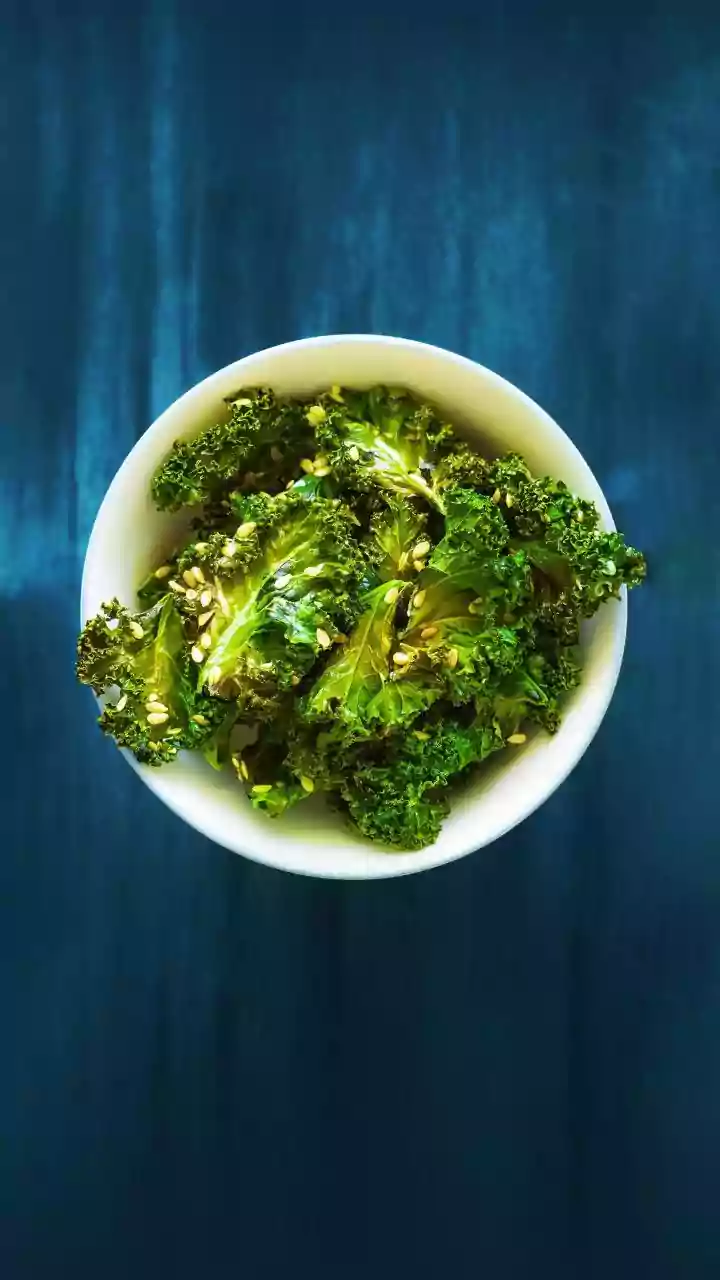
Cooking with oil, such as in stir-frying or roasting, presents a different story. While these methods are prized for the delicious flavour and texture they create, they can be harsh on nutrients. High temperatures can degrade heat-sensitive vitamins and enzymes. Studies on broccoli show that popular methods like stir-frying can cause significant losses of both Vitamin C and the all-important glucosinolates. For example, one analysis found stir-frying and a combination of stir-frying and boiling led to the highest loss of total glucosinolates. The addition of oil also, of course, adds extra calories and fat to an otherwise low-calorie food. While some fats can help with the absorption of fat-soluble vitamins, the trade-off is a lower overall nutrient retention compared to steaming.
How Other Cooking Methods Stack Up
To get a full picture, it helps to see how steaming compares to other common techniques. Boiling is often considered the worst offender; submerging vegetables in hot water can cause a massive loss of water-soluble vitamins and glucosinolates, with some studies suggesting up to 90% of certain nutrients are lost. Microwaving, when done with very little water, is surprisingly effective at retaining nutrients and can be comparable to steaming. Roasting, which uses dry, high heat, is better than boiling but can still lead to the degradation of heat-sensitive compounds. Steaming consistently emerges as the method that best protects the broad spectrum of nutrients found in cruciferous vegetables.
How to Steam for Maximum Benefit
Ready to make the switch? Steaming is simple. You don't need fancy equipment; a metal colander or sieve placed in a pot with a lid works just as well as a dedicated steamer basket. Add about an inch of water to the pot, bring it to a boil, and place your chopped vegetables in the basket above the water. Cover the pot and steam for 5-7 minutes. The goal is 'tender-crisp'—the vegetables should be bright in colour and easily pierced with a fork, but still have a slight bite. Over-steaming will turn them mushy and can start to degrade the nutrients you're trying to preserve. Once cooked, toss your steamed greens with a drizzle of olive oil, a squeeze of lemon, and your favourite herbs and spices for a flavourful and nutritionally optimized side dish.