


Why This Recipe Is an Internet Sensation
The beauty of this viral recipe lies in its sheer simplicity. In a world of complex cooking, a dessert that requires only mangoes, condensed milk, and heavy cream feels like a welcome relief. There's no need for a fancy ice cream maker, no complicated
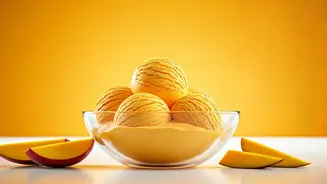
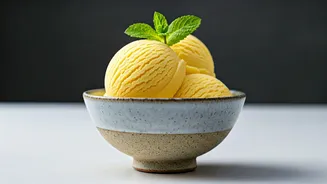
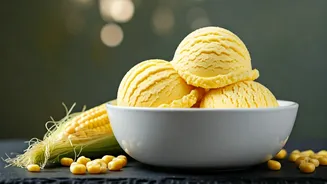
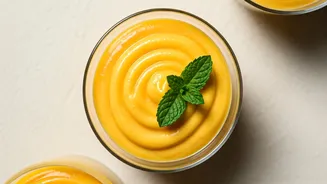
custard to prepare, and no eggs involved. The process is straightforward: whip, fold, and freeze. This accessibility means anyone can achieve a rich, homemade ice cream that rivals store-bought versions. The vibrant, sunny colour is also highly shareable on social media, contributing to its viral spread. The result is a dessert that tastes intensely of real mango, a flavour profile that's hard to find in commercial products. It’s a celebration of summer in a bowl, made effortlessly in your own kitchen.
The Magic Trio of Ingredients
The success of this ice cream hinges on three key components working in harmony. First, ripe, flavourful mangoes are essential. For Indian audiences, varieties like Alphonso or Kesar are highly recommended for their natural sweetness, smooth texture, and minimal fibre, which results in a silky-smooth puree. Next is a can of sweetened condensed milk. This ingredient is crucial as it provides sweetness and, more importantly, lowers the freezing point of the mixture, preventing large ice crystals from forming and ensuring the ice cream stays soft and scoopable. The final ingredient is cold heavy whipping cream. When whipped to stiff peaks, it incorporates air into the base, giving the ice cream its light, airy, and creamy structure. Using full-fat cream (at least 35%) is non-negotiable for achieving the correct texture.
Step-by-Step: Your Guide to Creamy Perfection
Ready to make your own? Here’s the fundamental method that most viral recipes follow. First, prepare your mangoes. You’ll need about two large, ripe mangoes to yield around two cups of puree. Peel and chop them, then blend until completely smooth. For an even more intense mango flavour, some cooks recommend simmering the puree on the stove to reduce it by half, which concentrates the flavour and removes excess water. Allow the puree to cool completely. In a separate, chilled bowl, use a hand mixer or stand mixer to whip two cups of cold heavy cream until stiff peaks form. Be careful not to over-whip, or you’ll start making butter. In a large bowl, combine your cooled mango puree with one can (about 400g) of sweetened condensed milk. Gently fold a scoop of the whipped cream into the mango mixture to lighten it. Then, carefully fold the mango mixture back into the remaining whipped cream until just combined, being careful not to deflate the air. Pour the final mixture into a loaf pan or freezer-safe container, smooth the top, and freeze for at least 8-12 hours until firm.
Pro Tips for the Best Possible Scoop
While the recipe is simple, a few expert tricks can elevate your ice cream from good to great. Always use very cold cream and chill your mixing bowl and beaters beforehand; this helps the cream whip up faster and hold its volume. To prevent ice crystals from forming on the surface, press a piece of parchment paper or plastic wrap directly onto the surface of the ice cream before covering the container. When it's time to serve, let the container sit at room temperature for 5-10 minutes. This will soften it just enough for perfect, smooth scoops. If your mangoes aren't perfectly sweet, you can adjust the sweetness, but remember that the condensed milk adds significant sweetness on its own. Finally, don't be afraid to taste as you go to ensure the balance of flavours is just right before you freeze.
Easy and Fun Variations
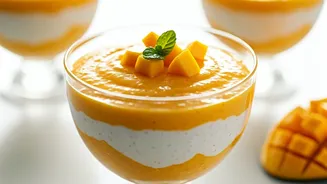
Once you've mastered the basic recipe, it becomes a fantastic canvas for creativity. For a classic Indian touch, fold in a pinch of saffron or a quarter teaspoon of cardamom powder along with the mango puree. A sprinkle of chopped pistachios or almonds on top before freezing adds a delightful crunch and visual appeal. For a bit of tang, a squeeze of fresh lime juice into the mango puree can brighten the flavour. You can also create a swirl effect by not fully mixing in the mango puree at the end, leaving ribbons of pure mango throughout the creamy base. Some recipes even suggest adding small, finely diced mango pieces into the final mixture for a textural surprise.