







The Generation Running on Fumes
Millennial burnout isn't just a buzzword; for many, it's a chronic state of being. This is the generation that entered the workforce during the Great Recession, navigated the gig economy's instability, and was told to "hustle harder" to get ahead. Studies
confirm the strain, with a majority of millennials reporting symptoms of burnout like exhaustion and a lack of motivation. They've followed the prescribed path—education, ambition—only to find themselves saddled with financial pressures and the psychic weight of being perpetually connected through technology. The result is a generation that feels physically, emotionally, and mentally exhausted, creating a powerful craving for genuine, uninterrupted rest.
Enter 'Sleep Tourism'
Sleep tourism is the intentional act of traveling for the primary purpose of improving your sleep. It's a direct response to the kind of vacation that requires its own recovery period. Instead of sightseeing and nightlife, the itinerary is built around rest. This goes far beyond a hotel with a comfortable mattress. True sleep tourism involves structured programs, often including consultations with sleep coaches, guided meditation, soundproofed rooms, and strict digital detoxes. The entire environment is engineered to calm the nervous system and reset the body's natural sleep-wake cycle. It reframes rest not as a luxury or a moment of laziness, but as the main event—a targeted solution to a modern problem.
Why Indian Hill Stations?
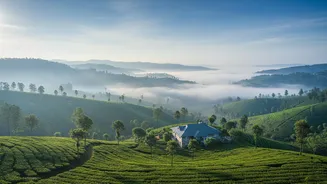
While a sleep-focused hotel could be anywhere, the choice of quiet Indian hill stations like those in Kerala or the Himalayas is deliberate. For American travelers, these locations offer a profound sense of disconnection. The physical distance and time difference create a powerful barrier against the pressures of life back home. These regions are also steeped in centuries-old wellness traditions like Ayurveda, yoga, and meditation, which are often integrated into sleep programs. The natural environment itself—cool mountain air, misty tea estates, and immense quiet—becomes a key part of the therapy. And from a practical standpoint, the favorable exchange rate can make a week-long, all-inclusive wellness retreat in India more accessible than a comparable luxury program in the U.S. or Europe.
More Than Just a Long Nap
A sleep tourism package in India is not about indulging in 12-hour lie-ins. It's a structured re-education in the art of rest. Days might be scheduled with activities designed to promote sleep, such as morning yoga to align the body's clock, specific anti-inflammatory diets, afternoon meditation, and tech-free evenings. Some retreats offer consultations to diagnose underlying sleep disruptors, from stress to poor breathing habits. The goal isn't just to catch up on missed sleep during the trip, but to arm travelers with new routines and a deeper understanding of their own needs so they can maintain healthier patterns back home. It's a proactive investment in well-being, treating the root cause of fatigue rather than just the symptoms.