





Start with the FSSAI Logo
Before you check anything else, look for the FSSAI logo and license number. In India, this is a non-negotiable mark of safety and compliance. The Food Safety and Standards Authority of India sets rules to ensure products are safe for consumption, manufactured
in a certified facility, and tested for contaminants like heavy metals. Recent crackdowns on misleading claims make this check more important than ever. If a product doesn't have a visible FSSAI license, it's best to leave it on the shelf.
Protein Source: Whey, Casein, or Plant?
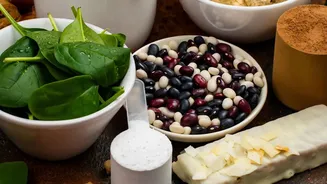
The first ingredient on the list tells you what the protein is made from. The most common source is whey, a fast-digesting milk-based protein ideal for post-workout recovery. Casein, another milk protein, digests slowly, making it great for keeping you full or for overnight muscle repair. Plant-based options like pea, soy, or rice protein are excellent for vegans or those with dairy sensitivities. Many brands blend different plant sources to create a complete amino acid profile, so don't be afraid to see a mix.
The Form: Concentrate, Isolate, or Hydrolysate?
You'll often see whey protein described in one of three ways. Whey Concentrate is the most common and affordable, containing about 70-80% protein with some fats and carbs. Whey Isolate is further filtered to remove most fats and lactose, resulting in a higher protein content (around 90%) and fewer calories, making it ideal for those on a strict diet or with mild lactose intolerance. Whey Hydrolysate is 'pre-digested', breaking the protein into smaller parts for the fastest absorption, which is great for elite athletes or those with sensitive stomachs, but it's also the most expensive option.
Decoding the Nutrition Facts Panel
This is your scorecard. First, check the serving size. A brand might claim 25 grams of protein, but the serving size could be two large scoops. To compare products fairly, look at the protein content relative to the serving size. A 30g serving that provides 24g of protein is more protein-dense than a 40g serving that provides the same amount. Also, check the amounts of carbohydrates and fats to ensure they align with your dietary goals. A high-quality protein powder should have a short ingredient list with minimal added sugars or fillers.
Beware of 'Proprietary Blends' and 'Amino Spiking'
Two red flags to watch for are 'proprietary blends' and 'amino spiking'. A proprietary blend lists a mix of ingredients under a fancy name without revealing the exact amount of each one. This often allows manufacturers to hide the fact that they're using small, ineffective amounts of expensive ingredients and larger amounts of cheaper fillers. Amino spiking is a deceptive practice where cheap, non-protein amino acids like glycine or taurine are added to the powder. These can trick basic protein tests into showing a higher protein content than what is actually available for muscle building, short-changing the consumer. A transparent brand will clearly list every ingredient and its specific amount.
Look for Third-Party Certifications
Beyond the FSSAI logo, you might see international third-party certifications. Seals from organisations like NSF Certified for Sport or Informed Sport provide an extra layer of trust. These certifications verify that what's on the label is actually in the tub, and importantly, they test every batch for substances banned in sports. While not mandatory, seeing one of these logos means the brand has voluntarily submitted its product to rigorous testing, which is a great sign of quality and transparency.