



An Escape from the Concrete
Life in a modern Indian city is a vibrant, chaotic, and often stressful experience. Between navigating traffic, meeting deadlines, and living in compact spaces, finding a moment of peace can feel like a luxury. This constant sensory overload has led many
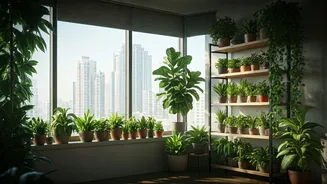
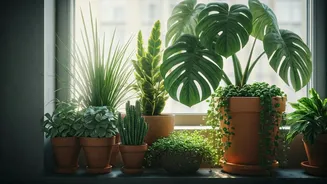
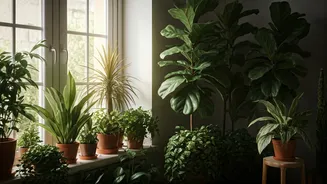
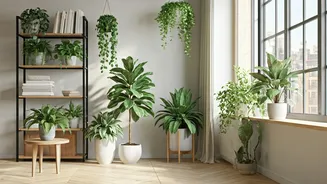
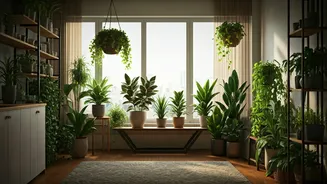
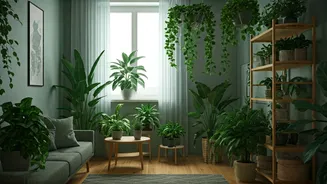
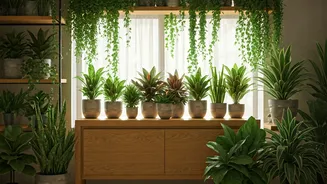
urbanites to seek refuge in a surprisingly simple solution: houseplants. The trend of biophilic design, which focuses on connecting people with nature in built environments, is more than just an aesthetic choice; it’s a response to a deep, innate need to be around living things. For many living in apartments, a pot of green is the closest they can get to a garden, offering a visual and psychological break from the endless expanse of concrete and glass.
More Than Just Decoration
The benefits of bringing plants indoors extend far beyond their decorative appeal. Scientific studies have shown that the presence of indoor plants can have a tangible impact on our well-being. They can help reduce physiological and psychological stress by lowering cortisol levels, the body's main stress hormone. This calming effect can lead to a lower heart rate and blood pressure, creating a more relaxed home environment. Furthermore, plants are known to be natural air purifiers. Research, including famous studies by NASA, has shown that common houseplants can absorb indoor pollutants like formaldehyde and benzene, which are often emitted by furniture, cleaning products, and paints. While you'd need a dense indoor jungle to replicate lab conditions, having plants around does contribute to cleaner, fresher air. Some plants, like the Snake Plant, even release oxygen at night, making them excellent companions for the bedroom.
Your First Green Companions
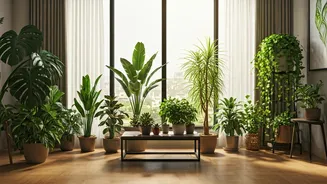
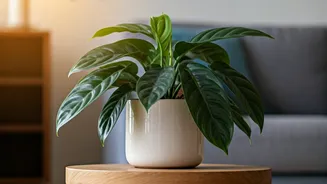
The thought of keeping a plant alive might seem daunting, especially for beginners. The good news is that many popular houseplants are incredibly resilient and well-suited to the Indian climate and typical apartment conditions. For those starting their journey, it's best to begin with low-maintenance options that forgive a little neglect. The Money Plant (Pothos), a favourite in many Indian households, is incredibly easy to grow in both soil and water and tolerates a wide range of light conditions. The Snake Plant is another nearly indestructible choice, thriving on infrequent watering and in low light. Similarly, the ZZ Plant is perfect for busy homeowners, as it can survive neglect and low light with ease. Other great options for beginners include the hardy Spider Plant, the elegant Peace Lily, and the popular Areca Palm, all of which are known for their air-purifying qualities and ability to adapt to indoor environments.
The Mindful Ritual of Care
Beyond the passive benefits, the very act of caring for a plant can be a form of mindfulness. In a world of instant digital gratification, nurturing a living thing offers a different, slower kind of reward. The simple rituals of watering, checking the leaves for new growth, and pruning can become a meditative practice. It encourages you to slow down, observe, and be present in the moment. This connection to a living organism provides a sense of purpose and accomplishment. Watching a plant thrive under your care is a deeply rewarding experience that can boost your mood and foster a greater appreciation for the natural world. This active engagement with nature, even on a small scale, has been shown to reduce anxiety and enhance feelings of well-being.