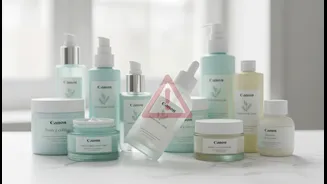




The Alarming Discovery in Maharashtra
In early July 2026, the Maharashtra Food and Drug Administration (FDA) issued an urgent public health warning, ordering an immediate recall of three skin-lightening creams. Laboratory tests on 'Goree Beauty Cream', 'Face Fresh Gold', and 'Golden Star
Beauty Cream' revealed they contained dangerously high levels of mercury and lead, far beyond permissible limits. The use of such products can lead to severe health consequences, including damage to the kidneys and nervous system. Compounding the danger, these products were being sold without mandatory information like manufacturer details, batch numbers, or expiry dates, making them untraceable and a clear violation of India's cosmetic regulations. This incident, stemming from complaints and seizures in places like Nagpur and Mumbai, pulled back the curtain on a hazardous and unregulated segment of the beauty market.
More Than Skin Deep: The Health Risks
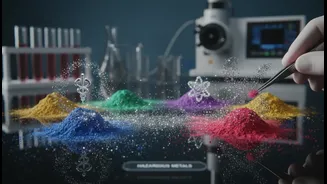
The threat posed by counterfeit and unregulated cosmetics is not merely about skin irritation. The ingredients found in these illegal products can be potent toxins. Mercury, often used for skin lightening, is a notorious neurotoxin. Prolonged exposure can cause severe damage to the kidneys and nervous system. Lead, another heavy metal detected, is also highly toxic and can cause long-term health problems. The issue is widespread, with fake products often containing a cocktail of harmful substances, including industrial dyes, arsenic, and high levels of bacteria due to unsanitary manufacturing conditions. These substances can cause severe allergic reactions, permanent skin damage, and systemic health issues that go far beyond a bad rash.
A Problem That Crosses State Lines
While the latest alert came from Maharashtra, the problem is a national crisis. India's beauty market is one of the fastest-growing in the world, but this boom has been accompanied by a surge in counterfeit goods. Experts estimate that as much as 25-30% of fast-moving consumer goods sold in Indian markets could be fake. These products easily cross state borders, distributed through a complex web of small shops, street vendors, and increasingly, online marketplaces. E-commerce platforms and social media sellers have made it easier for consumers to access a wide range of products, but they have also become major channels for the distribution of fakes that perfectly mimic the packaging of popular brands.
Cracks in the Regulatory Armour
India regulates cosmetics under the Drugs and Cosmetics Act of 1940 and the newer Cosmetics Rules, 2020. These laws set standards for manufacturing, labelling, and importing products, and they prohibit harmful ingredients like mercury and lead compounds. However, the challenge lies in enforcement. The sheer scale of the market, coupled with the rise of unverified online sellers, makes it difficult for regulators like the Central Drugs Standard Control Organization (CDSCO) and state FDAs to monitor every product. The recent seizures in Maharashtra, which also uncovered unlicensed manufacturing and products with misleading claims, show that while authorities are cracking down, many dangerous products still slip through the net and reach consumers.
How to Protect Yourself as a Consumer
In a market with clear risks, consumer vigilance is the first line of defence. Always buy cosmetic products from the brand's official website or authorised retailers. Be wary of prices that seem too good to be true; deep discounts on premium products are a major red flag. Before buying, inspect the packaging carefully for spelling errors, poor-quality printing, or differences in font and colour when compared to the genuine product. Check for mandatory information: a batch number, manufacturing and expiry dates, and the manufacturer's address. Many brands are now using secure QR codes that you can scan to verify authenticity. If a product's seal is broken, or its smell and texture seem off, do not use it.