







The Search for Authentic Experiences
For a growing number of Indian travellers, the joy of discovery is replacing the pressure of a checklist. The modern tourist is no longer content with just visiting famous landmarks; they want to immerse themselves in the local culture. This has given
rise to 'experiential travel,' a trend focused on creating a deeper connection with the people, culture, and landscape of a destination. Instead of just seeing the sights, travellers are learning how locals live, celebrating their festivals, and trying traditional foods. This move away from tourist traps is driven by a desire for stories and experiences that feel personal and unique, a clear departure from the one-size-fits-all package tour.
Why the Shift is Happening Now
Several factors are fuelling this change. The post-pandemic world has left travellers with a preference for less crowded spaces and a greater appreciation for travel as an essential experience, not just a luxury. The rise of social media also plays a complex role; while it can create overcrowding at "Instagram-worthy" spots, it also allows users to discover and share hidden gems far from the beaten path. Furthermore, rising disposable incomes, especially in Tier 2 and Tier 3 cities, and the accessibility of online travel platforms have empowered a new generation of travellers. This group, dominated by younger millennials and Gen Z, is more independent, often planning their own trips to align with personal interests rather than opting for pre-set itineraries.
The New Travel Map of India
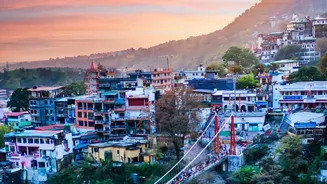
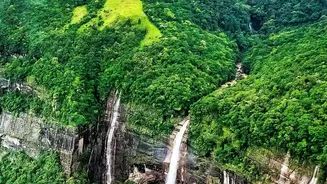
This trend is redrawing the travel map. While Shimla and Manali once dominated Himalayan travel, people are now exploring quieter destinations like the Spiti Valley in Himachal Pradesh or Shitlakhet and Munsiyari in Uttarakhand. Similarly, the rush to Goa's beaches is being balanced by trips to the tranquil shores of Gokarna in Karnataka. The Northeast has seen a massive surge in interest, with states like Meghalaya and Arunachal Pradesh's Ziro Valley becoming popular for their pristine landscapes and distinct cultural experiences. These secondary destinations offer a sense of discovery and adventure that is becoming the new currency of travel. Industry data reflects this, with searches for Goa reportedly declining while interest in the Northeast has skyrocketed.
A More Sustainable Future for Tourism
This shift isn't just a win for adventurous travellers; it's a positive development for sustainable tourism. Overtourism in popular spots has led to environmental strain, pressure on local infrastructure, and a diminished experience for visitors. By exploring lesser-known regions, travellers help distribute tourism revenue more evenly, supporting local economies and community-led conservation efforts. Many of these emerging destinations are anchored by homestays and local guides, ensuring that the economic benefits stay within the community. A significant majority of Indian travellers have expressed a desire to travel more sustainably, and choosing offbeat destinations is a direct reflection of this growing consciousness.