





The Old Rules of Rain
Remember the traditional travel calendar? Summer holidays were for the hills, winter for the beaches and deserts. The monsoon, however, was a void. It was the season of cancelled flights, flooded roads, and advice to simply stay put. For the travel and hospitality
industry, it meant a dip in business, with many destinations in regions like Goa or the Himalayas effectively shutting down for months. Tourists feared landslides, unpredictable weather, and the sheer inconvenience of being drenched. Travel was something you did in spite of the rain, not because of it. This mindset was deeply ingrained, painting the monsoon as a time of hibernation, not exploration.
A Shift in the Weather Vane
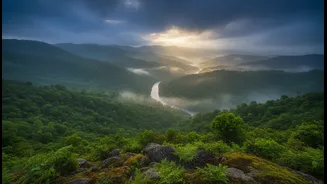
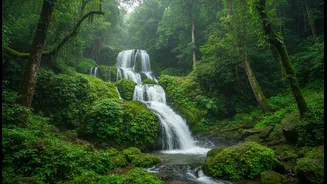
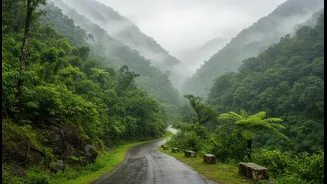
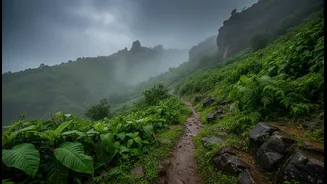
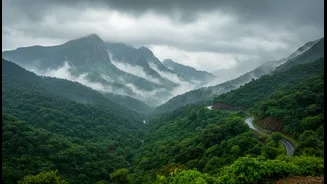
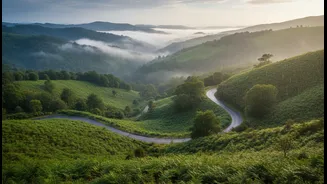
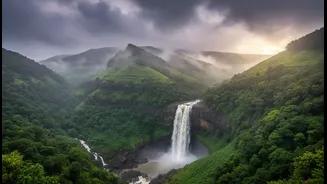
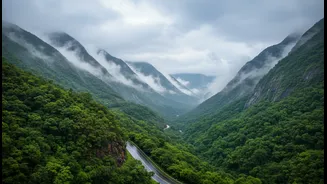
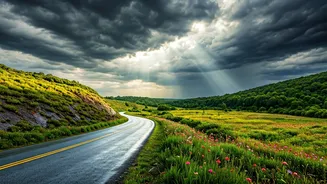
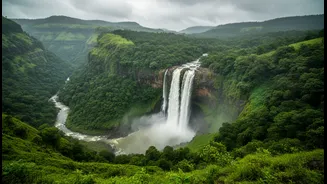
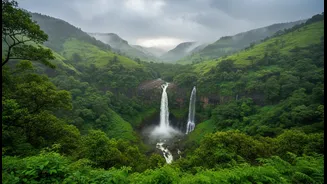
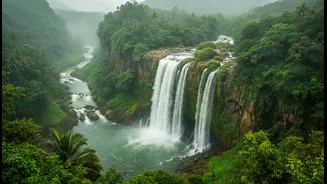
That long-held perception is rapidly changing. A new generation of Indian travellers is not just tolerating the monsoon but actively embracing it. The hashtag #MonsoonTravel now floods social media with images of misty mountains, lush green paddy fields, and travellers sipping chai while watching the downpour from a cosy balcony. What was once seen as an impediment is now the main attraction. This isn't just about a few adventurous souls; it's a fundamental shift in travel psychology. The romance of the rains, once confined to poetry and Bollywood, has become a tangible, marketable travel experience. People are seeking out the very atmosphere they once sought to avoid.
The Forces Driving the Deluge
Several factors are fuelling this change. Firstly, climate change is making Indian summers hotter and more unbearable, pushing the traditional vacation window. The monsoon offers a welcome, cool respite. Secondly, post-pandemic 'revenge travel' has led to overcrowding and soaring prices during peak seasons. The monsoon provides a quieter, more affordable alternative. The rise of remote work is another massive driver. The 'workation' trend allows professionals to escape the city for extended periods. A tranquil, rain-soaked destination is perfect for combining deep work with weekend exploration, free from the constraints of a two-week annual leave. The economics are simple: flights and hotels are often 30-50% cheaper, making travel more accessible for everyone.
Redrawing India's Travel Map
This trend is revitalising destinations and creating new ones. Kerala has long been a monsoon favourite, but now the appeal has broadened. The Konkan Coast in Maharashtra, with its stunning sea-facing forts and verdant landscapes, is emerging as a prime driving destination. In Rajasthan, cities like Udaipur and Bundi, where the rain fills the lakes and washes the palaces clean, offer a completely different, magical experience compared to their dry, dusty winters. Even Himalayan states, once considered no-go zones, are carefully marketing 'safe' monsoon treks and wellness retreats that focus on indoor activities, yoga, and enjoying the misty vistas. The focus is shifting from 'seeing' to 'being'—soaking in the atmosphere rather than ticking off a list of sights.
The Conscious Traveller's Season
This new love for monsoon travel also aligns with a growing desire for slower, more sustainable tourism. Peak-season travel often puts immense strain on local resources. Off-season travel, by contrast, helps distribute tourist traffic more evenly throughout the year, providing a more stable income for local communities. Travellers are becoming more mindful, preferring to support small, local homestays and eateries that remain open during the rains. It’s a form of tourism that feels less extractive and more immersive. It’s about finding joy in simple pleasures: the smell of wet earth (petrichor), the taste of hot pakoras, and the sound of rain on a tin roof. It represents a maturation of the Indian traveller, who is now seeking authentic experiences over packaged perfection.