

The Core: Backpack and Waterproofing
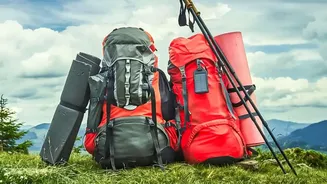
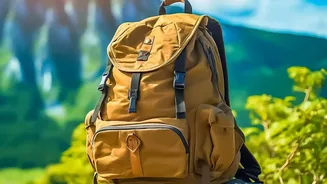
Your backpack is your lifeline on the trail. For most weekend treks in the Western Ghats, a 35-45 litre pack is ideal. More important than the size is its water resistance. Start with a pack that has a water-repellent coating and, crucially, a dedicated
rain cover that fits snugly. However, experienced trekkers know that a single cover isn't foolproof in a relentless downpour. The real secret is internal waterproofing. Use dry bags or, as a budget-friendly alternative, thick plastic bags to compartmentalise and protect everything inside—especially your spare clothes and electronics. This double-layer system ensures your critical gear stays dry even if your main pack gets damp.
Essential Clothing and Footwear
The golden rule of monsoon trekking is to avoid cotton at all costs. Cotton absorbs moisture and takes ages to dry, leading to chafing and discomfort. Opt for quick-drying synthetic materials like polyester or nylon for your t-shirts and trekking pants. Always pack at least one complete set of dry clothes in a sealed bag for your campsite. For rainwear, a poncho often beats a two-piece rain suit. It offers better ventilation in the humid climate and can be thrown over both you and your backpack quickly. Your choice of footwear is perhaps the most critical decision. The volcanic basalt rock of the Ghats becomes extremely slippery when wet. Choose trekking shoes with deep, aggressive lugs for superior grip. While fully waterproof boots seem logical, many veterans prefer water-resistant, quick-draining shoes paired with waterproof socks, as water inevitably gets in from the top during heavy rain.
The Inevitable: Health and Leech Protection
Leeches are a fact of life on monsoon trails in the Western Ghats. While their bite is harmless and usually painless, it can be unnerving. The best defence is prevention. Wear full-length trousers and tuck them into your socks. Anti-leech socks, which extend to your knees, are a worthwhile investment. Some trekkers also apply repellents, salt, or tobacco leaf mixtures, though their effectiveness can vary. Your first-aid kit should be comprehensive. Include antiseptic wipes for cleaning leech bites after they drop off, band-aids, blister tape, pain relievers, and any personal medications. Also, pack a powerful insect repellent to ward off mosquitoes and other bugs.
Gadgets and Navigational Aids
Even on familiar trails, the monsoon mist can reduce visibility drastically. A reliable headlamp with extra batteries is non-negotiable, as you might find yourself trekking after dusk. Keep your phone, power bank, and any camera equipment in waterproof cases or multiple layers of sealed plastic bags. A power bank is essential as cold, damp conditions can drain batteries faster. While mobile networks can be unreliable, offline maps are a useful backup. A simple whistle is a lightweight, low-tech safety device that is crucial for attracting attention in an emergency.
Miscellaneous Must-Haves
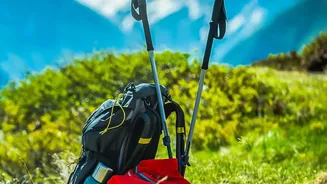
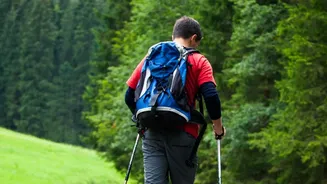
A few small items can make a huge difference. Carry at least two litres of water, and consider adding an electrolyte powder to replenish salts lost through sweat. High-energy snacks like nuts, energy bars, and dates are perfect for maintaining your energy levels on the go. A quick-dry towel is far more practical than a regular cotton one. Trekking poles are highly recommended; they provide two extra points of contact, which is invaluable for stability on slippery descents and during stream crossings. Finally, pack a small plastic bag to carry out your own trash and any other litter you may find, leaving the beautiful trails cleaner than you found them.