





The Daily Hydration Challenge
We all know we should drink more water. Proper hydration is fundamental to our well-being, impacting everything from energy levels and cognitive function to skin health and digestion. When we're well-hydrated, our bodies can regulate temperature, absorb
nutrients, and flush out toxins more efficiently. Yet, many people find plain water unexciting, which leads them to beverages like traditional masala chai or coffee. While comforting and energising, these drinks often contain caffeine, which has long been debated for its role in hydration.
Rethinking Caffeinated Drinks
Caffeine is a natural diuretic, meaning it can cause the body to produce more urine. This has led to a common belief that caffeinated drinks like black tea and coffee are dehydrating. However, recent research suggests that in moderate amounts—typically under 300-400mg per day (roughly 3-4 cups of coffee or many more cups of tea)—the diuretic effect is mild and doesn't lead to dehydration for regular consumers. The fluid in the beverage itself largely balances out any minor water loss. That said, relying solely on caffeinated drinks isn't ideal for everyone, especially those sensitive to caffeine or those who want to hydrate in the evening without disrupting sleep. This is where botanical infusions shine.
The Botanical Advantage
Botanical infusions, often called herbal teas or tisanes, are naturally caffeine-free beverages made by steeping herbs, spices, flowers, or fruits in hot water. Because they are almost entirely water, they hydrate just as effectively as plain water. Their main advantage lies in making hydration more enjoyable. With a wide range of flavours from zesty and spicy to floral and soothing, they offer a sensory experience that plain water lacks. Furthermore, these infusions carry the beneficial properties of the plants they are made from, providing antioxidants and other nourishing compounds.
Easy Homemade Infusions to Try
Creating your own botanical drinks at home is incredibly simple. You can use fresh or dried ingredients, and the combinations are nearly endless. Here are a few ideas rooted in ingredients commonly found in Indian kitchens:
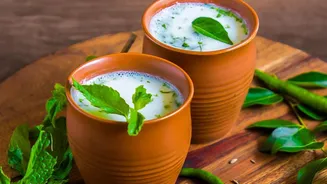
Soothing Tulsi and Ginger: Revered in Ayurveda, Tulsi (Holy Basil) is known for its stress-relieving properties, while ginger is celebrated for aiding digestion. Combining a handful of fresh Tulsi leaves and a few slices of ginger in hot water creates a calming, aromatic drink that supports overall wellness.
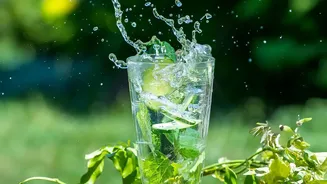
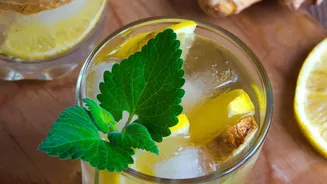
Refreshing Mint and Lemon: The cooling properties of Pudina (mint) combined with the vitamin C boost from a squeeze of lemon make for a classic revitalising drink. It's perfect for a hot afternoon or to soothe an upset stomach.
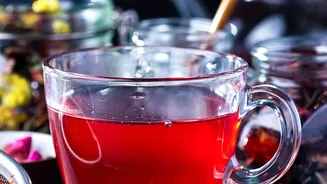
* Vibrant Hibiscus (Gudhal): Hibiscus flowers produce a stunning, ruby red infusion with a tart, cranberry like flavour. It's enjoyed both hot and cold and is celebrated for being rich in antioxidants. It's a wonderfully refreshing way to meet your daily fluid goals.
Tips for the Perfect Brew
To get the most out of your homemade botanical drinks, keep a few things in mind. When using fresh, delicate herbs like mint or Tulsi, it's best to pour hot (not boiling) water over them and steep for 5–10 minutes. For tougher ingredients like ginger root or dried spices, you can simmer them gently on the stove for 10–15 minutes to extract more flavour. Don't be afraid to experiment. Add a stick of cinnamon, a few cloves, or a pod of cardamom to your brew for extra warmth and complexity. For a touch of sweetness, a small amount of honey or jaggery works beautifully, but try sipping it plain first to appreciate the natural flavours.