





Your Pocket Planetarium
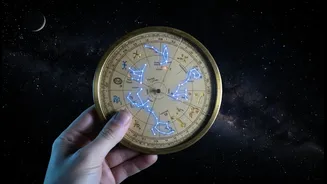
The core magic of modern astronomy apps is augmented reality (AR). Apps like SkyView, Star Walk 2, and Stellarium Mobile use your phone's built-in compass, GPS, and gyroscope. You simply point your phone at the sky, and the app displays a real-time map
of what you're looking at, overlaying labels for stars, planets, and constellations. This instantly removes the guesswork. What was once a confusing field of bright dots becomes a labelled chart. Many apps even work offline, making them perfect for camping or areas with poor reception.
From 'What's That?' to 'That's Jupiter!'
The most basic and powerful feature is instant identification. That unusually bright, non-twinkling 'star' you've been watching? Point your phone, and the app will likely identify it as Jupiter or Venus. Apps allow you to tap on any object to get more information. You can learn a star's name, its distance from Earth, and its brightness. Many apps also feature beautiful artwork that draws the constellation shapes over the stars, helping you finally 'see' the lion in Leo or the hunter in Orion.
Never Miss a Celestial Event
Beyond simple identification, these apps are powerful tools for planning. Most include a calendar of celestial events tailored to your location. You can get notifications for upcoming meteor showers, lunar eclipses, or when the International Space Station (ISS) will be visible overhead. Features like 'Tonight's Best' or 'Visible Tonight' in apps like SkySafari and Star Walk 2 give you a curated list of the most interesting things to look for on any given night. Some apps also have a 'Time Travel' feature, letting you scroll forward or backward in time to see how the sky will look on a future date or how it looked in the past.
Learning the Lore and Science
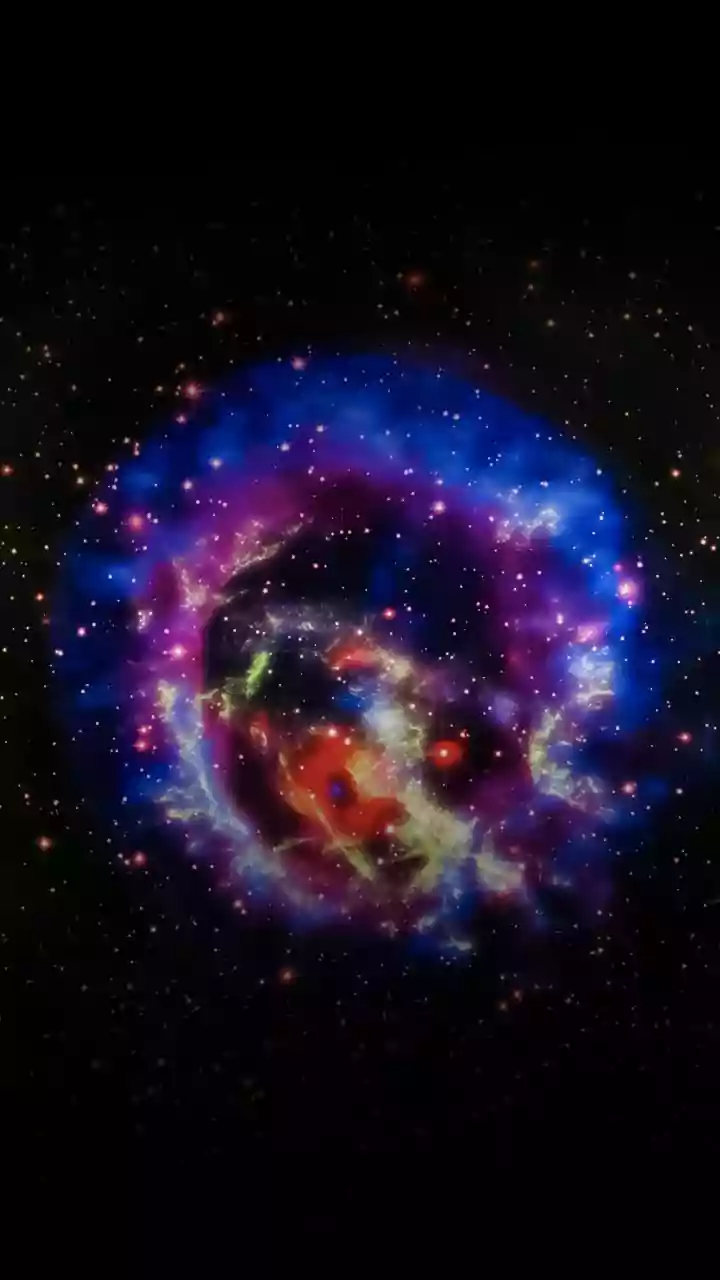
Once you've identified a constellation, the journey is just beginning. Most quality astronomy apps offer a wealth of information behind each tap. You can read about the mythology behind the constellations, the science of a distant nebula, or the history of a satellite's mission. This transforms stargazing from a simple pointing exercise into a rich learning experience. You’re not just seeing stars; you're connecting with centuries of human curiosity, science, and storytelling.
Choosing Your First Guide
For absolute beginners, free apps like SkyView Lite or the basic version of Star Walk 2 are excellent starting points. They are intuitive and provide the core AR features without overwhelming you. Many apps offer generous free versions, with paid tiers that add larger star catalogues or features for serious hobbyists, like telescope control. The best approach is to download a free, well-reviewed app and simply start exploring. You can always upgrade or try another as your interest grows.