







What Is ‘Monsoon Nutrition’ Anyway?
While Americans might associate the word “monsoon” with torrential rains in South Asia, many parts of the U.S. experience their own version: a period of high humidity, frequent thunderstorms, and dampness, especially in late summer and early fall. Think
of the muggy dog days of August on the East Coast or the stormy season in the Southwest. In traditional wellness systems like Ayurveda, this time of year is believed to weaken our “digestive fire,” making us more susceptible to sluggishness, bloating, and low energy. The idea behind monsoon nutrition isn't about a strict diet; it's about shifting to foods that are easier for your body to process during this damp, heavy season. It’s about working with nature, not against it, using simple ingredients you already know.
Go Warm and Light
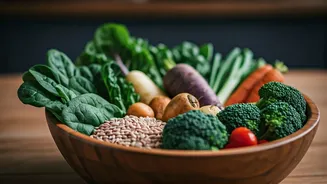
During hot, dry summer days, a crisp, cold salad feels like the perfect meal. But when the air gets heavy and humid, your digestive system can benefit from a change. Traditional wisdom suggests switching from raw, cold foods to warm, cooked meals. Think light vegetable soups, steamed zucchini and squash, or a simple lentil stew. Cooking foods makes them easier to break down, giving your digestive system a much-needed break. This doesn’t mean abandoning vegetables; it just means enjoying them in a different form. A warm bowl of roasted root vegetables with a pinch of spice is more aligned with the season's needs than a bowl of raw kale and iced water.
Spice Things Up (Gently)
This is where your spice rack becomes your best friend—no fancy tinctures needed. Common kitchen spices are celebrated in monsoon-season eating for their ability to support digestion. Ginger is a superstar here; a small piece steeped in hot water can help soothe an unsettled stomach and combat that sluggish feeling. Turmeric, known for its anti-inflammatory properties, is another excellent addition to soups and curries. A pinch of black pepper, cumin, or fennel in your cooking not only adds flavor but can also aid digestion and prevent the bloating that humidity sometimes encourages. It’s about using what you have to create flavorful, functional meals.
Hydrate with Warmth
It sounds counterintuitive to drink something warm when it’s still hot and sticky outside, but hear this one out. Guzzling ice-cold water can be a shock to the system and is thought to further dampen the digestive fire. Instead, try sipping on warm or room-temperature water throughout the day. Herbal teas are another fantastic option. Peppermint, chamomile, and ginger tea are all excellent choices that hydrate you while providing gentle digestive support. This simple switch can make a surprising difference in how you feel, reducing that heavy, water-logged sensation that often comes with high humidity.
Choose Your Produce Wisely
Not all vegetables are created equal when it comes to monsoon eating. While leafy greens like spinach and kale are nutritional powerhouses, traditional advice suggests they can be harder to digest raw during this season and may be more prone to spoilage in damp conditions. Instead, focus on seasonal gourds like zucchini, yellow squash, and early-season pumpkins. These are typically light, easy to cook, and gentle on the stomach. Other great choices include beets, carrots, and sweet potatoes, especially when roasted or steamed. For fruit, opt for seasonal, lighter choices like apples, pears, and pomegranates over extremely watery melons. It's about choosing foods that feel nourishing, not heavy.