



From Dread to Desirable
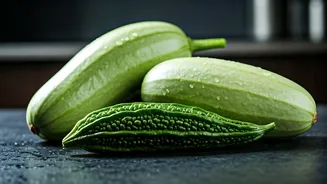
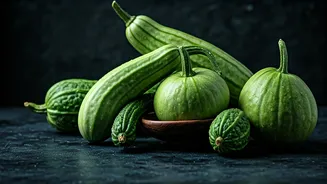
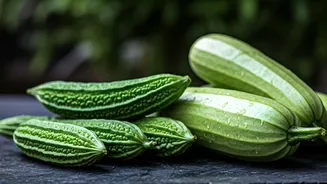
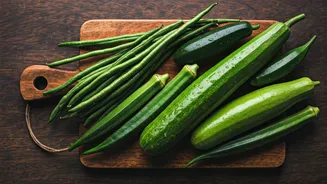
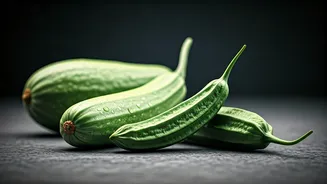
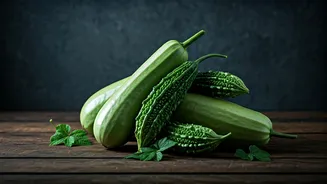
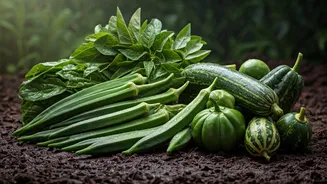
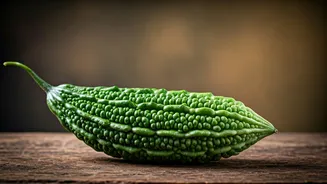
For generations, lauki (bottle gourd) and karela (bitter gourd) have been the undisputed villains of the Indian dinner table for many. Lauki was dismissed as bland and watery, a food for the convalescing. Karela, with its aggressive bitterness, was a taste
many simply refused to acquire. They were the vegetables our mothers insisted were “good for us,” a phrase that often signals the end of culinary enjoyment. Yet, in a surprising turn of events, these very vegetables are shedding their formidable reputations. They are appearing on trendy restaurant menus, flooding social media feeds in glamorous new avatars, and being championed by wellness influencers. This isn't just a seasonal return; it's a full-blown comeback, a culinary redemption story for the ages.
The Glow-Up of Lauki
The primary complaint against lauki has always been its perceived lack of personality. Its subtle, almost neutral flavour profile made it an easy target for ridicule. But what was once a weakness is now its greatest strength. Chefs and modern home cooks are treating lauki not as a boring main event, but as a versatile, absorbent canvas. Its high water content (over 90%) makes it incredibly hydrating, low in calories, and easy to digest—a triple win in today's health-conscious world. Forget the mushy, overcooked sabzi of yesteryear. Today’s lauki is being spiralized into ‘loodles’ for low-carb pastas, blended into cooling, mint-infused juices, and grated into flavourful koftas that swim in rich, creamy gravies. Its ability to soak up spices means it can be the star of a fiery thepla or a comforting dal. The humble gourd has finally found its groove.
Embracing Karela's Bitter Charm
Karela’s journey is even more remarkable because its primary challenge—its bitterness—is non-negotiable. But instead of hiding it, the new approach is to celebrate and balance it. Nutritionists and Ayurvedic practitioners have long praised karela for its potent health benefits, particularly its ability to help regulate blood sugar levels, making it a superfood for diabetics. The modern kitchen has taken this wisdom and run with it, finding ingenious ways to make the bitterness palatable and even enjoyable. The secret lies in technique. Thinly sliced and air-fried into crispy, addictive chips seasoned with chaat masala, it's a guilt-free snack. Stuffed with a tangy mixture of onions, fennel, and raw mango, its bitterness is beautifully offset. In South Indian cuisine, it’s often stir-fried with coconut and jaggery, creating a complex play of bitter, sweet, and savoury. The lesson is clear: don't fight the bitterness, dance with it.
Why This Comeback, and Why Now?
This vegetable renaissance isn't happening in a vacuum. It’s part of a larger cultural shift towards wellness, sustainability, and a 'back-to-roots' food philosophy. As consumers become more aware of the benefits of eating local, seasonal produce, forgotten heroes like lauki and karela are being re-examined. They are inexpensive, widely available, and packed with nutrients that are perfectly suited to the Indian climate and physiology. The wellness movement has repositioned them from being ‘poor man’s food’ to ‘smart man’s food.’ Social media has also played a pivotal role. A beautifully shot photo of a stuffed karela or a vibrant lauki juice can do more to change public perception than a thousand lectures on health ever could. It makes eating your veggies look aspirational.