



The Philosophy of Purity
The diet observed during Shravan is fundamentally 'Sattvic', a concept rooted in Ayurveda that promotes pure, simple, and easily digestible foods. The goal is to calm the mind and lighten the load on the digestive system, which is believed to be weaker
during the monsoon months. This means abstaining from 'Tamasic' and 'Rajasic' foods. Tamasic items like onion, garlic, non-vegetarian food, and alcohol are avoided because they are thought to create heaviness and dullness. Similarly, overly spicy or pungent foods are set aside in favour of meals that are soothing and balanced. Regular table salt is also replaced with sendha namak, or rock salt, which is considered a purer, unprocessed alternative that helps maintain the body's electrolyte balance during fasts.
A Celebration of Freshness
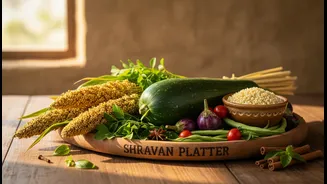
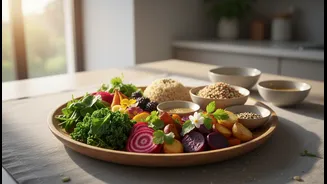
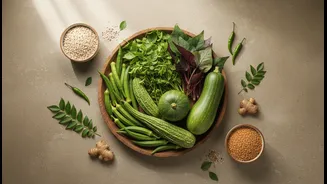
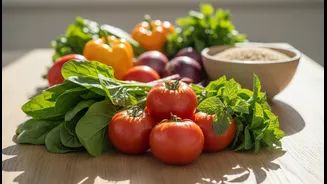
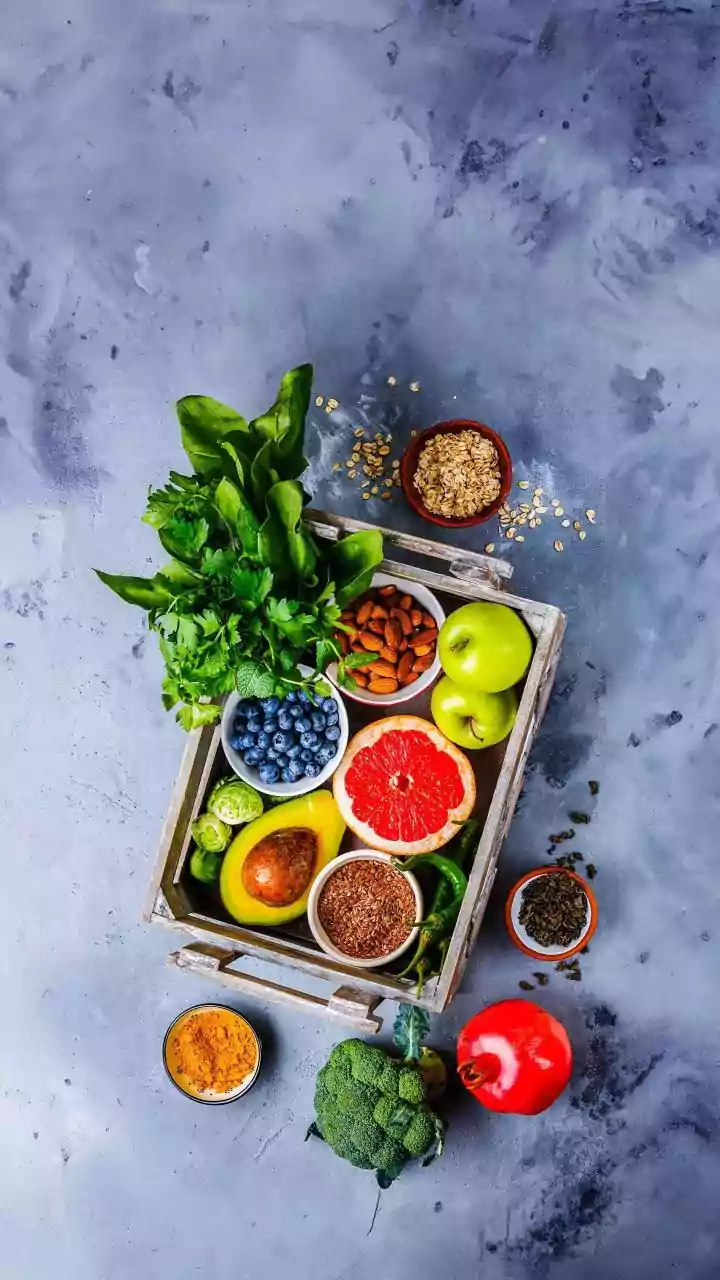
A Shravan plate is a vibrant showcase of seasonal produce. Fresh fruits are a cornerstone, providing natural sugars for energy, essential vitamins, and hydration. Bananas, apples, and pomegranates are popular choices. Vegetables that are easy to digest, such as bottle gourd (lauki), potato, sweet potato, and pumpkin, form the base of many meals. These are often prepared in simple curries or stir-fries, seasoned with mild spices like cumin and green chilli instead of heavy masalas. This focus on fresh, seasonal ingredients ensures that the body receives a wide spectrum of nutrients while aligning with the natural rhythms of the season.
The Pillars of Nutrition
While regular grains like wheat and rice are often avoided, the Shravan diet introduces a variety of nutrient-dense alternatives. Flours made from buckwheat (kuttu), amaranth (rajgira), and water chestnut (singhara) become staples. These are gluten-free, rich in protein and fibre, and provide sustained energy. Sabudana, or tapioca pearls, is another fasting favourite, prized for its carbohydrate content that provides a quick energy boost. It is used to make beloved dishes like sabudana khichdi and vada. Dairy products such as milk, yogurt, and paneer are also integral, offering a good source of protein and calcium to keep you full and nourished. Toasted nuts and seeds like almonds, walnuts, and peanuts are included as healthy snacks, packed with energy and essential fats.
Crafting Your Wholesome Meal
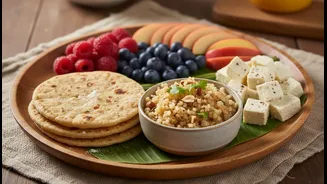
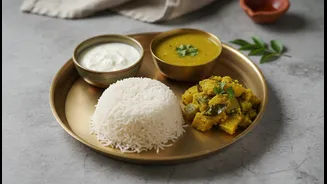
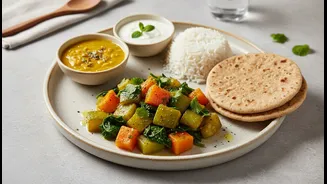
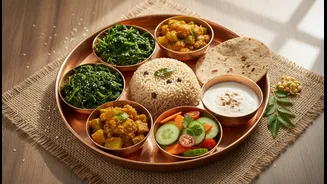
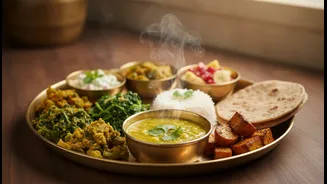
Putting together a balanced Shravan plate is an exercise in mindful combination. A typical meal might feature puris or rotis made from kuttu or rajgira flour, paired with a simple potato curry seasoned with rock salt and cumin. Another popular and fulfilling option is samak rice (barnyard millet) pulao, cooked with peanuts and mild spices. Sabudana khichdi, studded with roasted peanuts and chunks of potato, is a classic one-dish meal that is both comforting and energising. For a lighter meal or snack, a bowl of fresh fruit chaat or roasted makhana (fox nuts) is an excellent choice. These meals are not just about following rules; they are about creating dishes that are satisfying, delicious, and easy on the system.