





Decoding The 42% Milestone
August 2026 marked a watershed moment for India's auto industry. Combined, vehicles powered by Compressed Natural Gas (CNG), hybrids, and electricity accounted for 42% of all passenger cars sold, edging past petrol's share of 41%. This isn't a slow, gradual
change; just one year prior, petrol's share was a more dominant 46%. The undisputed heavyweight in this new coalition is CNG, which claimed a record-high 25% of all sales. Electric vehicles (EVs) followed, making up 7.7% of sales, a significant jump from 5.9% the previous year. The remaining share was taken by hybrid vehicles. This data signals that Indian buyers are no longer just considering alternatives to petrol and diesel—they are actively buying them in record numbers.
The Undeniable Pull of Lower Running Costs
The primary driver behind this seismic shift is simple economics. For the average Indian family, the cost of running a car is a major factor in the purchase decision. With petrol prices remaining high, the per-kilometre cost of alternatives has become too attractive to ignore. A typical petrol car costs over ₹7 per kilometre to run. In stark contrast, a CNG car can cover the same distance for around ₹2.62. The savings with electric vehicles are even more dramatic, with home-charged EVs costing as little as ₹1.14 per kilometre. While strong hybrids don't offer the same level of savings, they still provide a significant efficiency boost over their petrol-only counterparts, bringing running costs down to around ₹4 per kilometre. As awareness of these long-term savings grows, more buyers are concluding that the slightly higher initial cost of a cleaner powertrain is a smart investment.
A Nudge from the Government
Government policies have been instrumental in preparing the ground for this transition. While direct subsidies for private electric cars under central schemes like PM E-DRIVE (the successor to FAME-II) have been phased out, the broader policy framework continues to encourage adoption. The biggest financial benefits now come from significantly lower GST rates—5% on EVs and their chargers, compared to 28% or more on petrol cars. Furthermore, many states offer waivers on road tax and registration fees, which can substantially reduce the on-road price of an EV. For those taking loans, a tax deduction of up to ₹1.5 lakh on interest payments is also available. For CNG, the government's push to expand the network of filling stations has eased availability concerns, making it a more viable option for millions.
More Choices on the Showroom Floor
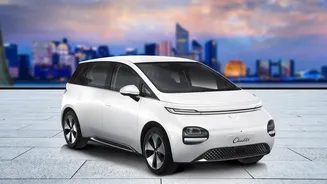
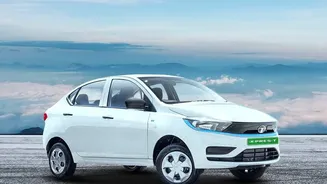
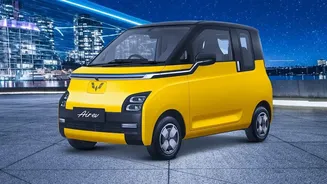
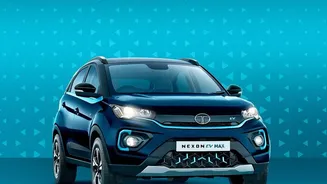
For years, the choice for a buyer looking for a non-petrol car was limited. That has changed dramatically. Today, almost every major manufacturer in India offers a portfolio of cleaner powertrain options. Maruti Suzuki and Tata Motors, for instance, have made CNG versions available across their most popular models, leading to Maruti's 71% dominance in the CNG space. In the EV segment, while Tata Motors holds a leading 43% market share, competition is intensifying with new entrants from Mahindra, MG, and even Maruti Suzuki finally entering the fray. The hybrid space is also heating up with strong offerings from Toyota, Maruti Suzuki, and Honda. This explosion of choice means buyers no longer have to compromise on size, features, or brand to find a vehicle that suits their budget and eco-conscious aspirations.
A Shift in Buyer Mindset
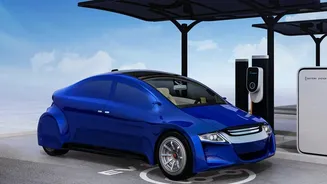
Beyond costs and policies, a fundamental shift in consumer perception is cementing the trend. Initial concerns about the range and charging infrastructure for EVs, while not entirely gone, are diminishing. The growing network of public chargers, now numbering over 67,000 nationwide, has boosted confidence. There's also some evidence that lingering consumer hesitation around the mandatory E20 (20% ethanol-blended) petrol rollout has inadvertently pushed some buyers to consider alternatives they perceive as more stable or reliable. This convergence of financial benefits, wider availability, improving infrastructure, and a growing desire for modern technology suggests that the 42% market share is not an anomaly, but the beginning of a new normal for the Indian automotive market.