







The Coastal Staple
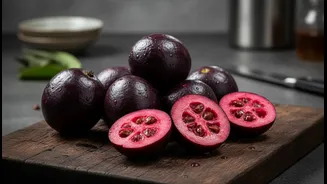
For generations, Garcinia indica, or kokum, has been a cornerstone of Konkan coast cuisine, stretching across Maharashtra, Goa, and Karnataka. It's the soul of solkadhi, a soothing pink drink made with coconut milk, and the preferred souring agent in countless
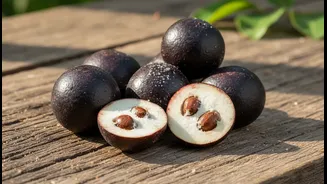
fish curries, providing a unique sweet-sour taste that is less harsh than tamarind. Traditionally, the fruit, which ripens in the summer, is harvested, halved, and dried. This dried rind, known as 'amsul', carries the flavour and a beautiful mauve hue into dishes. Ayurveda values it for its cooling properties, making kokum sherbet a go-to beverage to combat summer heat and aid digestion. Its uses extend beyond the kitchen; kokum butter, extracted from the seeds, is a prized emollient in cosmetics for its healing properties.
The 'Risk' of Reinvention
Despite its deep regional roots, taking kokum mainstream was seen as a challenge. Its flavour profile is potent and distinct, making it tricky to balance in non-traditional recipes. Furthermore, it was largely perceived as a humble, forest-collected ingredient, not a commercial crop, which limited its availability and consistency. The fruit itself is highly perishable, developing issues with fruit flies almost immediately after harvest, which is why most people are more familiar with the dried rind than the fresh fruit. These factors, combined with a lack of broader awareness, meant that for a long time, chefs outside its native region hesitated to experiment with it, viewing it as a commercially risky or niche ingredient.
A Cafe-Culture Calling
Today, that perception is rapidly changing. A new generation of chefs and mixologists in India's bustling cities are championing kokum, drawn to its unique acidic brightness and vibrant colour. In trendy cafes and modern Indian restaurants, kokum is no longer just for solkadhi. It's the star of innovative cocktails, where its tang cuts through spirits, and in refreshing spritzers and iced teas. Chefs are using its juice as a replacement for vinegar in salad dressings and marinades, creating a lighter, fruitier acidity. Powdered kokum rind is being used as a seasoning for chips and bar snacks, adding a zesty kick. This culinary curiosity is introducing a whole new audience to an ingredient they may have only known from their grandmother's kitchen, if at all.
The Bigger Story: A Return to Roots
Kokum's journey into the urban spotlight is part of a larger, more significant movement within Indian food culture: the revival of indigenous ingredients. As global wellness trends lean towards natural, nutrient-dense foods, ancient Indian staples are being rediscovered for their health benefits. Kokum is rich in antioxidants and hydroxycitric acid (HCA), which is studied for its potential anti-obesity effects. This movement is also about sustainability and supporting local economies. By creating demand for a traditionally underutilized crop like kokum, the modern food industry can provide better income opportunities for the rural and tribal communities in the Western Ghats who harvest it. It reflects a growing sense of pride in India's vast and diverse culinary heritage, moving beyond a monolithic idea of "Indian food."