

Understanding the Double Coat
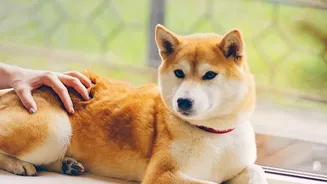
A double coat consists of two layers: a soft, dense undercoat for insulation and longer, coarser guard hairs that form the topcoat. The undercoat is brilliant at trapping air to protect your dog from both cold and heat. However, this same insulating property
means it also traps moisture exceptionally well. While a single-coated dog might air-dry with little issue, a double-coated breed can remain damp at the skin level for hours, even if the topcoat feels dry to the touch.
The Dangers of a Damp Undercoat
Leaving an undercoat wet is more than just a recipe for that lingering “wet dog” smell. The trapped moisture creates a warm, humid environment against your dog's skin, which is a perfect breeding ground for bacteria and yeast. This can lead to a number of painful and irritating conditions. One of the most common is acute moist dermatitis, better known as hot spots. These are red, inflamed, and infected patches of skin that can appear and spread quickly. Furthermore, chronic dampness can contribute to fungal infections, general skin irritation, and painful matting as the wet fur clumps together.
Essential Tools for Drying and Brushing
To tackle a thick undercoat effectively, you need more than just a standard towel. Investing in the right tools will make the process faster, safer, and more comfortable for your dog. A high-velocity dryer is a game-changer; unlike human hairdryers that use high heat, these devices use powerful airflow to blow water out of the coat without risking burns. For brushing, a slicker brush is essential for daily maintenance and detangling the top layer. An undercoat rake is designed specifically to reach deep into the dense fur and remove loose, dead hair that would otherwise get trapped and cause mats. Finally, a metal comb is great for a final check to find any hidden tangles.
A Step-by-Step Drying Guide
First, press the excess water out with an absorbent towel. Avoid vigorous rubbing, which can create tangles and knots. Instead, gently squeeze and blot sections of the coat. Once you've removed as much water as possible with the towel, introduce the high-velocity dryer. Start on the lowest setting and from a distance, allowing your dog to get used to the noise and sensation. Work in sections, always keeping the nozzle moving to prevent concentrating air in one spot for too long. Use one hand to part the fur while you direct the airflow with the other, ensuring you are drying the coat all the way down to the skin. Professional groomers often recommend brushing while you dry to help separate the hair and speed up the process.
Finishing with a Thorough Brush-Out
Once the coat is completely dry, it’s time for a final, thorough brushing. Start with the undercoat rake to pull out any remaining loose fur that the dryer dislodged. Use firm but gentle strokes, working with the grain of the fur. Follow up with the slicker brush to smooth the topcoat and catch any surface hair. This final brushing stage is crucial not only for preventing future mats but also for distributing the natural oils throughout the coat, which keeps it healthy and shiny. A well-brushed coat allows for proper air circulation to the skin, which is vital for your dog's comfort and health.